
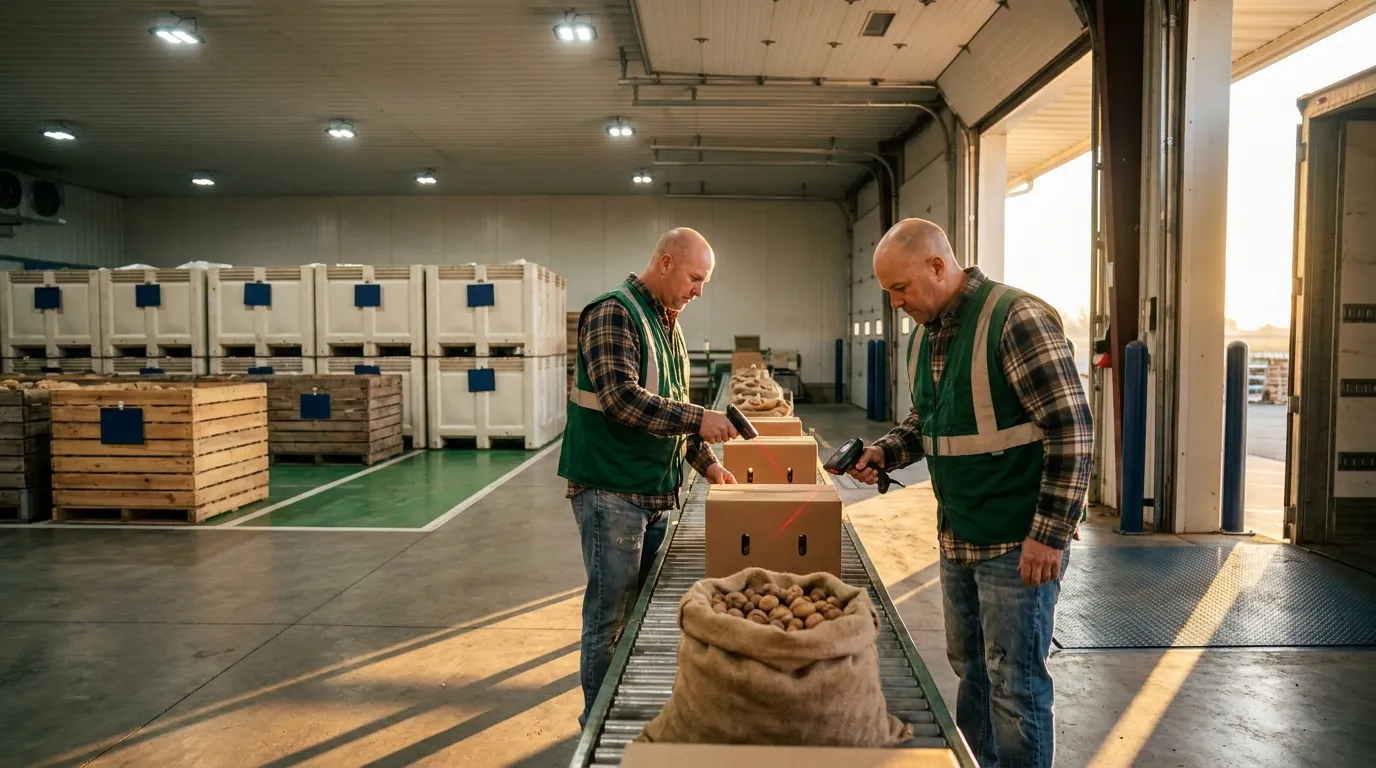
Why Agricultural Accounting Isn't Ordinary Bookkeeping
Most small-business bookkeeping assumes a company buys, sells and collects within a few weeks. Revenue and the expenses behind it land in the same month, so one profit-and-loss statement tells a fairly complete story. Agricultural accounting runs on a different calendar. A grower or rancher may spend for six to eighteen months before a crop or a pen of cattle brings in a dollar. The value being built during that time sits in an orchard block or a feedlot, not on a warehouse shelf.
That gap explains a common complaint from operations still running on generic books or spreadsheets: plenty of numbers, very little insight. The general ledger balances, yet it can't say which blocks earn their keep, which lots lose money, or whether the season was actually profitable or the business simply shuffled cash from one month to the next.
Where Generic Books Break Down on a Farm or Ranch
Four problems surface repeatedly:
- Blended costs. Fertilizer, fuel and labor post to company-wide expense accounts, so every field looks like the average of all of them.
- No visibility by field or lot. Without a cost center (a unit like one orchard block, one planting or one cattle lot that gathers its own costs and revenue), there is nothing to measure one part of the operation against another.
- Seasonal cash swings. Heavy spring and summer outflows followed by harvest inflows make monthly cash-basis profit jump around from one statement to the next.
- Long production cycles. Money spent on a crop that won't sell until next year gets expensed immediately, which understates current results and inflates the following year's.
Generic Bookkeeping vs Agricultural Accounting at a Glance
Here is how the two approaches compare on six points:
- Cost tracking: Generic books post to company-wide expense accounts. Farm books use cost centers by field, crop or lot.
- Accounting basis: A typical small business picks cash or accrual and runs one at a time. A farm maintains both bases concurrently.
- Unit costs: Ordinary ledgers rarely calculate them. Farm records report results per acre, per hundredweight or per head.
- Production costs: Standard practice expenses them when paid. Farm accounting capitalizes them into work in process (WIP) until harvest.
- Inventory: Most businesses track purchased goods for resale. Growers and ranchers track growing crops, harvested commodities, raised and purchased livestock, and inputs on hand.
- Profit view: Generic books produce one P&L for the whole business. Farm books add margin by block, crop and lot alongside the consolidated P&L.
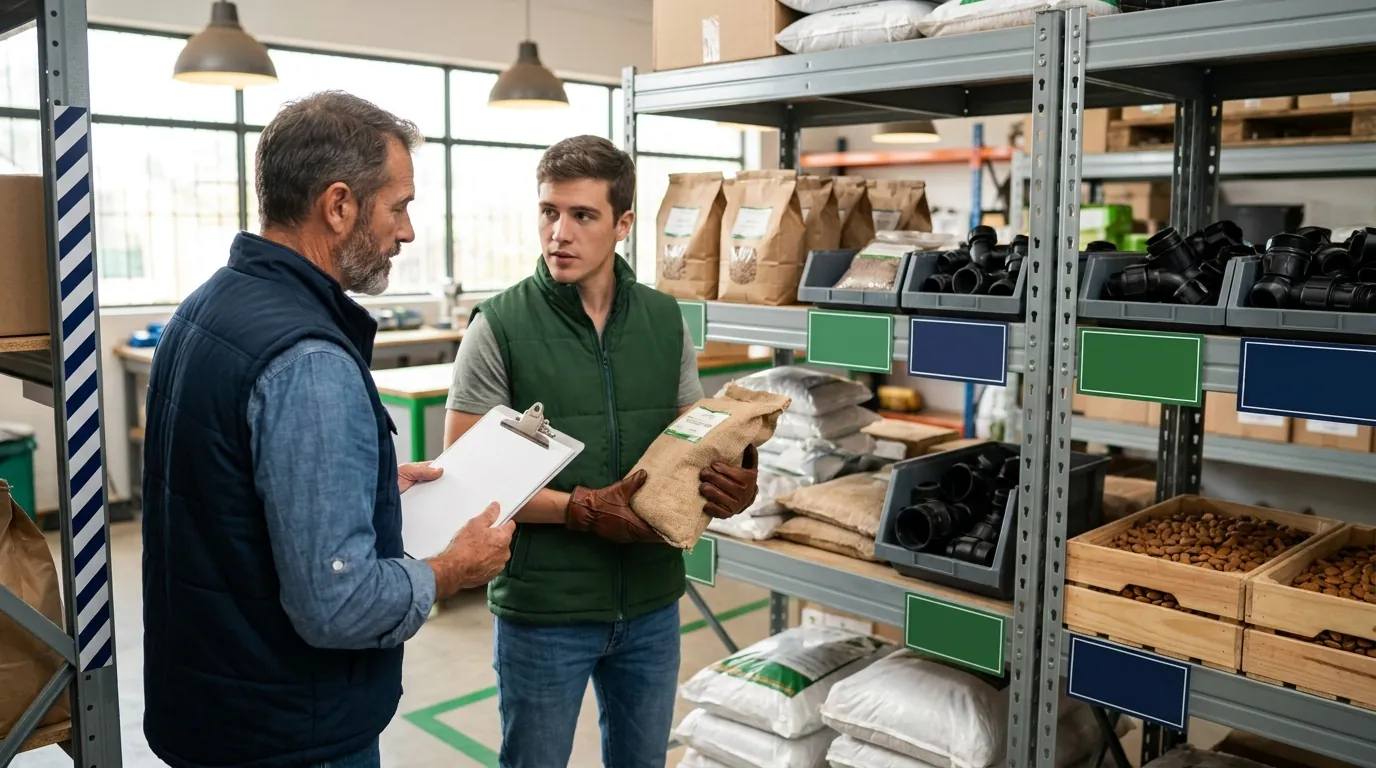
See True Costs with Cost Centers by Field, Crop and Lot
In agricultural accounting, cost work starts with a different question. Instead of asking what the operation spent on fertilizer, ask what each block, field crop or cattle pen consumed. Every input, labor hour and equipment pass is charged to the unit that used it, and that unit's revenue is matched against those charges.
The logic mirrors job order costing, where each job accumulates materials, labor and overhead until it closes. In farming, the "job" is a growing season on a block or the time a lot spends on feed. Costing by activity sharpens the picture by tying costs to the work that drove them (spraying, irrigating, pruning, harvesting, feeding) instead of spreading overhead evenly. The Argos Software farm management system is built around this method, which "allows all costs and revenue to be allocated to a cost center (or job), such as a field, crop, or lot, by the activity involved." Nurseries use the same thinking for benches and crop batches, as our post on how nurseries track production costs explains.
Allocate Inputs, Labor and Equipment by Activity
- Direct inputs: fertilizer, chemicals and seed go to the field named on the application record.
- Labor: crew time sheets are coded to field and activity.
- Equipment: an hourly or per-acre rate covers fuel, repairs and depreciation.
- Shared overhead: office and shop costs are spread by a sensible driver such as acres, hours or head-days.
To see how a driver works, suppose the shop and office cost $40,000 for the year and the operation farms 1,000 acres in total. Spreading that overhead by acres puts $40 on every acre, so a 400-acre block absorbs $16,000 of it. A cattle enterprise would do the same thing with head-days, charging each lot for the time its animals occupied the pens.
Consistency matters more than precision. Costs only need to land close enough to their source that comparisons between blocks and lots hold up.
Worked Example: Cost per Acre on a 400-Acre Almond Block
An illustrative almond block of 400 acres collects these season costs:
- Spring fertilizer: $48,000
- Irrigation water and power: $120,000
- Pruning and field labor: $80,000
- Pest and disease control: $60,000
- Equipment charges: $52,000
That totals $360,000 before harvest, or $900 an acre. Harvest and hulling add $80,000, for $440,000 overall or $1,100 an acre. At 2,000 pounds per acre, the block yields 800,000 pounds at $0.55 each. The owner can now rank this orchard against others or against last season. Figures are simplified (shared overhead is left out), and real costs vary widely by region and year.
Worked Example: Cost per Hundredweight on a Feeder Cattle Lot
A ranch buys 200 feeder steers averaging 600 pounds (1,200 cwt, where one cwt equals 100 pounds) for $300,000. Feed, veterinary care, yardage and labor add $90,000. The steers finish at 900 pounds, or 1,800 cwt.
- Cost of gain: $90,000 divided by 600 cwt gained equals $150 per cwt.
- Breakeven: $390,000 divided by 1,800 cwt equals about $216.67 per cwt.
Set that breakeven against the sale price and the margin is visible before the check arrives. These numbers are illustrative.
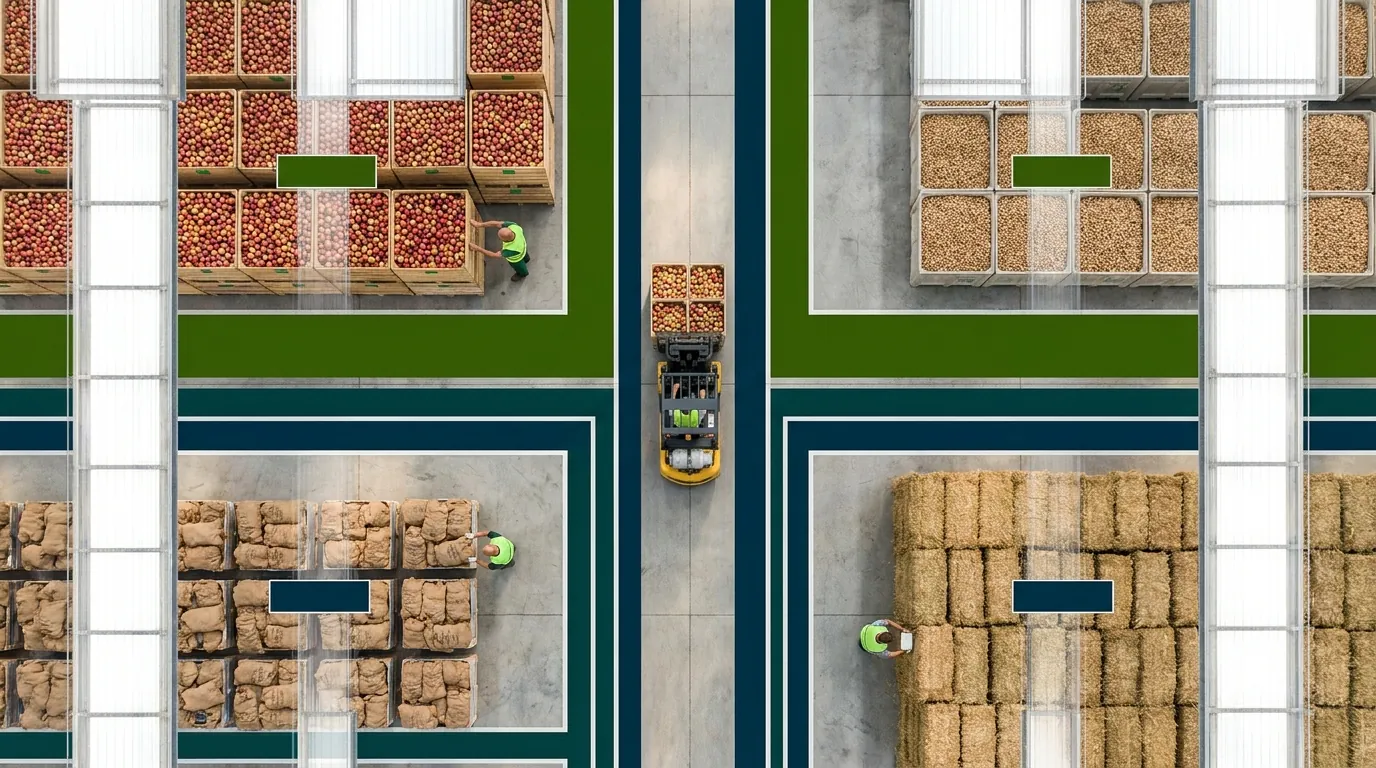
Run Cash and Accrual Side by Side for a Complete Picture
Two accounting bases answer two different questions. Under the cash basis, income is recorded when money arrives and expenses when money leaves. Under the accrual basis, income is recorded when it is earned and expenses when they are incurred, no matter when payment happens. Balance sheet accounts such as inventory, prepaid expenses and payables bridge the timing gap. Wikipedia's entry on basis of accounting gives a short overview of both.
Most farms and ranches need both views. Cash records commonly support tax reporting and help track liquidity through the season, though your tax advisor should confirm which method fits your entity. Accrual records show whether the operation actually earned a profit once inventory changes and unpaid bills are counted. Producing both from one set of transactions beats keeping cash books all year and rebuilding an accrual picture in a spreadsheet after harvest. On the Argos farm management solution, the system supports both accrual- and cash-basis financial accounting concurrently, with cost accounting working off the accrual records.
What Each View Tells Owners, Advisors and Managers
- Cash view: Can we cover payroll and input bills this month? How much have we collected from this harvest so far? Owners and bookkeepers check this weekly during heavy spending stretches.
- Accrual view: Did this year's crop make money, counting the almonds still in storage and the fertilizer we owe the co-op? Controllers, CFOs and outside ag accountants use it to judge performance and compare one year with the next.
- Together: The difference between them shows where profit is sitting, whether in unsold inventory, growing crops or receivables.
Nurseries deal with a similar split between cash collected and results earned, a topic covered in our look at accounting tools built for growers.
Why Cost Accounting Should Run off Accrual Records
Per-acre and per-hundredweight costs only mean something when they include everything a field or lot consumed during the period. Cash records skip fertilizer that was applied but not yet paid for, and they pick up supplies that were paid for but still sit in the shed. Build a per-acre figure that way and a block that happened to be invoiced late looks cheap, while one where you prepaid chemicals looks expensive. Tying costs to accrual entries matches each expense to the real activity on the real field, which keeps comparisons fair. That discipline sits at the center of sound agricultural accounting.
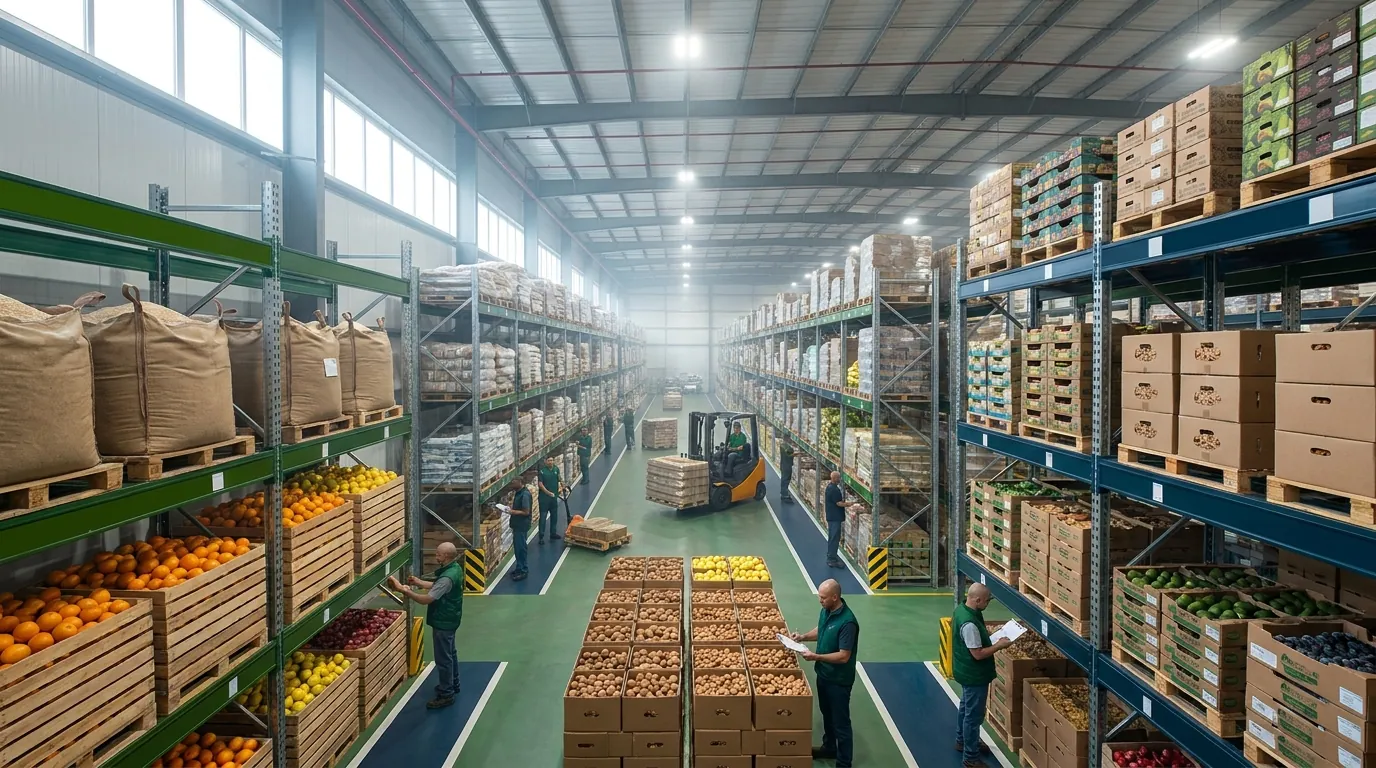
Accounting for Agricultural Inventory from Planting to Sale
Inventory is where farm books depart most sharply from ordinary bookkeeping. A grower's inventory includes crops still in the ground, harvested commodities in storage, livestock being raised or fed, and seed, fertilizer and chemicals bought but not yet applied.
The core idea is capitalization: recording production costs as inventory value instead of expensing them as they are paid. (For the general principles, see this overview of inventory accounting.) The orchard example from earlier shows how each stage works.
Capitalize Growing-Crop Costs into Work in Process
WIP is the value of production that has started but isn't finished. Before harvest, the orchard absorbs $360,000 of fertilizer, water, labor, pest control and equipment time. Those costs are debited to a WIP account for that block rather than to expense. The accrual balance sheet then shows a $360,000 asset in the field, which is an honest picture: value exists even though nothing has sold.
Transfer to Harvested Inventory, Then Relieve to Cost of Goods Sold
Harvest adds $80,000, and the full $440,000 moves into harvested inventory: 800,000 pounds at $0.55 per pound. When 500,000 pounds sell, $275,000 leaves inventory and becomes COGS, the expense matched against that revenue. The other 300,000 pounds remain an asset at $165,000 until they ship. Profit appears when the crop sells, set against what it truly cost to grow.
Choose a Valuation Approach: Cost vs Market or NRV
- Cost basis: Inventory carries its accumulated production cost, as with the almonds, and is often written down when cost exceeds net realizable value (NRV), meaning expected selling price minus costs to complete and sell.
- Market or NRV basis: Commodities with ready markets are valued at current price less selling costs, which can recognize gains before a sale.
Each trades off consistency, volatility and comparability differently. Let applicable standards, lender expectations and your accountant guide the decision, then apply it the same way every year.
A common arrangement is to carry growing crops at cost, since there is no market for a half-grown crop, and to consider market-based values only for harvested commodities that trade in active markets. Whatever the choice, document it so lenders and advisors can interpret the balance sheet consistently.
Raised vs Purchased Livestock and Inputs on Hand
- Purchased livestock, like the feeder steers, start at purchase price, with feed, care and yardage added to the lot as animals gain weight.
- Raised livestock have no purchase price, so value is built from accumulated costs or estimated with a market-based method.
- Unapplied inputs like seed, fertilizer and chemicals stay in inventory until they go on a field, then move into that field's WIP. Recording the transfer at application time keeps the shed count and the field's cost record in agreement.
A cow-calf operation shows why this matters. Calves born on the ranch carry no invoice, yet they consume pasture, supplement and labor from birth to weaning. Assigning those costs to a calf crop lot gives the herd a defensible carrying value and shows what it costs to produce a weaned calf, which is the number to compare against selling at weaning or holding the calves through backgrounding.
What to Look for in Agricultural Accounting Software
If the mechanics above feel hard to sustain in a generic ledger and a stack of spreadsheets, the operation has probably outgrown its tools. Spreadsheets tend to break first at the handoffs: an application record that never reaches the ledger, or a harvest ticket keyed in twice. The most useful way to judge a farm accounting system is to test it against the specific problems you need to solve rather than a long feature list. For a wider look at the category, see the agribusiness software guide and this overview of farm management software.
A Capability Checklist Built from the Accounting Problems Above
Bring these questions to any demo or evaluation:
- Cost center allocation: Can expenses and income be assigned to an individual block, planting or harvest lot, by activity, without re-keying entries? The discipline behind job order costing applies here.
- Concurrent cash and accrual: Are both bases kept from the same entries, with cost accounting driven by accrual data?
- Per-unit reporting: Can results be shown per acre, per bin, per hundredweight or whatever unit your operation manages by?
- WIP capitalization: Do growing-crop and livestock costs accumulate in WIP, move to harvested inventory and relieve to COGS when product ships?
- Inventory valuation: Does the system apply the method your accountant recommends, consistently from season to season? The post on inventory accounting covers the basics.
- Room to grow: Can it expand into a full accounting suite as you add acres, entities or new enterprises, like a greenhouse program running alongside field crops?
Where Argos Software Fits
The farm management solution for growers from Argos Software lines up with several of these criteria. The heart of the system is Activity Based Costing (ABC), which allows all costs and revenue to be allocated to a cost center (or job), such as a field, crop, or lot, by the activity involved. The system supports both accrual- and cash-basis financial accounting concurrently with cost accounting working off the accrual records. Multiple divisors are also available to express quantities and amounts in per-unit terms, such as per acre and per hundredweight.
When an operation needs more depth, Enterprise Accounting is a full suite of modules providing a powerful activity based costing solution. The broader set of accounting features shows what else the platform includes.
Those points line up with the first three items on the checklist. For WIP handling and valuation, test the workflow with your own figures and the method your advisor has chosen during an evaluation.
Putting It Together: From Field Costs to Clear Margins
Follow the almond block one last time. Through the growing season, fertilizer, irrigation, crew hours, spraying and machine time were charged to the block's cost center by activity, reaching $900 per acre before harvest. Instead of inflating the year's expenses, those costs accumulated in growing-crop WIP, where they sat on the balance sheet as an asset.
When the crop came off the trees, $440,000 moved out of WIP and into the harvested-goods account, valued at 55 cents a pound. Each sale then pulled its share of that cost into COGS, so expense landed in the same period as the revenue it produced. Nuts still in storage stayed on the books at cost until they, too, were sold and matched.
Running alongside, the cash view showed how much money the operation had on hand through the lean months before harvest, while the accrual view revealed what the block actually earned. The feeder cattle lot worked the same way, with purchase price, feed, vet care and yardage building up against the lot and reported in dollars per hundredweight.
That is agricultural accounting in practice: the right costs, in the right place, measured in proper units, recognized at the right time.
Next Steps for Operations Outgrowing Generic Books
- Define your cost centers. List the fields, blocks, crops and lots you want to measure separately, and decide how granular each one needs to be.
- Set allocation rules. Agree on how labor, equipment hours and shared overhead get spread across those cost centers.
- Settle valuation methods with your accountant. Cover growing crops, harvested commodities and livestock before you configure anything.
- Choose a basis for each report. Decide which statements you need on cash, which on accrual, and who reads each one.
- Test systems against your own numbers. Use the criteria from the previous section, and ask vendors to run your almond block or cattle lot through their product rather than relying on sample data.
Working through those decisions first gives every vendor a concrete test to pass, and it makes the gaps in a generic ledger obvious. Request a Demo to watch a single orchard or cattle pen move from first expense to final margin.