
Published: March 19, 2026 |
Updated: February 19, 2026 |
Reading Time: 15mins |
By: Sean Sullivan
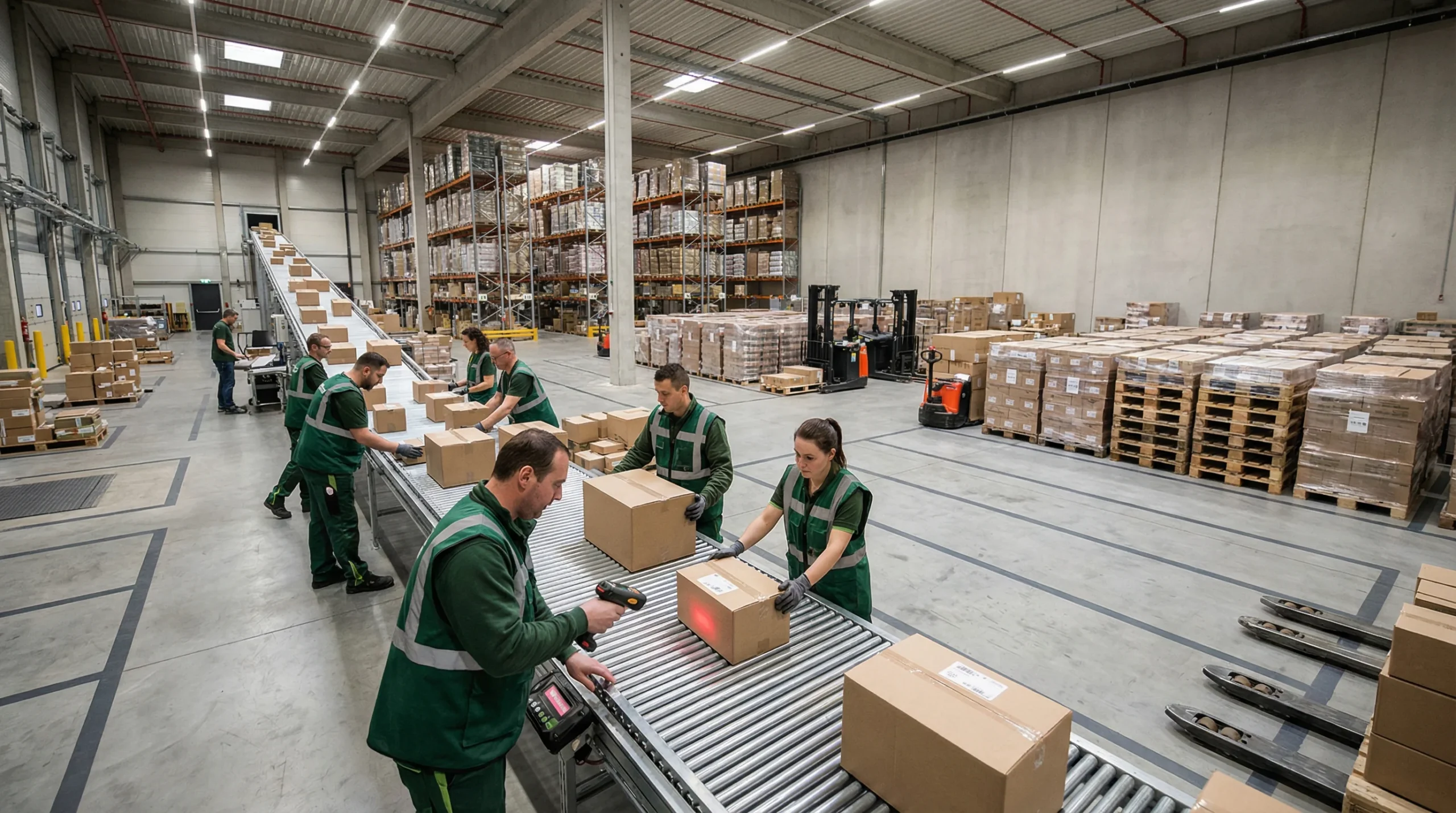
Warehouse management system for 3pl, 3pl warehouse services, 3pl inventory management system has become essential for modern businesses. Imagine a distribution center humming with activity – forklifts weaving through aisles, workers scanning barcodes, trucks backing into dock doors every few minutes. Now imagine that same facility managing inventory for dozens of different clients, each with unique requirements, billing structures, and delivery expectations. This is the daily reality for third-party logistics providers, and it’s precisely why a warehouse management system for 3PL operations has become essential to survival. The complexity of 3PL warehouse services demands technology that can handle multi-client environments, diverse inventory types, and the constant pressure to deliver accurate orders on tight deadlines. Without a capable 3PL inventory management system, even the most organized operation can quickly devolve into chaos.
The stakes couldn’t be higher. Your clients chose to outsource their logistics because they expected you to do it better than they could themselves. Meeting that expectation requires visibility, accuracy, and efficiency that manual processes simply cannot provide. This guide examines how modern warehouse management technology transforms 3PL operations, offering practical insights into implementation approaches and emerging industry developments that will shape the future of logistics.
Understanding the Unique Demands of 3PL Warehouse Operations
Third-party logistics providers operate in a fundamentally different environment than traditional warehouses. While a manufacturer might manage inventory for a single product line, a 3PL provider juggles multiple clients, each with distinct SKUs, storage requirements, and service level agreements. This complexity creates challenges that conventional warehouse systems weren’t designed to address.
Consider a regional fulfillment center handling e-commerce orders for fifteen different clients. One client sells temperature-sensitive supplements requiring lot tracking and expiration date management. Another sells oversized fitness equipment that needs special handling procedures. A third operates on a subscription model demanding precise timing for monthly shipments. Managing these varied requirements without purpose-built technology leads to errors, inefficiencies, and frustrated clients.
A warehouse management system for 3PL operations addresses these challenges through multi-tenant architecture – the ability to maintain completely separate inventory pools, billing rules, and operational procedures for each client within a single system. This approach eliminates the confusion of managing multiple databases while providing the customization each client relationship requires.

The financial implications are significant. 3PL providers who rely on spreadsheets and disconnected systems often struggle to accurately bill clients for storage, handling, and value-added services. This uncertainty cuts into margins and creates disputes that damage relationships. A proper 3PL software solution captures every transaction, enabling precise billing that reflects actual resource consumption.
Core Capabilities That Drive 3PL Success
Not all warehouse management systems are created equal, and systems designed for single-tenant operations often fall short in 3PL environments. Understanding which capabilities matter most helps logistics managers evaluate potential solutions effectively.
Precision Inventory Control Across Multiple Clients
The foundation of effective 3PL warehouse services is accurate inventory management. When you’re responsible for someone else’s products, mistakes carry consequences beyond your own bottom line. A miscounted shipment or misplaced pallet damages your reputation and erodes the trust that client relationships depend upon.
Modern 3PL inventory management systems provide granular visibility into every item under your roof. Beyond basic location tracking, these systems maintain detailed records including:
- Lot numbers and batch codes for traceability requirements
- Expiration dates and first-expired-first-out (FEFO) logic
- Serial numbers for high-value items requiring individual tracking
- Quality hold statuses for items pending inspection
- Client-specific attributes and custom fields
This level of detail supports the compliance requirements many clients face. A 3PL serving food and beverage companies, for example, must demonstrate complete traceability in case of recalls. The ability to quickly identify affected products and their destinations isn’t just convenient – it’s a regulatory necessity.
Real-Time Visibility and Decision Support
Operating a 3PL without real-time data is like driving with a fogged windshield. You might reach your destination, but you’ll miss opportunities and encounter avoidable obstacles along the way. Modern warehouse management technology provides constant visibility into operations as they unfold.
Real-time dashboards display key metrics including order status, inventory levels, labor productivity, and dock activity. This visibility enables proactive management rather than reactive firefighting. When a manager sees picking productivity dropping in Zone C, they can investigate immediately rather than discovering the issue at end-of-day reporting.
Perhaps more importantly, real-time data supports the transparency your clients expect. Through reporting and analytics capabilities, you can provide clients with on-demand access to their inventory status, order progress, and historical performance data. This transparency differentiates your 3PL warehouse services from competitors who keep clients guessing about their shipments.
Flexible Order Processing and Fulfillment
Each client brings unique order profiles and fulfillment requirements. Some receive a handful of large B2B orders daily, while others process thousands of single-item e-commerce shipments. A warehouse management system for 3PL operations must accommodate this variety without forcing one-size-fits-all workflows.
Configurable order management functionality allows you to establish client-specific rules for picking strategies, packing materials, shipping carrier selection, and documentation. When an order arrives, the system automatically applies the appropriate procedures based on the client and order characteristics.
This flexibility extends to value-added services that differentiate 3PL providers. Kitting, assembly, labeling, gift wrapping, and custom packaging all represent opportunities to add value and increase revenue. Your system should track these services accurately for both operational execution and billing purposes.

Operational Excellence Through Technology Integration
A warehouse management system doesn’t operate in isolation. Its value multiplies when connected to the broader technology environment including client systems, carriers, and equipment. These integrations eliminate manual data entry, reduce errors, and accelerate processes throughout the supply chain.
Connecting with Client Systems
Your clients expect their orders to flow into your warehouse without friction. Whether they use enterprise resource planning systems, e-commerce platforms, or custom applications, EDI integration capabilities provide standardized connections that automate order receipt, inventory updates, and shipment notifications.
For clients with more modern architectures, API connections offer flexible real-time integration. These connections enable sophisticated scenarios like automated inventory replenishment triggers or dynamic order routing based on real-time availability.
The efficiency gains from proper integration are substantial. Manual order entry consumes time and introduces errors. A single transposition mistake can send a shipment to the wrong address, creating costly corrections and disappointed customers. Automated data exchange eliminates these risks while freeing staff for higher-value activities.
Carrier and Shipping Integration
Getting orders out the door efficiently requires smooth coordination with shipping carriers. Modern 3PL operations work with multiple carriers to balance cost, speed, and service requirements across different clients and destinations. Shipping integration tools connect your warehouse management system directly to carrier systems for rate shopping, label generation, and tracking updates.
This integration supports the complex shipping rules that 3PL clients often require. One client might mandate specific carriers for certain destinations. Another might require signature confirmation for orders above a value threshold. Your system should enforce these rules automatically, ensuring compliance without requiring workers to memorize client-specific procedures.
Equipment and Automation Connectivity
Barcode scanners, label printers, and mobile devices are standard in modern warehouses, but the technology landscape continues expanding. Conveyor systems, automated storage and retrieval systems, voice picking technology, and autonomous mobile robots all depend on tight integration with warehouse management software.
As you evaluate 3PL inventory management systems, consider your current equipment investments and future automation plans. The system you choose should support your existing technology while providing pathways to more advanced automation as your operation grows.
Implementation Strategies That Minimize Risk
Implementing a warehouse management system for 3PL operations represents a significant undertaking. The multi-client nature of 3PL businesses adds complexity that makes careful planning essential. A poorly executed implementation can disrupt operations, damage client relationships, and delay the benefits you expected from the investment.
Assessing Your Current State and Future Needs
Successful implementations begin with honest assessment. Before evaluating solutions, document your current processes thoroughly. Where do errors occur most frequently? Which manual tasks consume the most labor? What capabilities do clients request that you cannot currently provide?
This assessment should also consider growth projections. A system that fits your current operation but cannot scale with anticipated growth creates headaches down the road. Think about client acquisition goals, geographic expansion plans, and service offerings you want to add over the next three to five years.
Engaging frontline workers in this assessment often reveals insights that management overlooks. The employees who pick orders and process receipts daily understand operational pain points that don’t appear in reports. Their input improves both the requirements you establish and the eventual adoption of the new system.
Phased Rollout Approaches
For established 3PL operations, big-bang implementations carry substantial risk. Converting all clients to a new system simultaneously creates enormous pressure on staff learning new procedures while maintaining service levels. A phased approach reduces this risk by limiting the scope of change at any given time.
One common strategy involves piloting the new system with a single, cooperative client willing to accept some disruption during the transition. This pilot reveals configuration issues and training gaps in a controlled environment. Lessons learned during the pilot improve subsequent client migrations.
Another approach phases implementation by functional area. You might begin with receiving and putaway processes before moving to picking and shipping. This method allows workers to build confidence with the new system gradually rather than facing entirely new procedures across all activities simultaneously.
Data Migration and Validation
The inventory data in your current systems represents years of accumulated information. Migrating this data accurately is essential – starting fresh with a new system means starting with errors if the migration introduces discrepancies.
Plan for thorough data cleansing before migration. Old systems accumulate duplicate records, outdated location codes, and inconsistent item descriptions over time. Cleaning this data before migration prevents carrying these problems into your new environment.
Validation procedures should verify that migrated data matches source systems. Physical inventory counts at the point of migration provide an additional verification layer. Discovering inventory discrepancies months after migration creates significant reconciliation challenges.
Measuring Success: Key Performance Indicators for 3PL Operations
Implementing a 3PL inventory management system creates opportunities for performance improvement, but realizing those improvements requires measurement. Establishing baseline metrics before implementation enables meaningful assessment of the technology’s impact.
Order accuracy represents perhaps the most critical metric for 3PL warehouse services. Shipping the wrong item or quantity damages client relationships and creates costly returns processing. Track both pick accuracy (correct items selected) and ship accuracy (correct items delivered to customers).
Inventory accuracy directly impacts your ability to fulfill orders and maintain client trust. Cycle counting programs enabled by modern warehouse management systems provide ongoing verification without the disruption of annual physical inventories. Target inventory accuracy above 99% for competitive 3PL operations.
Labor productivity metrics reveal how efficiently your workforce operates. Orders shipped per labor hour, lines picked per hour, and receiving units processed per hour all indicate operational efficiency. Your warehouse management system should capture the data needed to calculate these metrics automatically.
On-time shipment rates measure your ability to meet client expectations. As Supply Chain Dive frequently reports, customer expectations for delivery speed continue intensifying. Meeting promised ship dates consistently demonstrates the reliability that client retention depends upon.
Emerging Developments Shaping 3PL Warehouse Management
The technology landscape continues advancing rapidly, and 3PL providers must understand emerging developments to maintain competitive positioning. Several trends deserve particular attention as you plan your technology strategy.
Intelligent Automation and Machine Learning
Automation in warehouses is moving beyond fixed conveyors and automated storage systems toward more flexible, intelligent solutions. Autonomous mobile robots can navigate dynamic warehouse environments, adapting to changing layouts and traffic conditions. These robots work alongside human workers, handling routine transport tasks while humans focus on activities requiring judgment and dexterity.
Machine learning algorithms are beginning to influence warehouse operations in subtler ways. Demand forecasting models analyze historical patterns to predict future order volumes, enabling proactive staffing and inventory positioning. Slotting optimization algorithms continuously evaluate product velocity and physical characteristics to recommend ideal storage locations.
These capabilities are increasingly accessible to mid-sized 3PL operations, not just giant enterprises. Cloud-based deployment models reduce infrastructure requirements, while improved implementation methodologies shorten time to value. According to Logistics Management, adoption of these technologies among 3PL providers has accelerated significantly in recent years.
Environmental Responsibility and Sustainable Operations
Sustainability considerations are becoming standard evaluation criteria for companies selecting 3PL partners. Shippers increasingly require documentation of environmental practices and carbon footprint data from their logistics providers.
Warehouse management systems support sustainability initiatives in several ways. Optimized picking routes reduce travel distances, cutting energy consumption from material handling equipment. Intelligent load planning maximizes trailer utilization, reducing the number of shipments required. Accurate inventory management reduces waste from expired or damaged products.
Some 3PL providers are differentiating themselves through comprehensive sustainability programs that include renewable energy, electric vehicle fleets, and recyclable packaging options. The ability to track and report environmental metrics through your warehouse management system supports these initiatives while demonstrating commitment to environmentally-conscious clients.
Enhanced Client Collaboration Tools
The relationship between 3PL providers and their clients is becoming more collaborative. Clients expect deeper visibility into operations and more active participation in planning and optimization. Modern systems support this collaboration through client portals, shared dashboards, and collaborative forecasting tools.
This transparency strengthens relationships by building trust and enabling joint problem-solving. When clients can see their inventory levels and movements in real-time, they can make better decisions about replenishment and promotions. When they understand your capacity constraints, they can provide more accurate forecasts that improve your planning.
Making the Right Technology Decision for Your Operation
Selecting a warehouse management system for 3PL operations requires balancing multiple considerations. Functionality matters, but so do implementation support, ongoing maintenance, and vendor stability. The lowest-cost option rarely delivers the best value when total cost of ownership and risk factors enter the calculation.
Evaluate vendors based on their experience with 3PL-specific requirements. A system designed primarily for single-tenant operations may lack the multi-client capabilities your business model requires. Ask for references from similar 3PL operations and verify that the vendor understands the unique challenges you face.
Consider the vendor’s product roadmap and investment in innovation. The logistics technology landscape evolves rapidly, and your system should evolve with it. Vendors who demonstrate ongoing development of new capabilities provide better long-term value than those offering static products.
Finally, assess the implementation and support resources the vendor provides. Technology is only as valuable as your ability to use it effectively. Comprehensive training, responsive support, and dedicated implementation resources contribute significantly to successful outcomes.
Taking the Next Step Toward Operational Excellence
The competitive pressure facing 3PL providers continues intensifying. Clients expect more visibility, faster fulfillment, and lower costs simultaneously. Meeting these expectations without capable technology becomes increasingly difficult as operations grow in complexity.
A well-implemented warehouse management system for 3PL operations provides the foundation for meeting client expectations while maintaining healthy margins. The visibility, accuracy, and efficiency these systems enable translate directly to improved client satisfaction and retention. The operational data they capture supports continuous improvement and strategic decision-making.
If your current systems struggle to keep pace with client demands, exploring modern 3PL warehouse services technology deserves priority attention. Schedule a consultation with our team to discuss how your operation can benefit from purpose-built 3PL capabilities. Explore our warehouse management software solutions to learn more about functionality designed specifically for third-party logistics providers. Your clients chose you because they expected logistics expertise – give them the technology-enabled service they deserve.
Frequently Asked Questions
Why is a warehouse management system for 3PL essential?
A warehouse management system for 3PL is essential to manage complex logistics operations efficiently. It allows handling multiple clients with unique inventory and billing requirements within a single system. This technology ensures accurate order fulfillment, reduces errors, and enhances client satisfaction. Without it, managing diverse client needs manually can lead to chaos and inefficiencies.
How does a 3PL inventory management system improve efficiency?
A 3PL inventory management system improves efficiency by streamlining operations and reducing errors. It provides real-time visibility into inventory levels, order statuses, and client-specific requirements. This system allows for precise tracking and management of diverse inventory types across multiple clients. By automating processes, it minimizes manual intervention and enhances operational accuracy.
What are the unique demands of 3PL warehouse services?
3PL warehouse services face unique demands due to managing multiple clients with diverse needs. Each client may have different SKUs, storage requirements, and service level agreements. This complexity requires a system capable of handling varied inventory types and ensuring precise order fulfillment. Without specialized technology, meeting these demands can lead to operational inefficiencies and client dissatisfaction.
How does a warehouse management system for 3PL handle multi-client environments?
A warehouse management system for 3PL handles multi-client environments using multi-tenant architecture. This allows maintaining separate inventory pools, billing rules, and procedures for each client within one system. It eliminates confusion from managing multiple databases and provides the customization needed for each client. This approach ensures seamless operations and tailored services for diverse client needs.
What challenges do 3PL providers face without a specialized system?
Without a specialized system, 3PL providers face challenges like inefficiencies and increased error rates. Managing diverse client requirements manually can lead to operational chaos and client dissatisfaction. A lack of real-time visibility and automation can hinder accurate order fulfillment and inventory management. This can compromise the ability to meet tight deadlines and specific client needs effectively.
3PL Software: Features, Benefits, and How to Choose
Discover the benefits of 3PL software for efficient warehouse management and inventory control.
The Power of WMS Organization: A Complete Guide
Explore the benefits of WMS organization, system examples, and WMS vs OMS insights. Optimize your warehouse operations today.
Optimize Warehouse Picking with Argos Solutions
Discover how to enhance warehouse picking efficiency with traditional and automated systems. Learn more with Argos.