
Published: April 4, 2022 |
Updated: February 17, 2026 |
Reading Time: 8mins |
By: Sean Sullivan
The Rise of Vertical Farming
Vertical farming is not just reshaping how we think of agriculture in urban centers, it is also becoming a phenomenon as investors are sinking hundreds of millions of dollars into indoor farm operations that are outfitted into warehouses, shipping containers, or repurposed factories.
Until recently, vertical farming was relatively under the radar, but today it has emerged as an alternative for urban grocers seeking fresh produce fast. Vertical farming takes place indoors and involves systems that grow food in stacked layers. It depends on two models — hydroponics, in which plants are grown in a nutrient-rich basin of water, and aeroponics, where roots are periodically sprayed with a mist containing water and nutrients.
Advocates say the system yields more crops per square foot than traditional farming or greenhouses and that it also uses less water without yielding to traditional seasons. Because produce is cultivated within a controlled environment, it can produce throughout the year.
From plant production to inventory tracking, manage your nursery or greenhouse operations with one integrated platform.
Request a Demo

Major Players in the Industry
One of the biggest vertical farms is Bowery in New Jersey. It occupies a giant warehouse where greens are cultivated under LED lights and crops sprout in water bed trays stacked from floor to the ceiling. According to Business Insider, Bowery just raised $20 million in Series A funding that will allow it to build more farms across the U.S. The company says it has the capacity to grow 100 times more greens per square foot than the average industrial farm.
Plenty, a vertical farm in San Francisco, just picked up $200 million in funding from Japanese telecom giant SoftBank Group, making it the largest agriculture technology investment in history, according to Bloomberg. The farm plans to build 500 vertical operations across the globe that will able to deliver farm to table food in a matter of hours through partnerships with Wal-Mart, Amazon, and other major retailers. Plenty says that it can produce 2 million pounds of lettuce a year within a 50,000-square-foot space.
Technology and Software Driving Indoor Vertical Farming
The success of indoor vertical farming operations hinges on sophisticated technology systems that can manage thousands of variables simultaneously across multiple growing environments. Unlike traditional agriculture, vertical farming software must orchestrate precise control over light spectrums, humidity levels, nutrient concentrations, and temperature fluctuations for every growing tray in a multi-story facility.
Modern vertical farming software serves as the central nervous system for these complex operations, integrating environmental controls with crop scheduling, yield prediction, and harvest optimization. These platforms collect data from hundreds of IoT sensors throughout the facility, providing real-time monitoring dashboards that alert operators to deviations in growing conditions before they impact crop quality or yield.
The integration capabilities of indoor farming software extend far beyond environmental controls. Leading systems connect growing operations directly with warehouse management, inventory tracking, and order fulfillment processes. This seamless data flow enables vertical farms to optimize their supply chain from seed to customer delivery, reducing waste and improving profitability.
Regulatory compliance adds another layer of complexity that requires robust software solutions. Seed-to-sale traceability requirements demand integrated systems that can track every plant from germination through harvest, processing, and distribution. This level of documentation is only possible with comprehensive vertical farming software that maintains detailed records of inputs, growing conditions, and handling procedures.
The warehouse and fulfillment side of indoor vertical farming operations presents unique challenges that standard agricultural software cannot address. These facilities must manage inventory across multiple growing cycles, coordinate harvesting schedules with customer demand, and maintain cold chain integrity throughout the distribution process. Argos provides agribusiness software specifically designed to handle the complex inventory and warehouse management requirements of vertical farming operations, ensuring seamless integration between growing systems and distribution networks.
Vertical Farming Investment Opportunities and Market Growth
The vertical farming industry has experienced explosive growth since the early investments in companies like Bowery and Plenty, with the global market projected to exceed $20 billion by 2030. This rapid expansion has created diverse vertical farming investment opportunities across multiple segments of the industry, from direct equity positions in farming operations to technology providers and specialized infrastructure development.
Investors are increasingly attracted to the sector due to its alignment with climate resilience strategies and ESG investment criteria. Indoor vertical farming addresses critical food security concerns while offering solutions to supply chain disruptions that have plagued traditional agriculture. The controlled environment agriculture model provides year-round production capabilities that are largely immune to weather-related crop failures and seasonal price volatility.
The investment landscape includes several distinct opportunity categories. Direct equity investments in vertical farming operators offer exposure to the operational side of the business, while technology investments focus on the software, automation, and equipment providers that enable these facilities to function efficiently. Real estate and infrastructure investments represent another growing segment, as purpose-built vertical farming facilities require specialized construction and ongoing facility management expertise.
However, vertical farming investment opportunities come with significant challenges that investors must carefully evaluate. High energy costs remain a persistent headwind, particularly for facilities growing leafy greens and herbs that command lower market prices. The limited crop variety that can be economically produced in vertical systems constrains market opportunities, while the capital-intensive nature of these operations requires substantial upfront investments with longer payback periods.
The role of automation and vertical farming software has become critical in addressing these economic challenges. Advanced indoor farming software systems that optimize energy usage, reduce labor costs, and maximize yield per square foot are making vertical farming operations increasingly attractive to investors by improving unit economics and operational scalability.
The Future of Urban Agriculture
By the year 2050, nearly 80 percent of the earth’s population will reside in cities. While that will increase the demand for fresh produce, it also creates the unique opportunity to eliminate food deserts, which have segregated urban areas into haves and have-nots when it comes to available food. Indoor farm advocates say they have the solution to, not just that, but also other problems related to the future of agriculture: water shortages, the scarcity of acreage, and the graying of the farming population. It also aims to eliminate waste of traditional food routing: According to Bain & Company, about 35 percent of fruits and vegetables produced in California or Arizona travel an average of 2,000 miles before reaching a retailer, a distance that greatly reduces their shelf life.
A summit by the Association of Vertical Farming in September discussed the future of indoor farming. Advocates want to influence a pending farm bill in Washington so it includes several measures such as recognition in the U.S. Code for promoting urban agriculture and indoor vertical farms, and create funding to create a census for urban agriculture, which will lead to more opportunities for funding.
Is there a vertical farm in your community? Are you involved in one? How do you see it changing the way people access food? Conversely, do you have difficulties accessing fresh food in your area and what are the logistics responsible for that? Let us know in the comments below!
Interested in learning how you can use software for your agribusiness? Contact us to request a demo of Argos Software.
Frequently Asked Questions
What are the main startup costs for beginning a vertical farming operation?
Startup costs for vertical farming typically range from hundreds of thousands to millions of dollars, depending on scale and technology. Major expenses include LED lighting systems, climate control equipment, hydroponic or aeroponic infrastructure, and facility preparation. Additional costs cover seeds, nutrients, monitoring systems, and operational staff during the initial phases before revenue generation begins.
How much electricity do vertical farms consume compared to traditional farming?
Vertical farms consume significantly more electricity than traditional outdoor farming, primarily due to LED lighting systems that replace sunlight. Energy costs can account for 25-30% of operational expenses. However, many vertical farms are investing in renewable energy sources and more efficient LED technology to reduce consumption and environmental impact over time.
What types of crops grow best in vertical farming systems?
Leafy greens like lettuce, spinach, kale, and herbs perform exceptionally well in vertical farms due to their short growth cycles and compact size. Strawberries, tomatoes, and microgreens also thrive in these controlled environments. Root vegetables and larger crops like corn or wheat are generally not suitable due to space constraints and energy requirements.
Do vertical farms require special permits or regulations to operate?
Vertical farms typically need standard business licenses, food safety certifications, and building permits for facility modifications. Some areas require agricultural permits even for indoor operations. Food safety regulations like Good Agricultural Practices (GAP) often apply, and facilities may need USDA organic certification if marketing organic produce. Local zoning laws may also impact where vertical farms can operate.
How long does it take for crops to mature in vertical farms?
Most leafy greens mature in 30-45 days in vertical farms, which is often faster than traditional outdoor farming due to optimized growing conditions. Herbs typically take 3-4 weeks, while strawberries may require 6-8 weeks from planting to harvest. The controlled environment allows for year-round production and multiple harvest cycles annually.
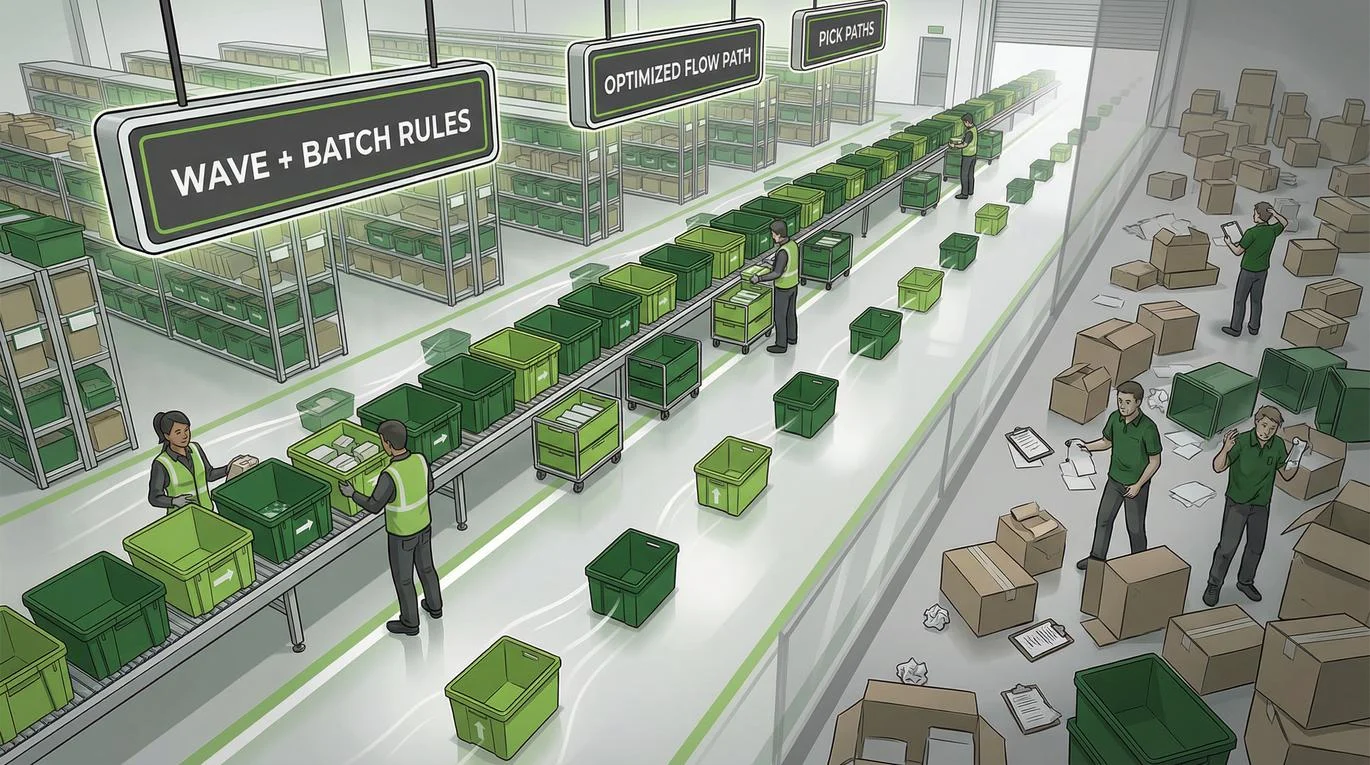
Wave Picking & Batch Picking: Advanced Guide for Smarter Fulfillment
Wave Picking for Smarter Fulfillment Your warehouse feels calm at 9:00 a.m., then turns into [...]
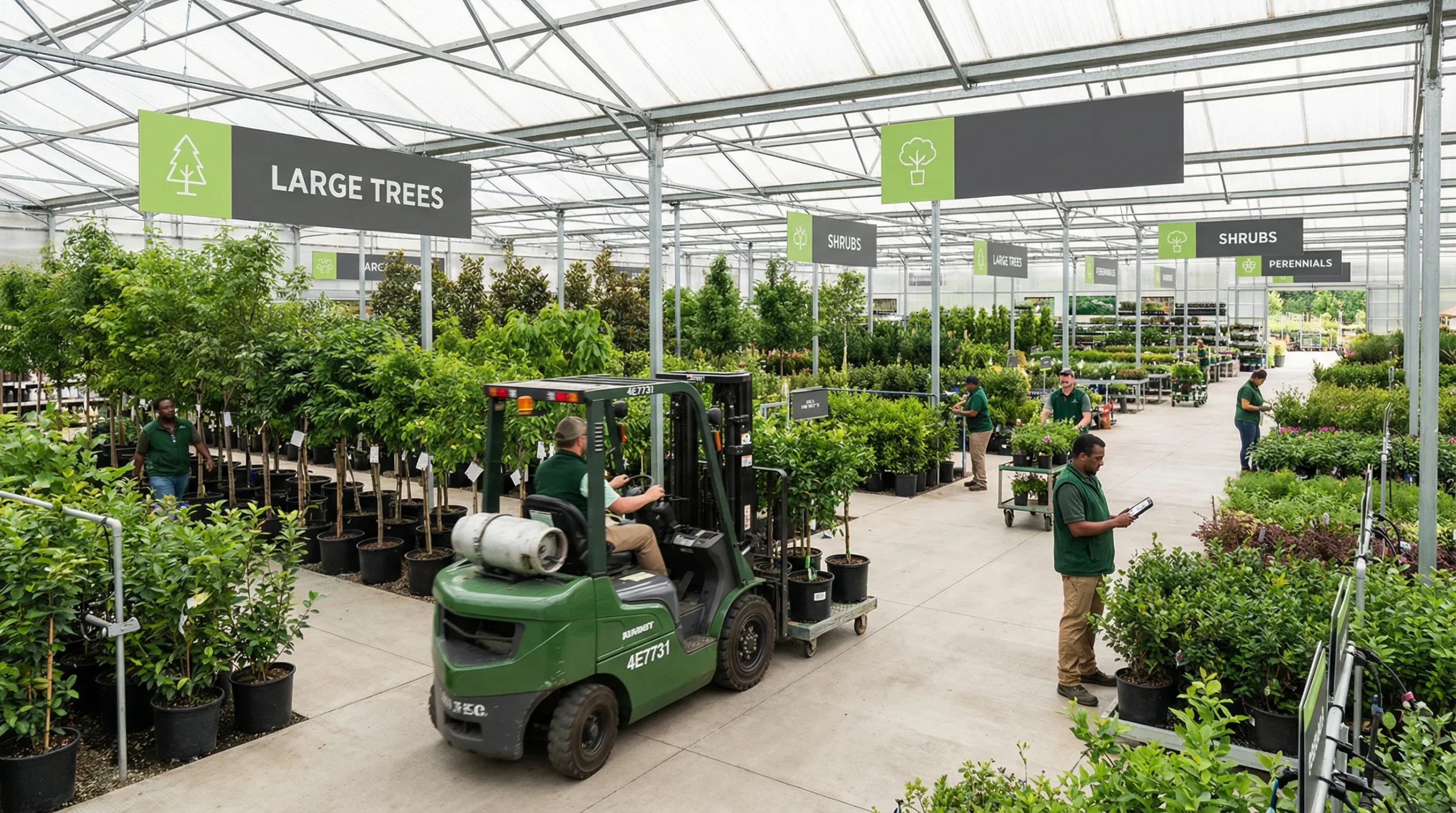
Agribusiness Software: Essential ERP Insights
Discover the benefits of agribusiness ERP software and top agriculture software companies for enhanced efficiency.
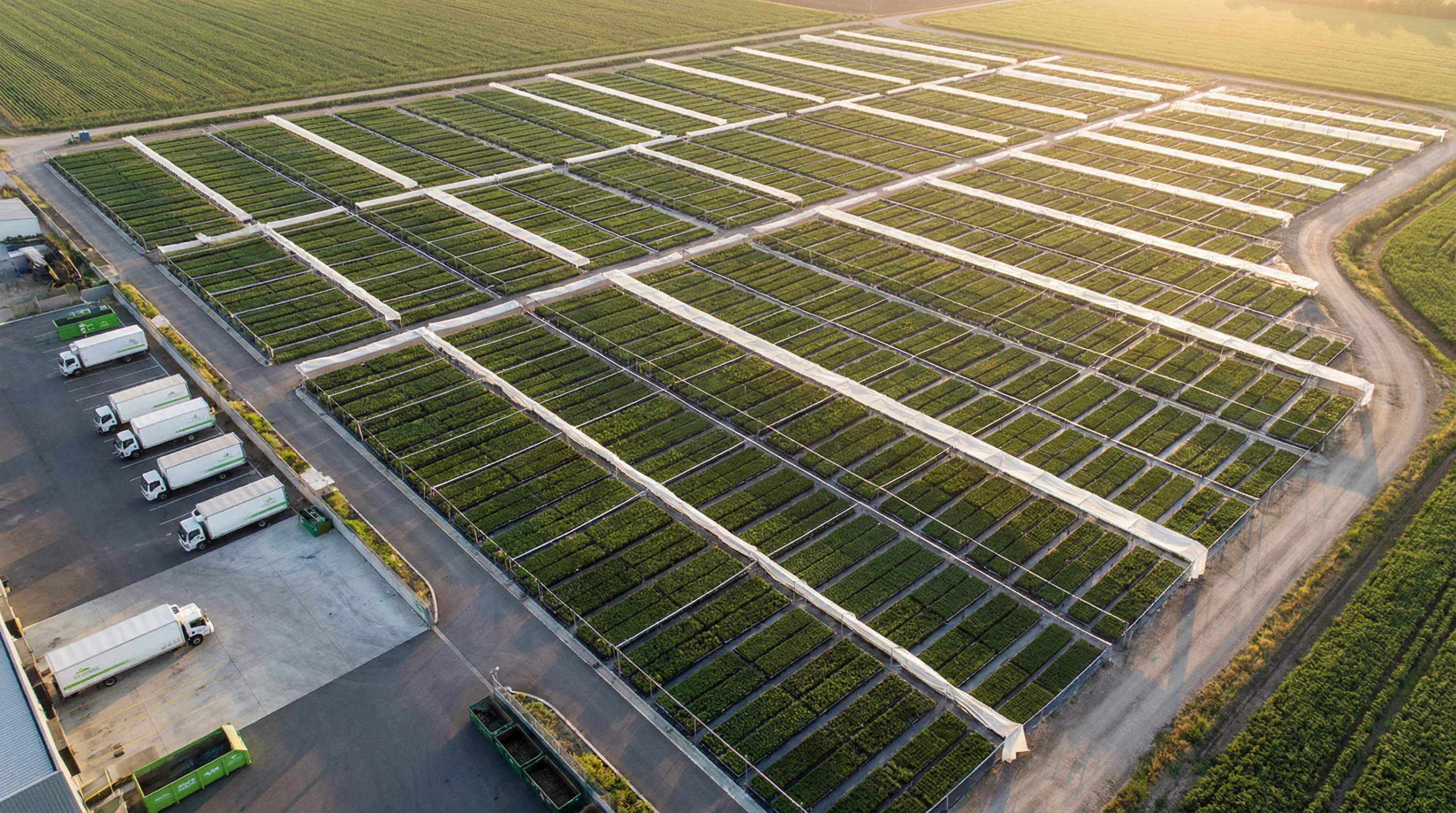
The Benefits of Grower Management Software
Discover how grower management software optimizes operations and integrates with accounting systems for increased ROI.