
Published: March 24, 2026 |
Updated: February 19, 2026 |
Reading Time: 20mins |
By: Sean Sullivan
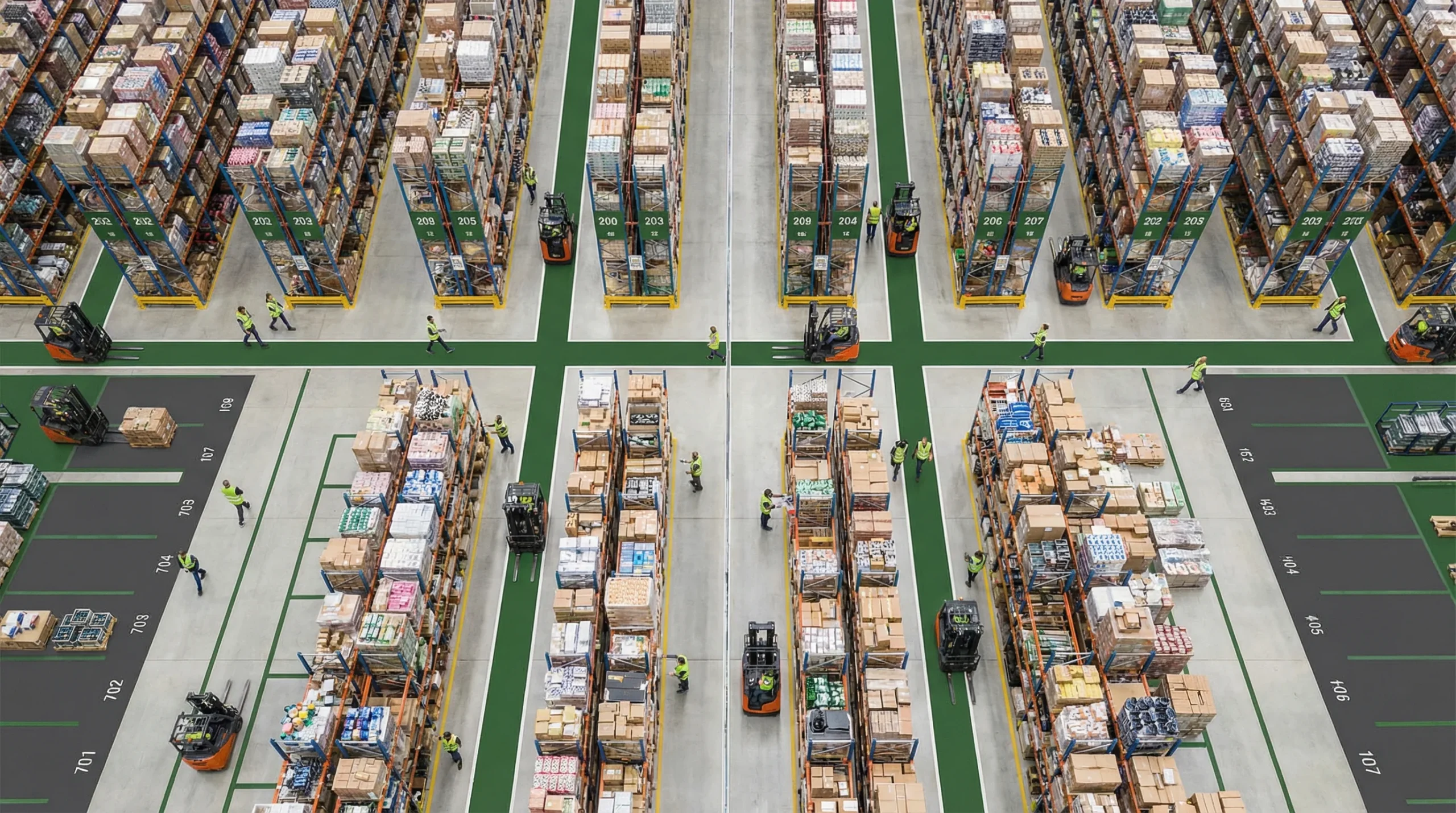
Third-party logistics provider 3pl, 3pl warehouse services, what is a 3pl in logistics has become essential for modern businesses. Supply chain disruptions cost businesses billions annually, yet many of these losses stem from preventable mistakes in logistics management. When companies fail to understand what is a 3PL in logistics and how to properly evaluate third-party logistics provider 3PL partnerships, they often end up with higher costs, slower delivery times, and frustrated customers. The irony? These same companies could be saving 10-15% on logistics costs and dramatically improving efficiency with the right approach to 3PL warehouse services.
This guide takes a different approach to exploring third-party logistics. Instead of simply listing benefits, we’ll examine the most damaging mistakes businesses make when selecting and working with 3PL partners, and more importantly, how to avoid them. Whether you’re considering your first 3PL partnership or looking to improve an existing relationship, understanding these pitfalls will help you make smarter decisions that actually move your supply chain forward.
Understanding Third-Party Logistics Provider 3PL: The Foundation You Can’t Skip
Before diving into common mistakes, let’s establish a clear foundation. A third-party logistics provider 3PL is a company that handles logistics operations on behalf of another business. These services typically include warehousing, transportation, order fulfillment, and inventory management. Think of a 3PL as an extension of your operations team, one that brings specialized expertise, established infrastructure, and scalable resources to the table.
The concept isn’t new, but its importance has grown exponentially. As customer expectations for faster delivery have increased and supply chains have become more complex, the role of 3PL warehouse services has evolved from simple storage solutions to sophisticated, technology-driven operations that can make or break a company’s competitive position.
What is a 3PL in Logistics Really Doing for Your Business?
At its core, a 3PL handles the physical movement and storage of goods so you don’t have to build that infrastructure yourself. But the value goes deeper than that. Quality 3PL providers bring expertise in freight management and transportation that would take years to develop internally. They’ve already made the technology investments, hired specialized staff, and built the carrier relationships that enable efficient operations.
The services a typical third-party logistics provider 3PL offers include:
- Receiving and putaway of incoming inventory
- Warehouse storage and inventory management
- Pick, pack, and ship operations for outbound orders
- Transportation management and carrier negotiation
- Returns processing and reverse logistics
- Value-added services like kitting, labeling, and light assembly
Understanding this scope is essential because many partnership failures stem from misaligned expectations about what 3PL warehouse services actually include versus what businesses assume they’re getting.
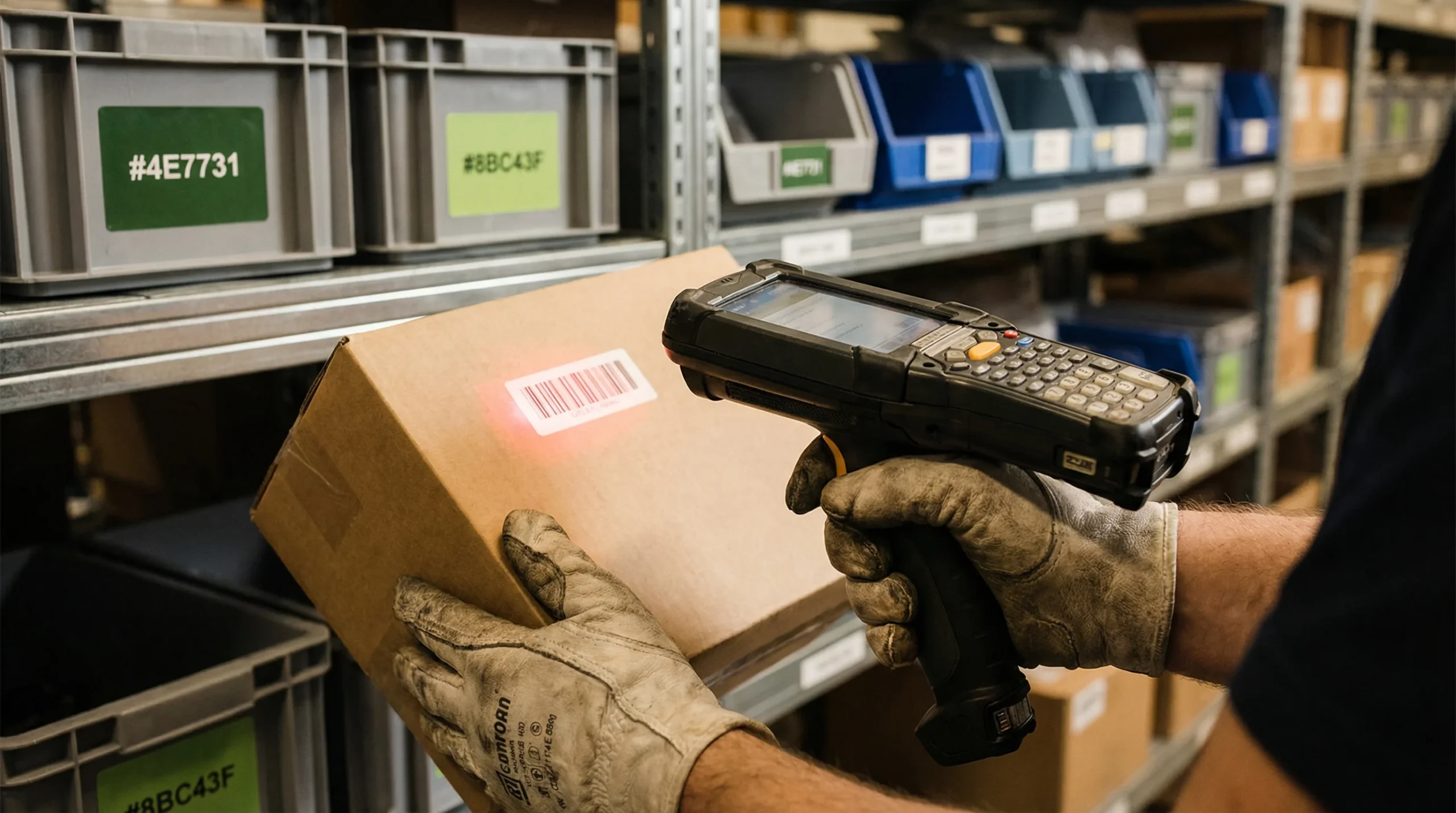
Mistake #1: Choosing a 3PL Based Solely on Price
The most common and costly mistake businesses make when selecting a third-party logistics provider 3PL is treating the decision like a commodity purchase. They send out RFPs, collect quotes, and pick the cheapest option. Six months later, they’re dealing with shipping errors, inventory discrepancies, and customer complaints that far exceed whatever they saved on the contract.
Price matters, of course. But the lowest-cost provider often delivers the lowest-value service. Hidden costs lurk everywhere in 3PL relationships, from accessorial charges and storage fees to costs associated with poor performance like reshipping orders, processing returns from fulfillment errors, and losing customers due to late deliveries.
The Fix: Evaluate Total Cost of Partnership
Instead of focusing on line-item pricing, calculate the total cost of partnership. This includes the obvious fees plus the less visible costs of working with each potential provider. Ask detailed questions about their error rates, on-time shipping performance, and how they handle problems when they occur. Request references and actually call them, not just for praise, but to understand the challenges those clients have faced.
Consider these factors beyond price when evaluating 3PL warehouse services:
- Technology capabilities and integration requirements
- Geographic location relative to your customers and suppliers
- Industry experience and specialization
- Scalability to handle your growth projections
- Financial stability and business continuity planning
- Cultural fit and communication style
A provider that costs 15% more but delivers 99.5% accuracy versus 97% accuracy might actually save you money when you factor in the cost of fixing errors and retaining frustrated customers.
Mistake #2: Underestimating the Importance of Technology Integration
Many businesses select a third-party logistics provider 3PL with impressive facilities and competitive rates, only to discover that getting their systems to communicate is a nightmare. Without proper API integration and connectivity, you’re left with manual data entry, delayed visibility into inventory levels, and error-prone order processing.
This technology gap creates real operational problems. Imagine a customer orders a product shown as in-stock on your website, but the 3PL’s inventory count is actually twelve hours old and the item sold out that morning. Now you’re dealing with an oversell situation, a disappointed customer, and a scramble to find replacement inventory.
The Fix: Prioritize Integration Capabilities Early
Technology compatibility should be a qualifying criterion, not an afterthought. Before you get deep into negotiations with any 3PL, understand exactly how they’ll integrate with your existing systems. What is a 3PL in logistics without proper data connectivity? Just an expensive storage facility with poor visibility.
Key technology questions to ask potential providers:
- What EDI integration capabilities do they support?
- Do they offer real-time inventory visibility through their WMS?
- How do they handle order status updates and tracking information?
- What’s their process for onboarding new client integrations?
- Can they provide examples of successful integrations with systems similar to yours?
The best 3PL warehouse services include robust technology platforms that provide real-time data exchange. This visibility isn’t a luxury; it’s essential for maintaining accurate inventory counts, providing customers with reliable delivery estimates, and making informed business decisions.
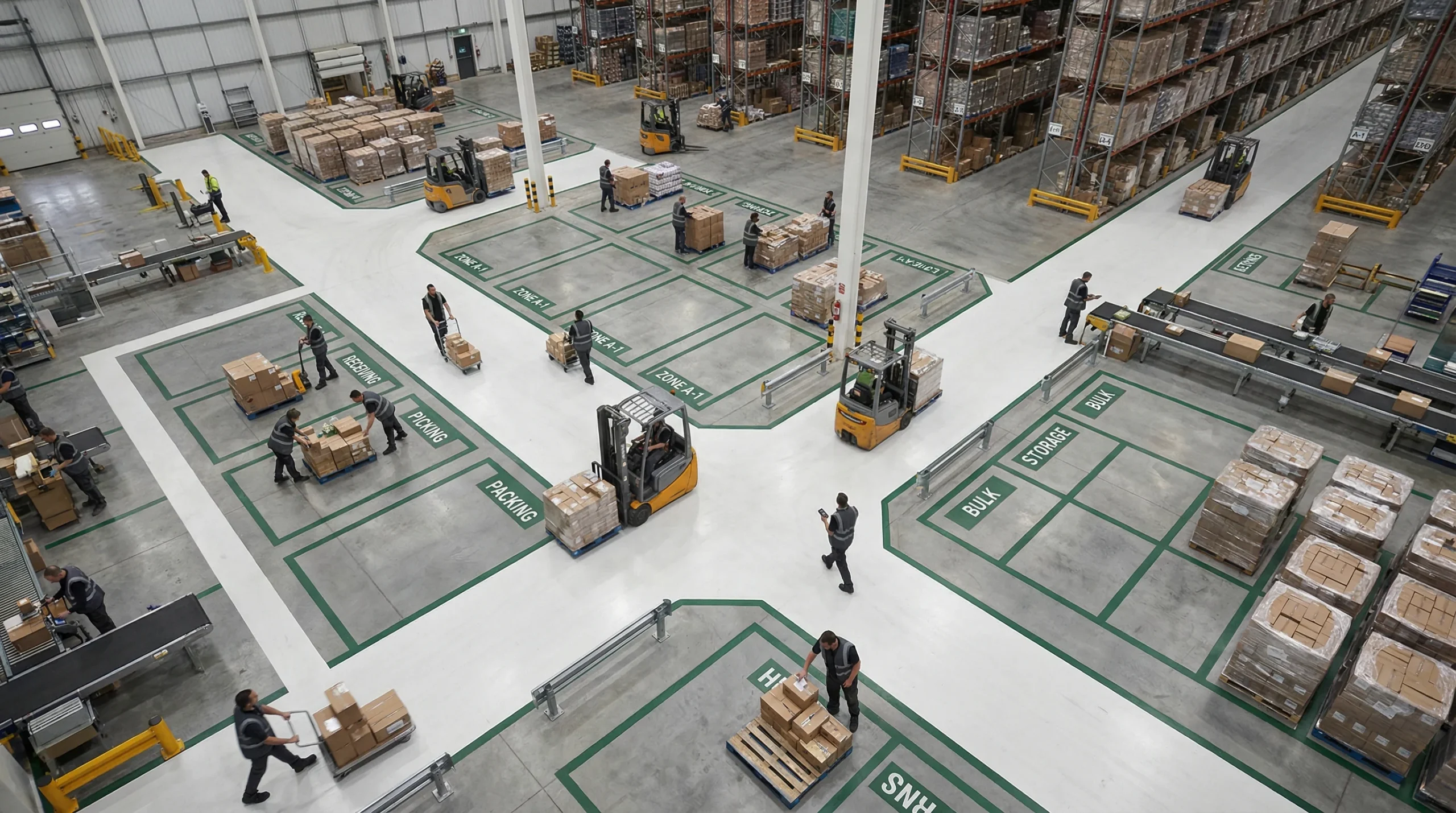
Mistake #3: Failing to Define Clear Performance Metrics and SLAs
A handshake agreement that your 3PL will provide “good service” is worthless when problems arise. Yet many businesses enter partnerships without establishing specific, measurable performance standards. When issues occur, both parties have different definitions of acceptable performance, leading to finger-pointing and unresolved problems.
Without defined metrics, you can’t objectively evaluate whether your third-party logistics provider 3PL is meeting expectations. Is 95% on-time shipping good enough? What about 98%? The answer depends on your industry, your customers’ expectations, and the terms you’ve agreed upon. But if you haven’t agreed upon anything specific, you have no basis for accountability.
The Fix: Establish Comprehensive SLAs Before Signing
Service Level Agreements should cover every aspect of the relationship that matters to your business. Work with your potential 3PL to define metrics, establish measurement methods, and agree on consequences for both underperformance and exceptional service.
Critical metrics to include in your SLA:
- Order accuracy rate (picking, packing, and shipping the correct items)
- Inventory accuracy (cycle count variance thresholds)
- On-time shipping percentage (orders shipped within committed timeframes)
- Receiving turnaround time (time from arrival to available inventory)
- Returns processing time
- Response times for customer service inquiries
Your reporting and analytics capabilities should align with these metrics so you can track performance consistently. Regular performance reviews, whether monthly or quarterly, keep both parties accountable and provide opportunities to address issues before they become major problems.
Mistake #4: Treating the 3PL Relationship as Transactional Rather Than Strategic
Some companies view their third-party logistics provider 3PL as just another vendor to be managed at arm’s length. They share minimal information, make demands without context, and switch providers whenever a slightly cheaper option appears. This transactional approach undermines the very benefits that make 3PL partnerships valuable.
When you keep your 3PL at a distance, they can’t anticipate your needs, plan for your growth, or offer proactive solutions to improve your operations. You miss out on their industry expertise and fail to capture the efficiency gains that come from true collaboration.
The Fix: Build a Genuine Partnership
Approach your 3PL relationship as a strategic partnership where both parties benefit from mutual success. Share your business forecasts, growth plans, and challenges openly. Include them in planning conversations about new product launches, promotional events, or geographic expansion.
Practical steps to build a stronger partnership:
- Schedule regular business reviews beyond just performance metrics
- Share forecasts and demand projections as early as possible
- Involve your 3PL in strategic planning sessions for major initiatives
- Visit their facilities regularly and get to know key team members
- Provide feedback, both positive and constructive, consistently
- Collaborate on continuous improvement initiatives
When your 3PL understands your business strategy, they can proactively suggest improvements, allocate resources more effectively, and help you navigate challenges. This collaborative approach transforms what is a 3PL in logistics from a cost center into a competitive advantage.
Exploring 3PL Warehouse Services: Critical Capabilities to Evaluate
Understanding the full scope of 3PL warehouse services helps you avoid the mistake of selecting a provider whose capabilities don’t match your needs. Not all 3PLs are created equal, and their service offerings vary significantly based on their facilities, technology, and areas of specialization.
Operational Efficiency and Process Quality
The heart of any 3PL warehouse services offering is the efficiency of their operations. This includes everything from how they organize inventory in the warehouse to their picking methods and quality control processes. Efficient operations translate directly to lower costs and faster order fulfillment.
Look for providers who demonstrate strong inventory management practices including proper slotting optimization, clear labeling systems, and organized workflows. Ask about their quality control checkpoints and how they prevent errors before orders ship.
Signs of operationally excellent 3PL warehouse services:
- Well-organized facilities with logical product placement
- Multiple verification points throughout the fulfillment process
- Documented standard operating procedures
- Continuous improvement programs and metrics tracking
- Investment in employee training and retention
Scalability and Flexibility
One of the primary reasons businesses partner with a third-party logistics provider 3PL is to gain flexibility they couldn’t achieve with their own facilities. But not all providers can actually deliver this flexibility when you need it most. Some are too small to handle significant growth. Others have rigid processes that can’t accommodate seasonal variations or promotional spikes.
Before committing, understand how your potential 3PL handles volume fluctuations. Can they quickly add labor during peak seasons? Do they have additional warehouse space available if you grow faster than expected? What’s their track record of supporting clients through rapid growth phases?
Consider asking about their capacity utilization. A warehouse operating at 98% capacity has no room to absorb your growth, while one at 60% might lack the operational scale to deliver competitive rates. The sweet spot typically falls somewhere in between.
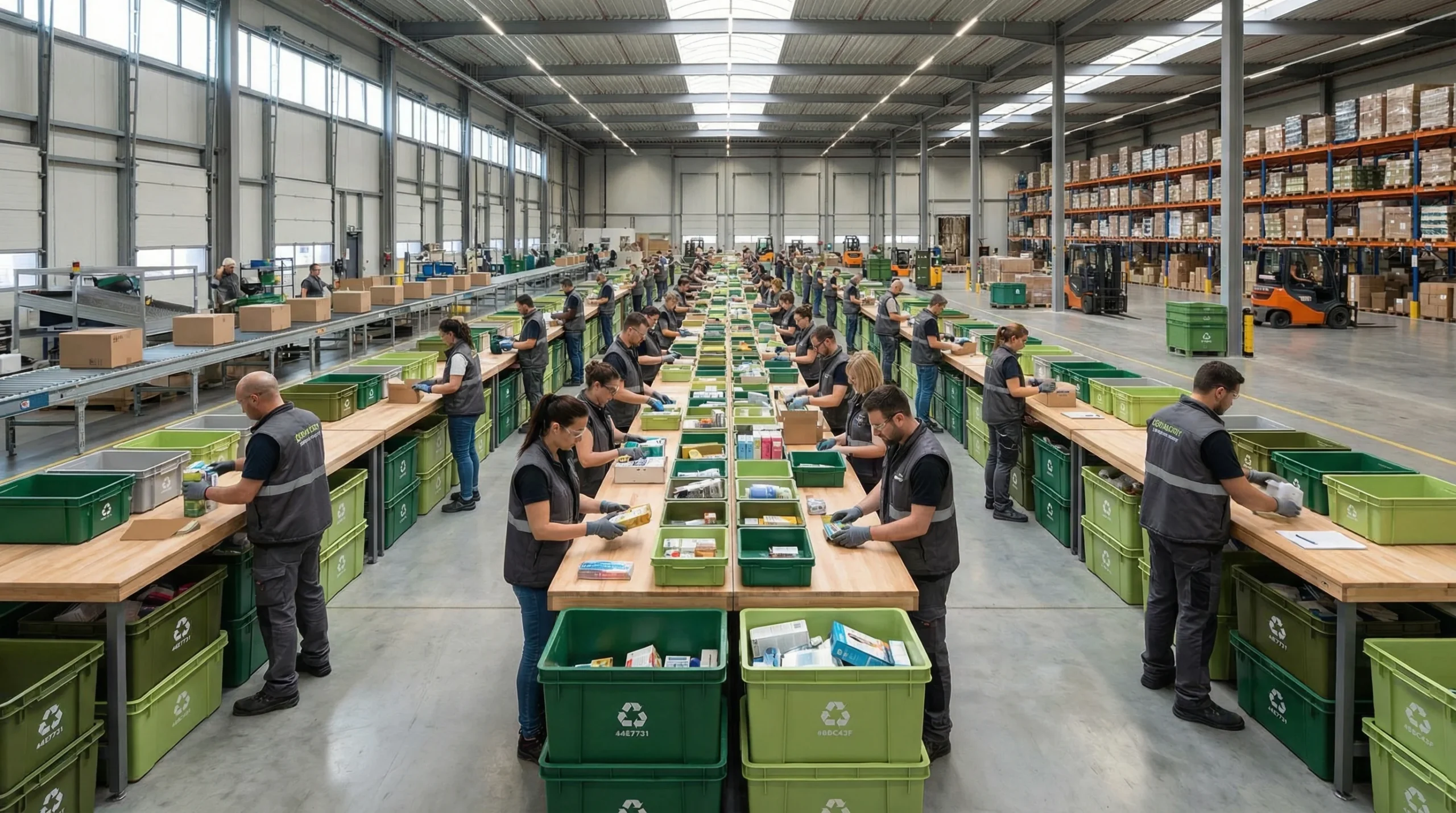
Mistake #5: Ignoring Geographic and Network Considerations
Selecting a third-party logistics provider 3PL based solely on their proximity to your current operations ignores the bigger picture of your distribution network. If your warehouse is in Ohio but 60% of your customers are on the West Coast, you’re paying for longer shipping times and higher transportation costs than necessary.
This mistake becomes more costly as shipping rates continue to rise and customers expect faster delivery. A centralized single-location strategy might have worked a decade ago, but today’s competitive landscape often demands a more distributed approach.
The Fix: Analyze Your Customer Geography and Optimize Accordingly
Start by mapping where your customers are located and calculating the shipping time and cost to reach them from various potential warehouse locations. This analysis might reveal that two strategically located warehouses would significantly reduce your average delivery time and shipping expense compared to a single facility.
Questions to guide your network analysis:
- Where are your customers concentrated geographically?
- What delivery speed do your customers expect and competitors offer?
- How would splitting inventory across multiple locations affect your carrying costs?
- Does your 3PL have multiple facilities or network partnerships?
- What transportation options are available from each potential location?
Many established 3PL providers offer multi-location solutions or can connect you with network partners to achieve broader coverage. Understanding these options early in your evaluation prevents you from locking into a single-location solution that constrains your future growth.
3PL vs 4PL: Understanding the Difference to Choose Correctly
A significant mistake businesses make is confusing 3PL and 4PL models or selecting the wrong one for their situation. Understanding what is a 3PL in logistics versus a 4PL helps you choose the model that best fits your needs, resources, and strategic objectives.
Defining the Models: Strategic Decision-Making
A third-party logistics provider 3PL manages specific logistics functions, typically warehousing and transportation, on your behalf. You maintain control of your supply chain strategy and typically manage relationships with multiple providers directly.
A 4PL, or fourth-party logistics provider, takes a broader role. They act as a single point of accountability for your entire supply chain, often managing multiple 3PLs and other service providers on your behalf. A 4PL focuses more on strategic oversight and optimization than on owning physical assets.
Key differences between the models:
- Asset ownership: 3PLs typically own or operate warehouses and sometimes transportation assets. 4PLs are usually asset-light, coordinating others’ resources.
- Scope of responsibility: 3PLs handle specific functions. 4PLs oversee the entire supply chain.
- Strategic involvement: 3PLs execute your logistics strategy. 4PLs help develop and manage that strategy.
- Client relationship: With a 3PL, you manage the relationship directly. With a 4PL, they manage multiple vendor relationships for you.
Choosing the Right Model for Your Business
The choice between 3PL and 4PL depends on several factors specific to your business situation. Neither model is inherently superior; the right choice depends on your needs, capabilities, and resources.
A third-party logistics provider 3PL typically works best when:
- You have internal supply chain expertise to manage strategy and vendor relationships
- Your logistics needs are relatively straightforward
- You want more direct control over specific operations
- You’re cost-conscious and want to avoid additional management layers
A 4PL might be more appropriate when:
- Your supply chain is highly complex with multiple modes and regions
- You lack internal logistics expertise or bandwidth
- You want a single point of accountability across all logistics functions
- Strategic optimization and continuous improvement are primary objectives
For many mid-sized businesses, a strong 3PL partnership with clear communication and solid order management processes provides the right balance of control, expertise, and cost efficiency. As you grow and your supply chain becomes more complex, you can evaluate whether a 4PL model would add value.
Mistake #6: Neglecting the Transition and Implementation Process
Selecting the right third-party logistics provider 3PL is only half the battle. Many businesses sabotage their new partnership by rushing the transition or failing to invest adequate resources in the implementation process. The result is a rocky start that poisons the relationship and creates lasting operational problems.
A poor transition can mean inventory inaccuracies from day one, systems that don’t communicate properly, and staff on both sides who don’t understand the correct processes. These problems often persist for months, eroding confidence and making it difficult to achieve the benefits you expected from the partnership.
The Fix: Plan Thoroughly and Allow Adequate Time
Treat the transition to a new 3PL as a major project deserving dedicated resources and attention. Establish a clear timeline with milestones, assign responsibility for each task, and build in contingency time for unexpected challenges.
Critical elements of a successful 3PL transition:
- Detailed inventory transfer plan including counts, locations, and condition verification
- System integration testing before going live with real orders
- Documented standard operating procedures for all recurring processes
- Training for staff on both sides covering systems, processes, and escalation procedures
- Parallel running period where you can catch problems before fully committing
- Clear communication plan for notifying affected parties (customers, suppliers, carriers)
Don’t try to save time by cutting corners during implementation. The investment you make in a proper transition pays dividends through smoother operations and fewer problems in the months and years ahead.
Case Studies: Learning from Common 3PL Partnership Failures
Examining why 3PL partnerships fail provides valuable lessons for businesses entering or managing these relationships. While specific company details vary, certain patterns appear repeatedly across industries.
The Misaligned Expectations Scenario
Consider a growing e-commerce brand that partnered with a 3PL primarily because they offered the lowest rates. The contract specified basic storage and fulfillment services, but the brand assumed the 3PL would proactively manage inventory levels and flag potential stockouts. The 3PL assumed they were only responsible for processing orders as received.
When a popular product ran out of stock during a promotional campaign, both parties blamed the other. The brand lost sales and frustrated customers. The relationship deteriorated rapidly, and within six months, the brand was searching for a new provider, incurring all the costs and disruption of another transition.
The lesson here? Assumptions are relationship killers. Every expectation should be explicitly documented and agreed upon. If you expect your 3PL to provide inventory alerts, that needs to be part of the contract with specific parameters defined.
The Technology Disconnect Scenario
A consumer products manufacturer selected a well-regarded third-party logistics provider 3PL with excellent references. However, the 3PL’s warehouse management system was outdated and couldn’t integrate directly with the manufacturer’s ERP system. Both parties agreed to make it work through manual workarounds.
Six months in, the manual processes were consuming hours of staff time daily on both sides. Errors crept in constantly due to double data entry. Inventory discrepancies averaged 8%, far above the 2% target. The manufacturer eventually had to invest significantly in custom integration development just to achieve acceptable data accuracy.
This scenario underscores why technology compatibility must be a qualifying criterion early in the selection process, not something you agree to work around later.
Lessons That Apply Broadly
Across various failed 3PL partnerships, common themes emerge that any business can learn from:
- Written agreements should cover all expectations, not just basic services and pricing
- Technology integration deserves significant due diligence before signing
- The cheapest provider often proves most expensive over time
- Cultural fit and communication style matter more than many businesses realize
- Transition planning requires dedicated resources and realistic timelines
- Ongoing relationship management prevents small issues from becoming major problems
Future Trends Affecting Third-Party Logistics Provider 3PL Partnerships
Understanding where the industry is headed helps you avoid the mistake of selecting a 3PL that isn’t prepared for tomorrow’s challenges. According to analysis from Supply Chain Dive, several significant trends are reshaping 3PL warehouse services and the broader logistics landscape.
Emerging Challenges to Prepare For
Labor availability continues to challenge warehouse operations nationwide. The 3PL you select should demonstrate how they’re addressing this through automation investments, competitive compensation, and employee retention programs. Providers who rely solely on easy access to low-cost labor may struggle as the market tightens further.
Customer expectations for delivery speed continue to intensify. Same-day and next-day delivery, once premium services, are becoming baseline expectations in many categories. This shift affects facility locations, inventory positioning strategies, and transportation networks. Your 3PL should have a clear perspective on meeting these evolving expectations.
Sustainability requirements are moving from nice-to-have to must-have for many businesses. Whether driven by regulatory requirements, customer demands, or corporate goals, the environmental impact of logistics operations faces increasing scrutiny. According to Logistics Management, leading 3PLs are investing in sustainable facilities, electric vehicle fleets, and carbon tracking capabilities.
Preparing Your Partnership for the Future
When evaluating 3PL warehouse services, consider not just current capabilities but future readiness. The right partner should be making investments that position them for where the industry is heading, not just where it is today.
Questions to assess future readiness:
- What automation investments has the 3PL made or planned?
- How are they addressing labor market challenges?
- What sustainability initiatives have they implemented?
- How does their technology roadmap align with industry trends?
- Can they support omnichannel fulfillment as customer expectations evolve?
A third-party logistics provider 3PL that isn’t investing in these areas may offer attractive rates today but could become a liability as the industry evolves. Your partnership should position you for success not just this year but for years to come.
Making Your 3PL Partnership Succeed Long-Term
Avoiding the mistakes outlined in this guide significantly improves your chances of 3PL success. But beyond avoiding problems, proactive management practices help you maximize the value of your partnership over time.
Establish a governance structure with regular touchpoints at multiple levels. Operational teams should connect frequently to address day-to-day issues. Strategic reviews should occur quarterly to evaluate performance, discuss upcoming needs, and identify improvement opportunities.
Invest in your internal team’s logistics knowledge. Even though you’re outsourcing operations to a 3PL, you need staff who understand logistics well enough to manage the relationship effectively, interpret performance data, and identify when problems need escalation.
Finally, maintain relationships with alternative providers even when your current partnership is thriving. Market conditions change, businesses evolve, and knowing your options keeps you from feeling trapped if your current relationship deteriorates. Annual check-ins with alternative providers also give you useful benchmarking data.
Taking the Next Step with Your Supply Chain Strategy
Understanding what is a 3PL in logistics and how to avoid common partnership mistakes positions you to make better decisions for your business. The right third-party logistics provider 3PL partnership can transform your supply chain from a source of problems into a genuine competitive advantage.
Whether you’re evaluating 3PL warehouse services for the first time or looking to improve an existing relationship, the principles outlined here apply. Focus on total value rather than just price. Prioritize technology integration from the start. Define clear performance expectations. Build genuine partnerships rather than transactional vendor relationships.
Your supply chain deserves the same strategic attention as your product development, marketing, and sales functions. With the right approach and the right partners, logistics becomes an enabler of growth rather than a constraint.
Ready to explore how modern warehouse management solutions can support your 3PL strategy? Contact our team for a personalized consultation about your specific supply chain challenges. You can also learn more about warehouse management solutions that help businesses like yours achieve operational excellence. For ongoing insights and industry updates, subscribe to our newsletter and stay ahead of the trends shaping the future of logistics.
Frequently Asked Questions
What is a 3PL in logistics and why is it important?
A 3PL in logistics is a third-party logistics provider that manages logistics operations for businesses. It is important because it helps companies reduce costs and improve efficiency by leveraging specialized expertise and infrastructure. This includes services like warehousing, transportation, and inventory management, which can be costly and complex to manage internally. Partnering with a 3PL allows businesses to focus on core operations while improving customer satisfaction through faster delivery times.
How do third-party logistics provider 3PL partnerships benefit businesses?
Third-party logistics provider 3PL partnerships benefit businesses by reducing logistics costs and increasing operational efficiency. These providers offer specialized services such as warehousing, transportation management, and order fulfillment, which can streamline supply chain processes. By outsourcing these functions, companies can avoid the expense of building their own logistics infrastructure. Additionally, 3PLs bring expertise and technology investments that enhance service quality, ultimately leading to improved customer satisfaction and competitive advantage.
What services do 3PL warehouse services typically include?
3PL warehouse services typically include receiving, storage, inventory management, and order fulfillment. They manage the physical movement and storage of goods, allowing businesses to focus on their core activities. These services also encompass transportation management, including carrier negotiation and freight management. By providing these comprehensive solutions, 3PLs help businesses reduce logistics costs and improve efficiency, which can significantly enhance overall supply chain performance.
Why should companies understand what is a 3PL in logistics?
Companies should understand what is a 3PL in logistics to optimize their supply chain operations. A 3PL provider handles logistics tasks such as warehousing, transportation, and order fulfillment, which can be complex and costly to manage internally. By understanding the role and benefits of a 3PL, businesses can make informed decisions about outsourcing these functions, leading to cost savings, improved efficiency, and enhanced customer satisfaction. This knowledge is essential for maintaining a competitive edge in today’s market.
What are common mistakes when selecting a third-party logistics provider 3PL?
Common mistakes when selecting a third-party logistics provider 3PL include failing to assess compatibility, ignoring technological capabilities, and overlooking cost structures. Companies often choose 3PLs based solely on cost, neglecting to consider service quality and alignment with business goals. Additionally, not evaluating a provider’s technology and adaptability can lead to inefficiencies. To avoid these pitfalls, businesses should thoroughly vet potential partners, focusing on their expertise, infrastructure, and ability to scale with the company’s needs.
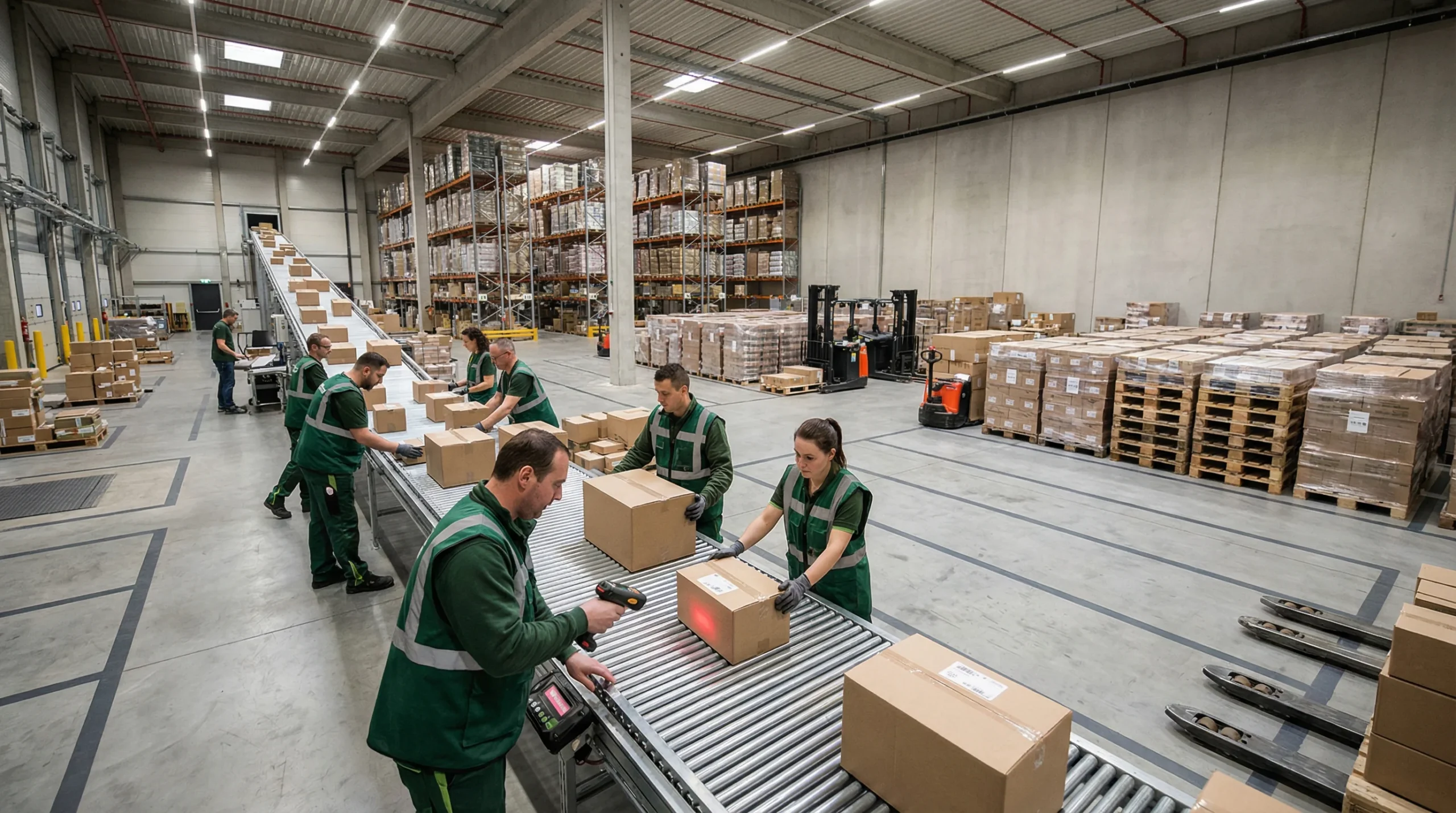
How a 3PL Warehouse Management System Transforms Operations
Explore the benefits and strategies of 3PL warehouse management systems for optimal logistics efficiency.
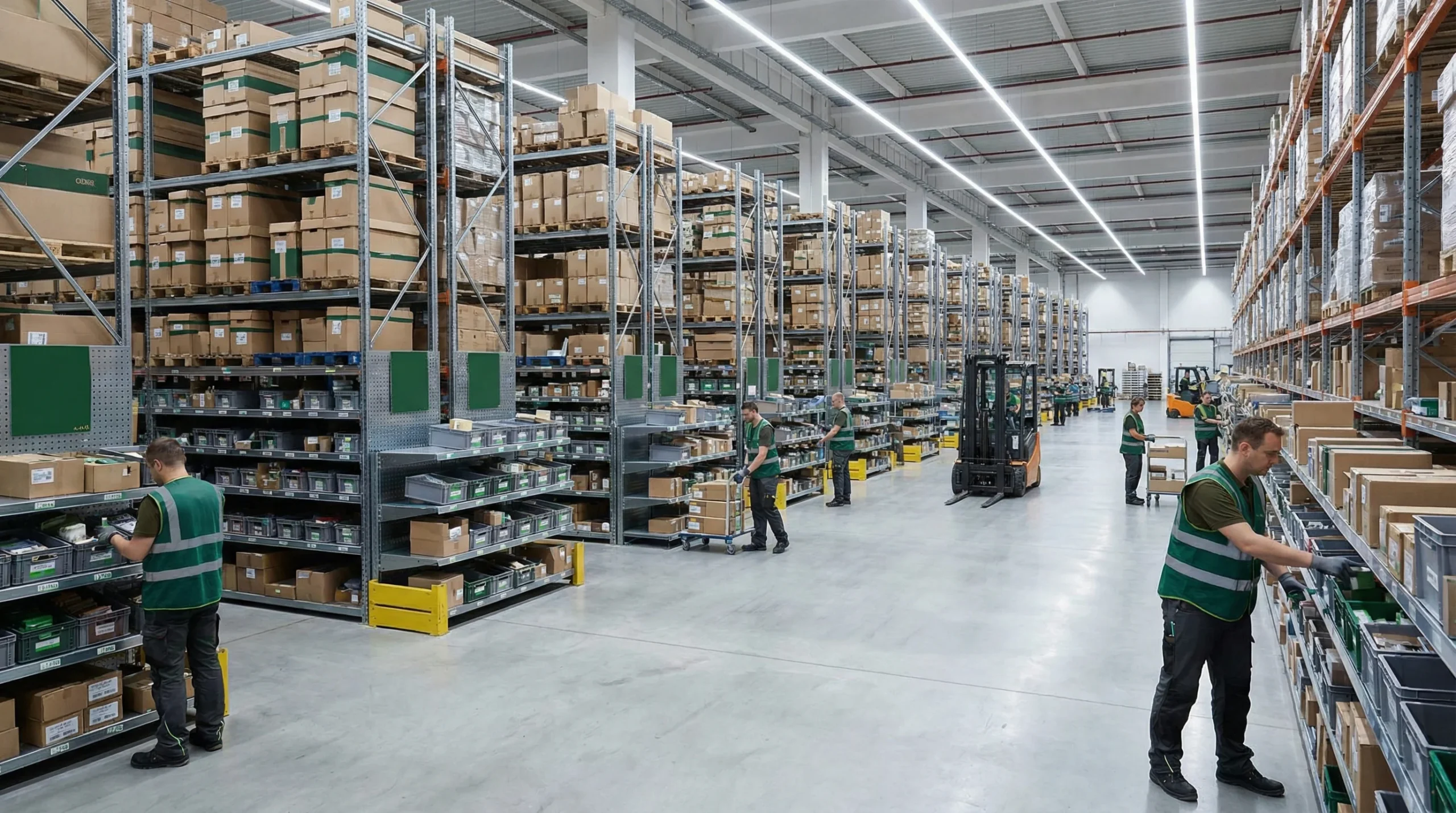
3PL Software: Features, Benefits, and How to Choose
Discover the benefits of 3PL software for efficient warehouse management and inventory control.
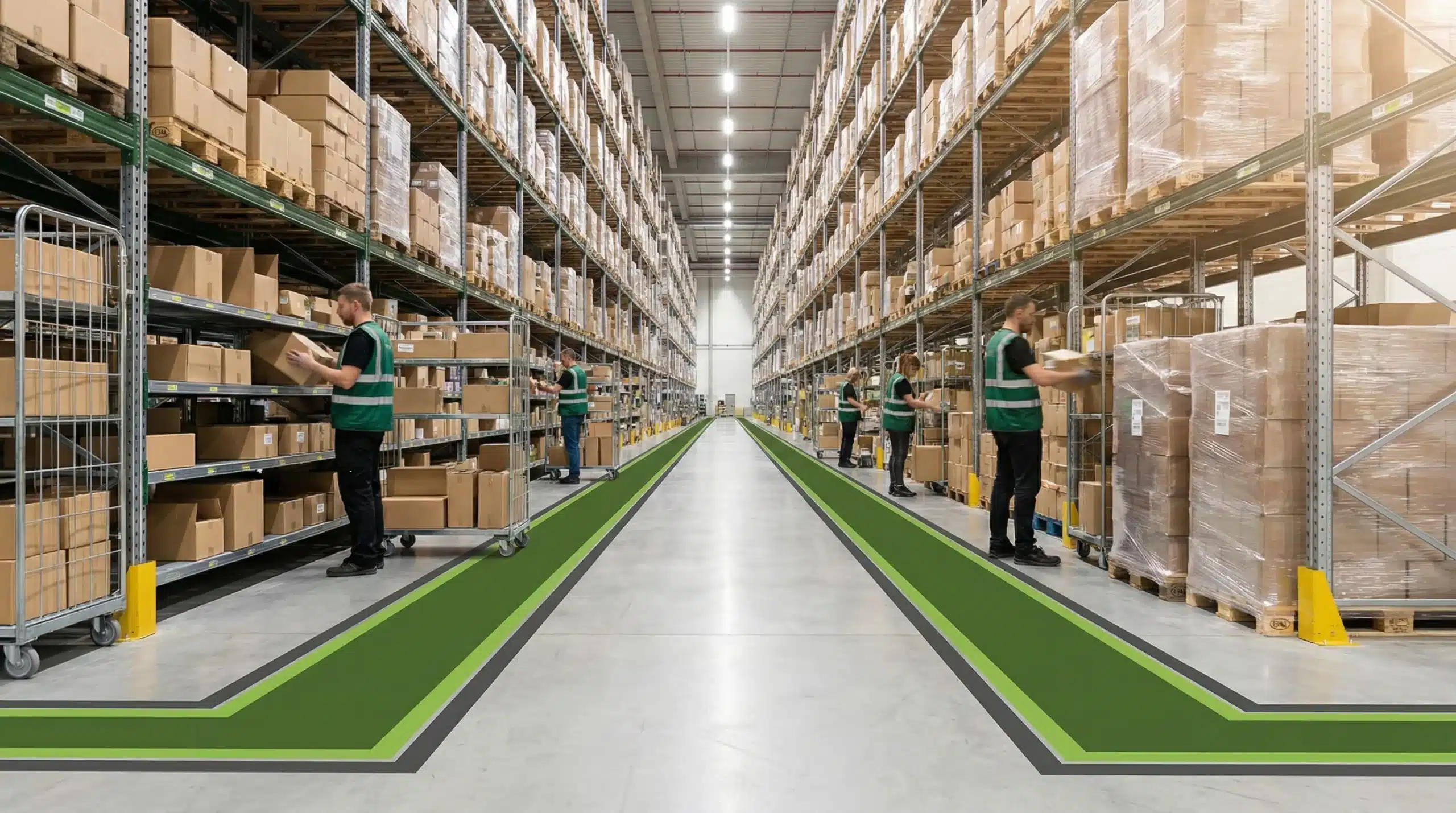
The Power of WMS Organization: A Complete Guide
Explore the benefits of WMS organization, system examples, and WMS vs OMS insights. Optimize your warehouse operations today.