
Published: February 7, 2023 |
Updated: February 17, 2026 |
Reading Time: 7mins |
By: Sean Sullivan
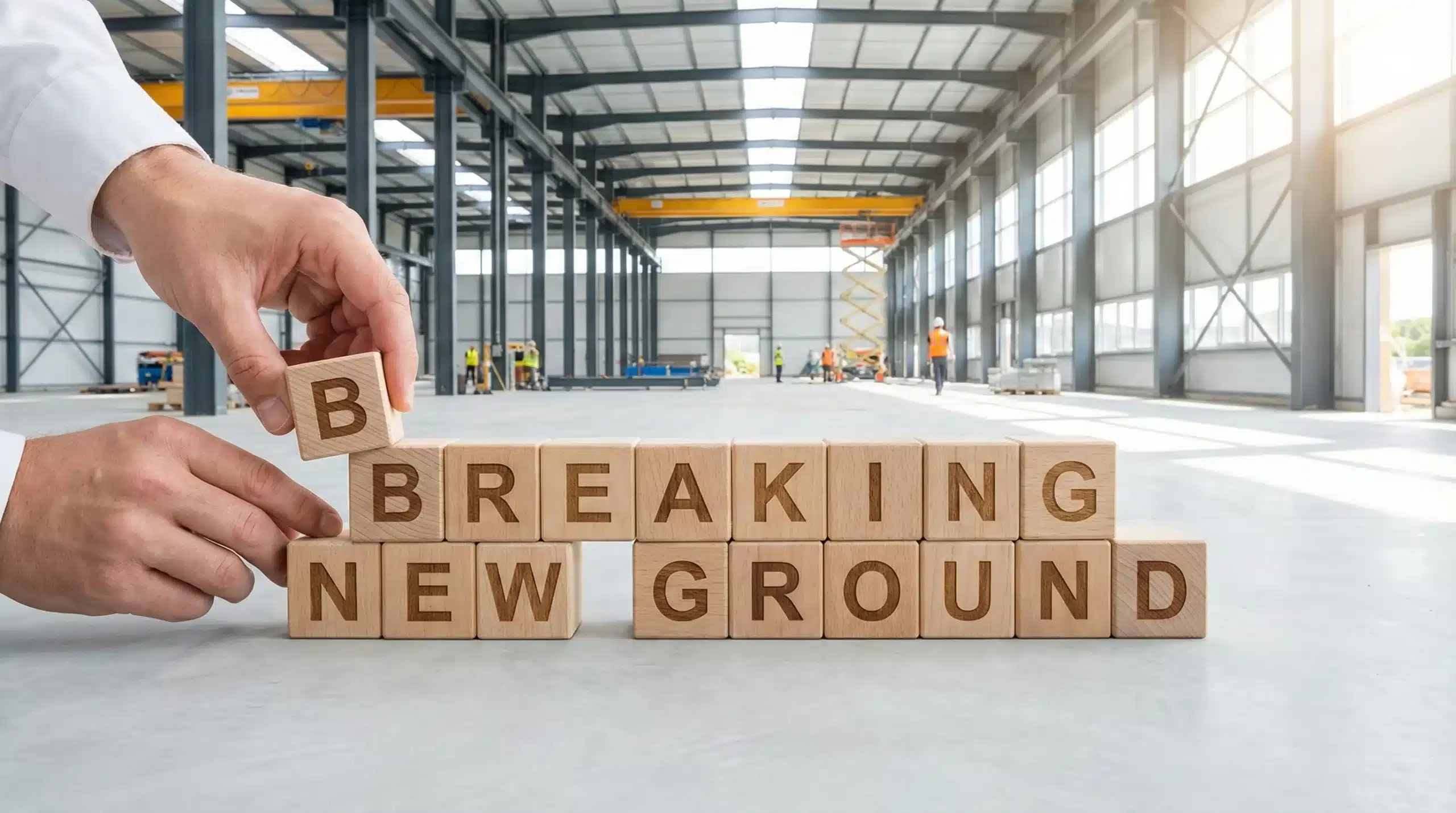
In 2022, 39% of 3PLs said that one of the most significant opportunities for expanding their business in 2023 was adding distribution centers in new locations. If you’re considering starting a new third party logistics (3PL) warehouse from scratch or adding warehouse locations, there are several considerations to take into account. Here’s a look at some helpful supply chain management information and the most important factors to keep in mind to reach your warehouse space goals.
What is 3PL Warehousing?

Third Party Logistics is a process used by supply chain professionals to outsource certain logistics operations like storing products, managing inventory, and fulfilling orders to a company that specializes in the process. Common services offered by third-party logistics warehouses include:
- Proper inventory management
- Best practices for picking and packing products
- Proper storage space for inventory on-hand
- Reduces the need for additional warehouse space
- Streamlined shipping logistics
- Real-time information on inventory levels, logistics operations, and tracking through the supply chain
By outsourcing to a third party logistics warehouse, businesses have more time and resources available to focus on core business functions such as customer service or marketing, while maintaining a competitive advantage and customer expectations. Choosing to outsource fulfillment through a third-party logistics warehouse can also help lower total costs as these providers often use successful inventory management software systems, like Argos to meet order demand.
Multi-client billing, customer portals, and warehouse workflows tailored for 3PL operations. Streamline your supply chain with Argos.
Request a Demo

Benefits of Using a Third-Party Warehouse

A 3PL warehouse offers a variety of benefits to businesses to store products and fulfill orders off-site.
- By outsourcing their warehousing needs, organizations have access to industry-leading space utilization and optimization, inventory management, technology integration, expanded order fulfillment capabilities, and cost savings.
- 3PL warehouses can provide improved customer service through better turnover on current inventory, a faster shipping process, and increased reliability, in addition to extensive fulfillment center functions.
- Through real-time shipment tracking systems, organizations can confidently monitor the movement of customer orders from origin to destination – allowing them to remain up-to-date and respond quickly when needed.
Ultimately, these advantages help businesses transition towards a more efficient and profitable workflow by leveraging end-to-end logistics solutions.
What to Consider for a 3PL Warehouse Expansion or Start-up

A third party logistics warehouse expansion or start-up requires a significant amount of intricate planning. A range of factors must be considered, such as:
- What type of warehouse space and management systems are available to support current and future needs
- Operating budget and upfront costs
- New staffing requirements
- Potential logistics operations challenges that could arise
- Choosing an optimal third-party logistics warehouse location for more space
- Installing or expanding your warehouse management system (WMS) software
- Necessary infrastructure (electricity, water supply, internet, etc.)
- Picking logistics service providers who will help optimize processes like efficient goods transportation and order delivery
These steps will help ensure that your third-party logistics warehouse locations encompass all the components you need for transforming your fulfillment operations into powerful ecosystems influential on long-term success.
What Companies Look for in Third-Party Logistics Providers
Choosing the right 3PL provider can be critical to the success of an organization’s supply chain management. They will evaluate several key items when selecting a 3PL, such as their track record when it comes to efficiency, reliability, and accuracy, as well as their capacity to meet customer demand.
- Be sure to highlight what benefits your 3PL can provide that make it stand out from the competition.
- Explain how your third-party logistics processes are different from those of other fulfillment centers.
- Show potential customers how you can save them money and increase their sales.
- Highlight your 3PL’s commitment to supply chain excellence and your expertise in the industry.
- Promote your warehouse technology and WMS software for real-time inventory levels, the ability to fulfill orders quickly, and shipment tracking.
Ultimately, due diligence is key to presenting your third-party warehouse above the rest as the best choice to meet both the present and future needs of a prospect’s business.
Scalable WMS Software for 3PL Warehouse Expansion
Your clients rely on you to meet demand and fill customer orders daily and without interruption. When considering starting a third-party logistics warehouse or expanding your current operations, you must employ a top-rate WMS provider that offers a scalable and flexible warehouse management system solution.
Argos is a truly flexible warehouse expansion solution, where you can choose not only the right warehouse operational functionality for a start-up but the ability to easily work in conjunction with multiple fulfillment center locations. Argos offers additional modules to completely customize your inventory system as needed, even for warehouse expansion.
As warehouse inventory management system experts, Argos understands your third-party logistics business, whether it is large or small! With over 40 years of experience, our employees are dedicated to your success and help guide you through the best warehouse management system for your fulfillment centers. Contact us today to learn more!
We hope you found this information helpful if you are considering starting up a new 3PL or warehouse expansion. We look forward to hearing from you!
Frequently Asked Questions
What should I consider before starting a 3PL warehouse business?
Evaluate market demand for logistics services in your area and identify your target client segments. Assess your operational expertise, capital resources, and competitive advantages. Develop a solid business plan with realistic financial projections. Understand the technology, staffing, and facility requirements. Consider starting with a niche focus before expanding services.
How do I price 3PL services competitively while maintaining profitability?
Analyze your costs thoroughly including labor, facility, technology, and overhead expenses. Research competitor pricing in your market. Structure pricing models that align with how you incur costs, whether storage-based, transaction-based, or hybrid. Build in margin for unexpected costs and profit. Review pricing regularly as costs and market conditions change.
What technology is essential for a new 3PL operation?
A warehouse management system designed for 3PL operations is essential for managing multiple clients efficiently. Barcode scanning improves accuracy across all processes. Client portals provide visibility and self-service capabilities. Integration capabilities connect with client systems and carriers. Start with core functionality and add capabilities as your operation grows.
How do I attract and retain 3PL clients?
Attract clients through targeted marketing, industry networking, and referrals from satisfied customers. Demonstrate expertise in their industry vertical and flexibility to meet their needs. Retain clients through consistent service quality, transparent communication, and continuous improvement. Regular business reviews identify opportunities to add value and address concerns proactively.
When should a 3PL consider expanding to additional facilities?
Consider expansion when existing capacity limits growth opportunities, client demand requires geographic coverage you cannot provide, or acquisition opportunities align with your strategy. Ensure your processes and technology can scale effectively. Expansion should follow proven success in current operations. Plan carefully as additional facilities increase management complexity significantly.
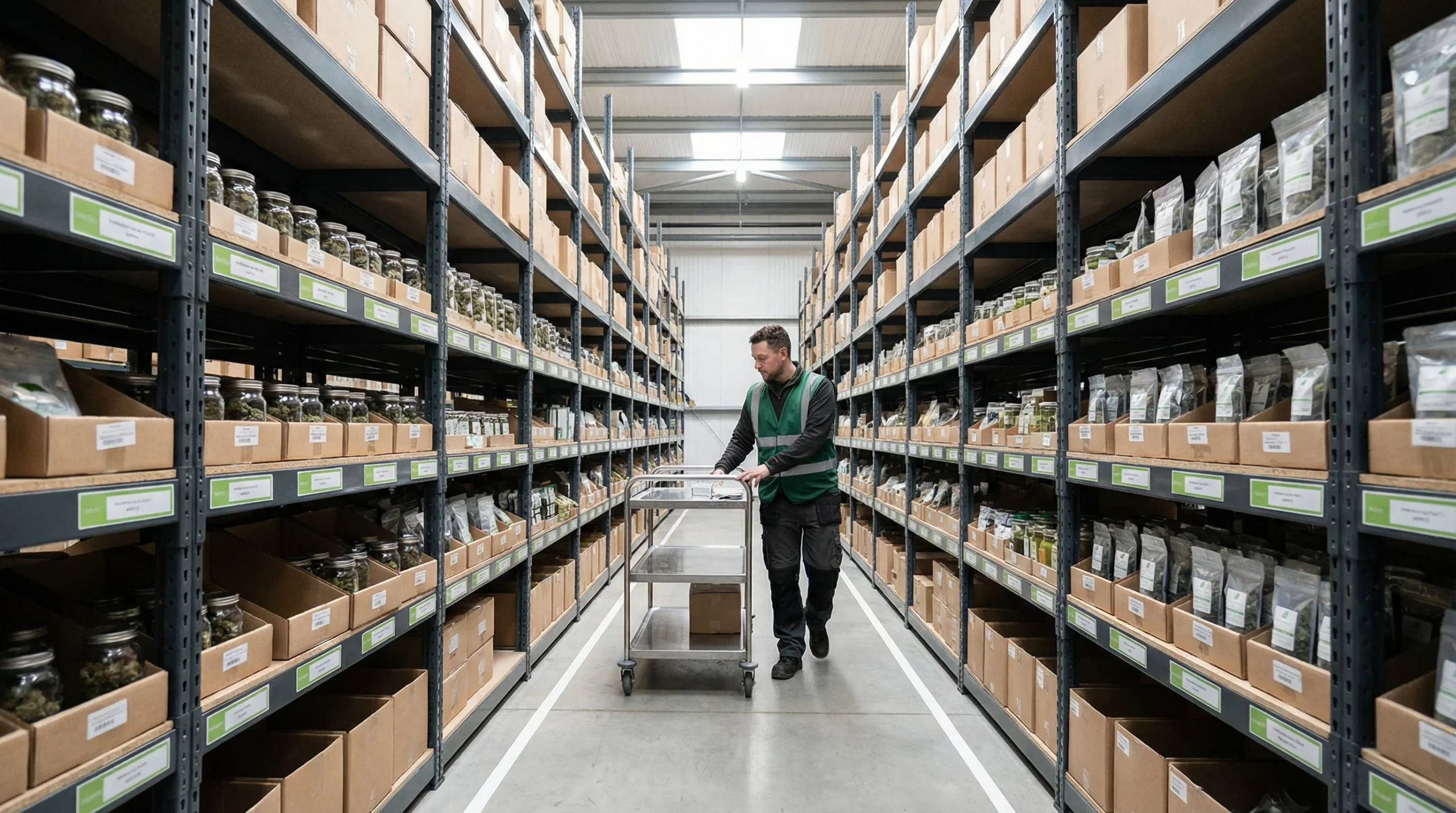
Essential Cannabis Warehouse Management Strategies
Discover effective cannabis warehouse management with key inventory strategies and software solutions. Optimize your operations today!

Third-Party Logistics Services: Your Complete Guide
Discover how 3PL services can transform your logistics strategy. Learn about warehouse and logistics services, top companies, and future trends.
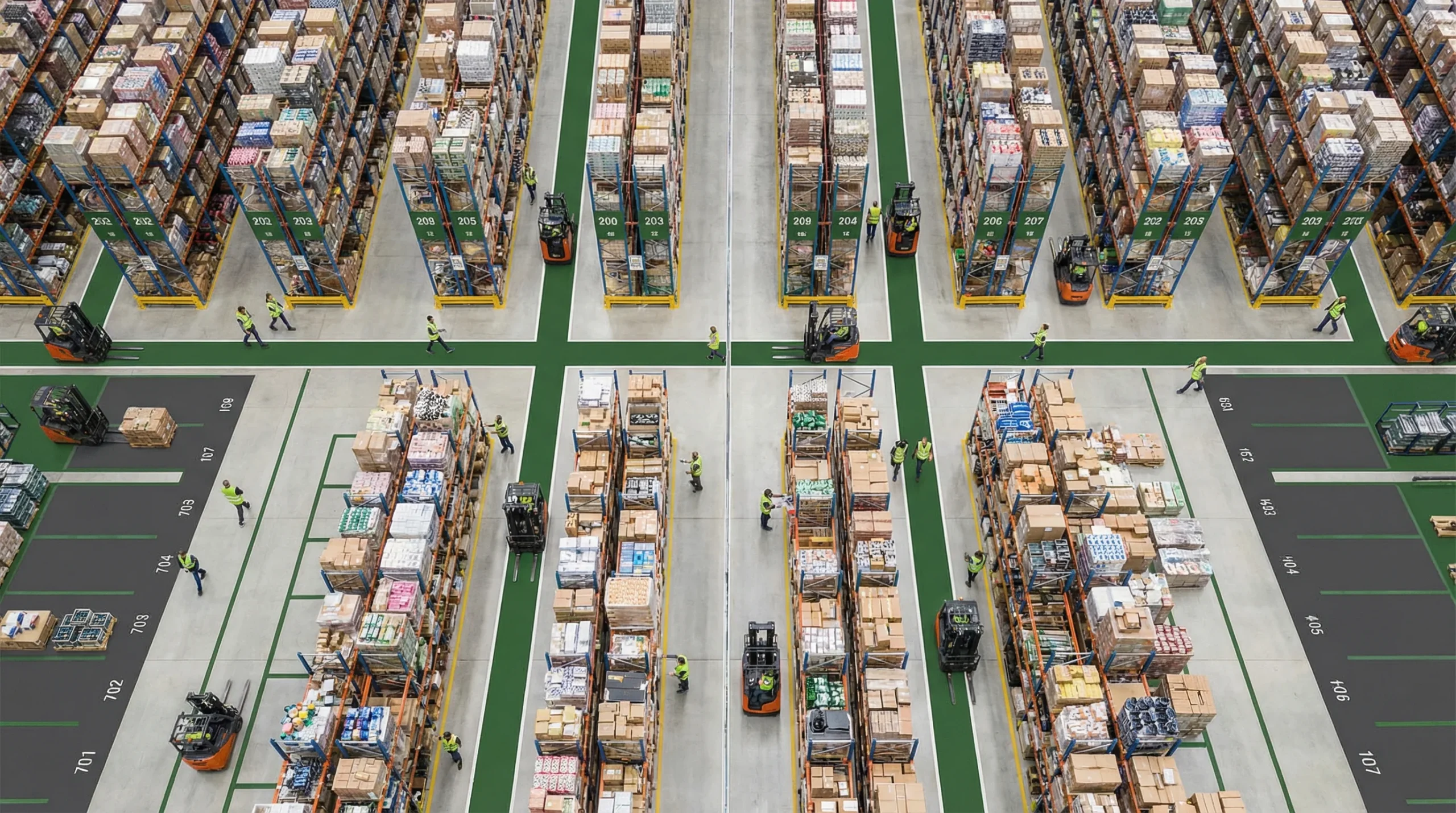
3PL Logistics Explained: Services, Models, and Benefits
Discover how 3PL logistics can transform your supply chain with our comprehensive guide.