
Published: June 21, 2018 |
Updated: February 17, 2026 |
Reading Time: 8mins |
By: Sean Sullivan
What do the top supply chain management companies have in common? Is there a “secret sauce” that only the supply chain masters know? What is it that the largest companies know?
Walmart and PepsiCo are the companies with the best supply chain management, according to the latest report by Kantar-Retail Poweranking, a retail analytics firm in Norwalk, Connecticut. According to the company, over 550 manufacturer and retailer respondents participated in the annual study.
Top Supply Chain Management Best Practices
The Top Suppliers
Pepsico topped the list of companies with the best supply chains according to retailers, gaining nearly 43% approval for its 2021 performance. Retailers noted that the company had the best supply chain management because it loses very little product at the store level and is able to move product in and out of the warehouse at top speed.
One of PepsiCo’s top priorities is investing in digital tools and advanced technologies to create a more efficient, streamlined supply chain WMS solutions. Focuses include data integration to help the company better meet consumer demands and sophisticated data analytics to drive a more streamlined and cost-efficient chain.
PepsiCo recently revealed plans to become net water positive—replenish more water than it uses—by 2030. If successful, the company will be among the most water-efficient food or beverage manufacturers operating in high-risk watersheds.
PepsiCo is once again at the top of the list, followed by Coca-Cola and Procter & Gamble.
- Retailers said Coca-Cola has good communication and has superior handling of old stock while making sure new stock is replenished.
- For Procter & Gamble, the report says the company deals well with customer unpredictability.
- Rounding out the top five are Apple and Kraft Heinz who ranked 6th and 8th respectively in 2020.
The Top Retailers
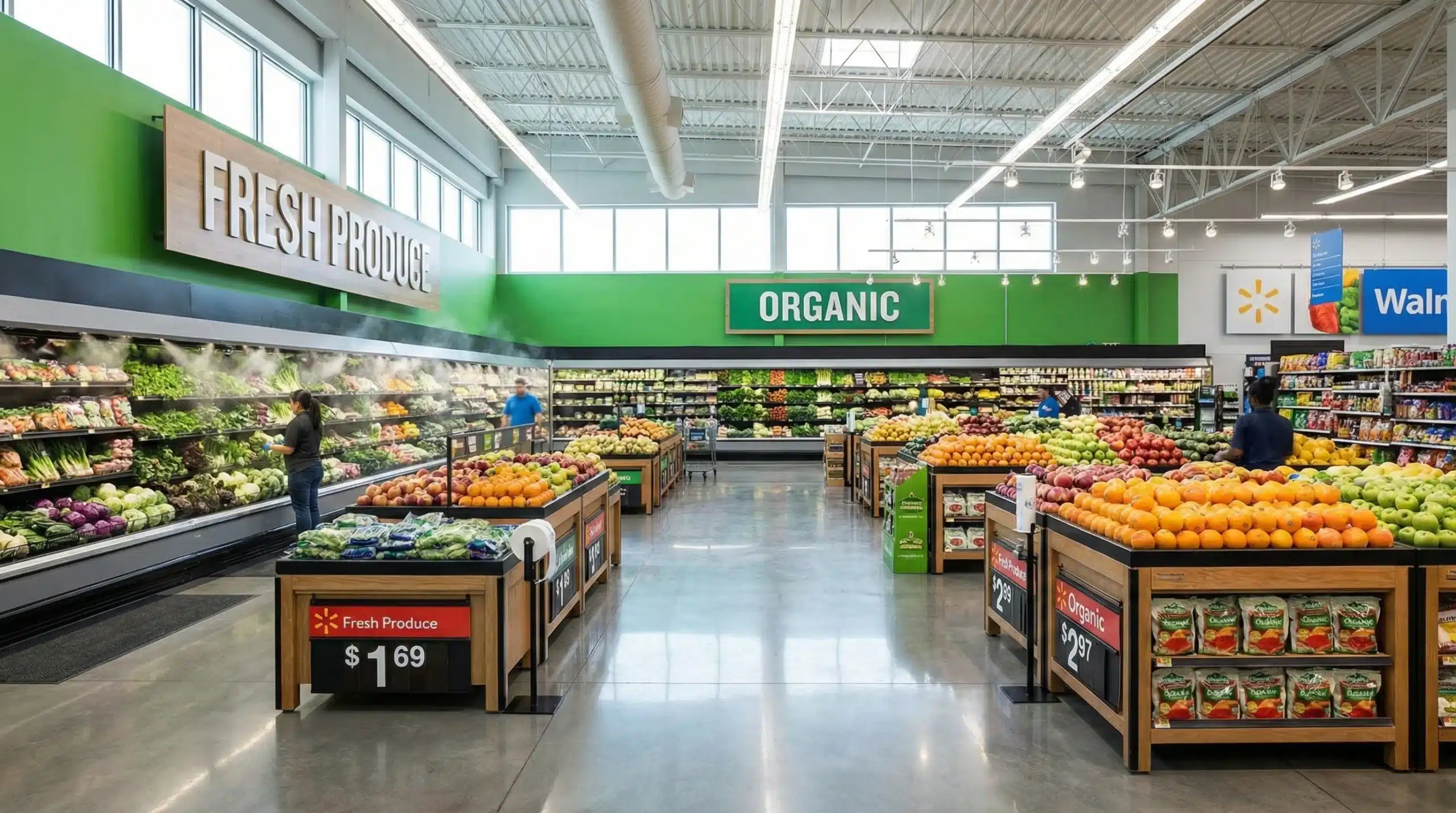
Among retailers, Walmart again tops the list of superior supply chain partners. The report said that Walmart knows how to drive costs out of the systems to efficiently deliver products and ensure minimal damage in the process.
Walmart’s supply chain is often touted as one of the most effective in the world. In the past two years alone, Walmart has invested $11 billion in e-commerce, supply chain vendor relationships, and technology. The company launched Walmart+, which rivals Amazon Prime, implemented a range of new fulfillment options — such as touchless curbside pickups.
Target switched places with Kroger this year to take the #2 spot. Amazon and Costco continue in 4th and 5th place again. The report noted Kroger’s strong data accountability and strong reporting as well as Costco’s superior focus on forecasting, availability, lead times, and consistency.
In ranking retailers, the company focused on data-centric practices, supply chain management, branding, and treating retail as a service.
Top Supply Chain Management Practices
While there was no one consistent activity that all the top companies did equally well, it is clear that they all have something in common. These supply chain companies all use a warehouse management system (WMS).
Good WMS software is essential to your having the visibility to not lose product, to efficiently manage and turn stock, and to generate the data that will help you master all the other requirements of being an excellent supply chain partner.
How Things Changed … and Stayed the Same
Amid severe and ongoing supply chain risk reduction disruptions, top organizations were capable of juggling conflicting priorities to operate agile, robust, transparent, and ethical supply chains. Gartner’s Supply Chain Top 25 for 2021 celebrates companies whose supply chain strategies have shown them to be purpose-driven, disruptive, and early adopters of technology.
In ranking retailers, the company focused on data-centric practices, supply chain management, branding, and treating retail as a service.
Top Supply Chain Management Practices
While there was no one consistent activity that all the top companies did equally best, it is clear that they all have something in common. They all use a warehouse management system (WMS).
Good WMS software is essential to your having:
- the visibility to not lose product,
- to efficiently manage and turn stock, and
- to generate the data that will help you master all the other requirements of being an excellent supply chain partner.
Contact Argos to see how our WMS can improve your supply chain management control.
How the Gartner Supply Chain Top 25 Evaluates Companies
The Gartner Supply Chain Top 25 ranking system uses a comprehensive methodology that goes far beyond simple revenue metrics. Gartner evaluates companies based on four key performance indicators: return on assets (ROA), inventory turns, revenue growth, and peer opinion scores collected through industry surveys. This multi-dimensional approach explains why certain companies consistently dominate the rankings year after year.
The financial metrics carry significant weight in the evaluation. ROA measures how efficiently companies convert their supply chain investments into profits, while inventory turns indicate how quickly products move through the system. Revenue growth demonstrates a company’s ability to scale operations effectively. However, what sets the Gartner Supply Chain Top 25 apart is its inclusion of peer opinion—where supply chain executives rate their industry competitors on innovation and best practices.
Food companies face particularly complex supply chain challenges, which is why they often excel in these rankings. Managing perishable goods requires sophisticated cold chain logistics, precise demand forecasting, and rapid inventory turnover. The PepsiCo rank reflects the company’s mastery of these complexities, consistently placing in the top five positions due to their advanced digital supply chain capabilities and efficient management of diverse product portfolios across multiple temperature requirements.
Several companies with similar product portfolio to PepsiCo also demonstrate excellence in the Gartner rankings. Nestlé, Unilever, and Mondelez International regularly appear in the top 25, showcasing how consumer packaged goods companies with mixed ambient and refrigerated products have developed sophisticated supply chain competencies. These organizations manage complex product portfolios spanning snacks, beverages, and packaged foods—similar to PepsiCo’s diverse offerings.
The Gartner methodology has evolved significantly over the past decade to reflect changing industry priorities. Earlier rankings focused primarily on cost efficiency and speed. Today’s evaluation incorporates environmental, social, and governance (ESG) factors, digital transformation maturity, and supply chain resilience capabilities. Companies now earn recognition for sustainable packaging initiatives, carbon footprint reduction, and supplier diversity programs alongside traditional operational metrics.
Applying Supply Chain Best Practices to Your Warehouse
Mid-market warehouses and third-party logistics providers can implement many of the same strategies that drive success for companies in the Gartner Supply Chain Top 25. The key lies in adapting enterprise-level best practices to fit smaller operational scales and budgets.
Inventory visibility represents the foundation of world-class supply chain management. Coca-Cola maintains real-time visibility across thousands of SKUs and distribution points through integrated technology systems. Smaller operations can achieve similar results by implementing modern warehouse management systems that provide instant access to stock levels, locations, and movement history. This visibility enables proactive decision-making rather than reactive firefighting.
Data-driven forecasting separates top performers from average competitors. Walmart processes billions of data points daily to predict demand patterns and optimize inventory positioning. While smaller operations may not have Walmart’s data volume, they can apply the same analytical principles. Modern WMS platforms offer demand planning modules that analyze historical sales patterns, seasonal trends, and customer behavior to generate accurate forecasts for future inventory needs.
Supplier collaboration creates competitive advantages through shared information and aligned incentives. Procter & Gamble’s supplier portal allows vendors to access real-time demand signals and adjust production schedules accordingly. Smaller warehouses can implement similar collaboration tools through cloud-based platforms that give suppliers visibility into inventory levels and upcoming orders. This transparency reduces stockouts, minimizes excess inventory, and improves overall supply chain responsiveness.
Technology enablement makes these capabilities accessible to operations of all sizes. A comprehensive warehouse management system serves as the digital backbone that connects inventory management, forecasting, and supplier collaboration functions. Whether you’re managing food companies‘ products that require temperature control, consumer electronics with rapid obsolescence cycles, or industrial components with long lead times, the core principles remain consistent.
The most successful mid-market operations focus on incremental improvements rather than attempting wholesale transformations. Start with accurate inventory tracking, then build toward predictive analytics and supplier integration. The lessons learned from the Gartner Supply Chain Top 25 demonstrate that operational excellence comes from consistent execution of fundamental practices, supported by appropriate technology investments that scale with business growth.

Frequently Asked Questions
How often is the Kantar-Retail supply chain ranking study conducted?
The Kantar-Retail Poweranking study is conducted annually. The study surveys over 550 manufacturer and retailer respondents each year to evaluate supply chain performance. This annual frequency allows companies to track their progress year-over-year and identify emerging trends in supply chain excellence across different industries.
What specific technologies do top supply chain companies invest in?
Leading supply chain companies prioritize digital tools, advanced data analytics, and warehouse management systems (WMS). PepsiCo focuses on data integration and sophisticated analytics to streamline operations and reduce costs. Walmart has invested $11 billion in e-commerce, supply chain technology, and digital fulfillment options like touchless curbside pickup over the past two years.
Why did Target move ahead of Kroger in the rankings?
The article indicates that Target switched places with Kroger to take the #2 retailer spot, but doesn’t specify the exact reasons for this change. However, the study evaluates retailers based on data-centric practices, supply chain management effectiveness, branding strength, and how well they treat retail as a service to determine rankings.
How do supply chain disruptions affect ranking criteria?
During severe supply chain disruptions, ranking criteria emphasize agility, robustness, transparency, and ethical operations. Top organizations must demonstrate their ability to juggle conflicting priorities while maintaining efficient operations. Companies that are purpose-driven, disruptive, and early adopters of technology tend to perform better during challenging periods according to industry analysts.
What makes warehouse management systems essential for supply chain success?
Warehouse management systems provide critical visibility to prevent product loss, enable efficient inventory management and stock turnover, and generate essential data for decision-making. All top-performing supply chain companies identified in the study use WMS technology. These systems help companies meet the fundamental requirements of being an excellent supply chain partner.
Essential Cannabis Warehouse Management Strategies
Discover effective cannabis warehouse management with key inventory strategies and software solutions. Optimize your operations today!

Third-Party Logistics Services: Your Complete Guide
Discover how 3PL services can transform your logistics strategy. Learn about warehouse and logistics services, top companies, and future trends.
3PL Logistics Explained: Services, Models, and Benefits
Discover how 3PL logistics can transform your supply chain with our comprehensive guide.