
Published: March 19, 2022 |
Updated: February 17, 2026 |
Reading Time: 7mins |
By: Sean Sullivan
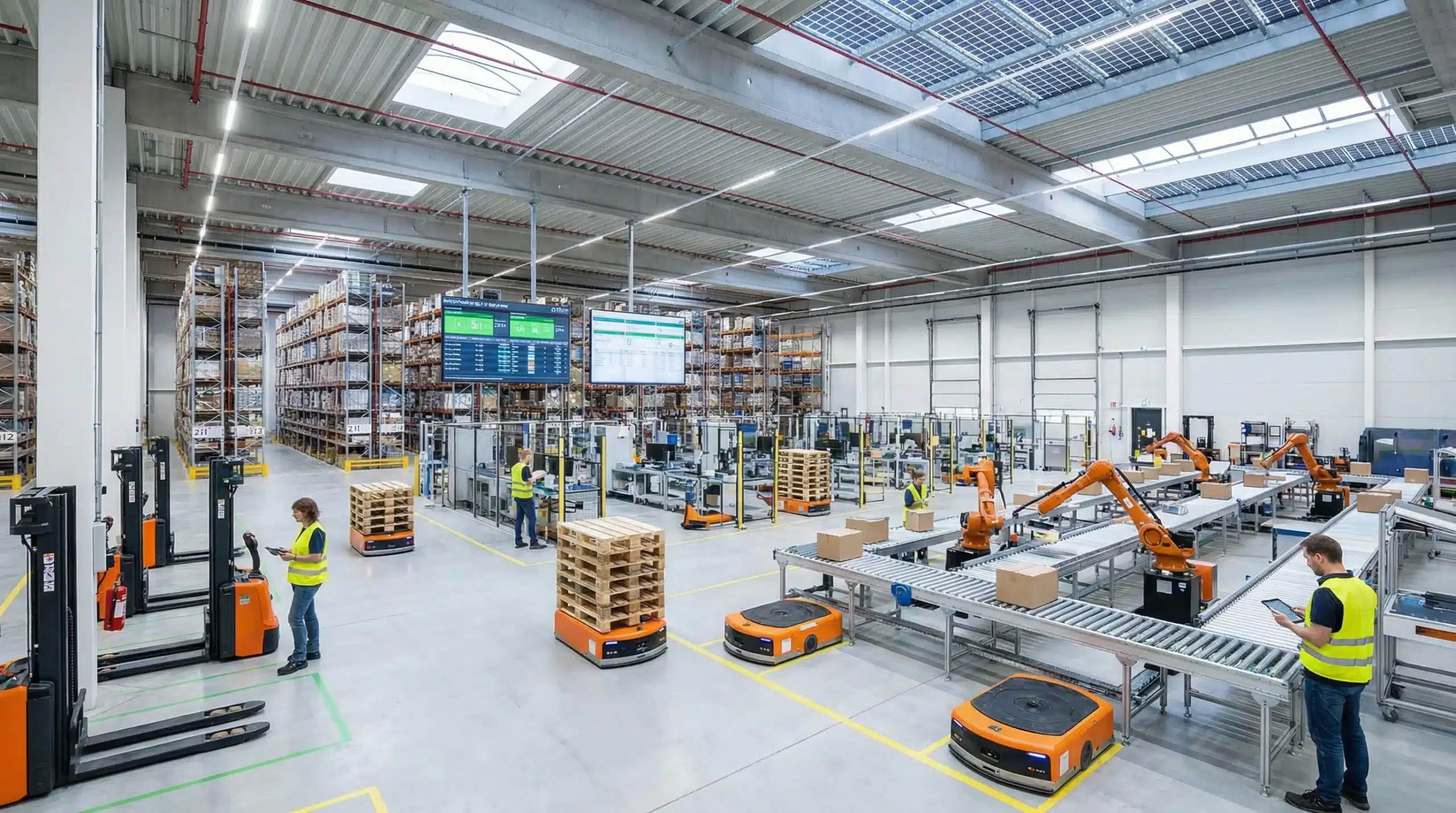
Modern warehouses have one thing in common – new technology integrations. Automatic and computerized operations give people, information networks, and machinery the ability to work together to produce, pick, package, and ship products without hassle. This level of efficiency can be realized through adopting state-of-the-art warehouse technology into business operations, such as top-tier warehouse and inventory management software, wearable and mobile tech, RFID, and, in some cases, robotic equipment.
It all starts with utilizing advanced warehouse and inventory management software as part of your daily operations. 3PL facilities can realize increased capabilities through real-time inventory access, embedded cost accounting, detailed, automated reports, and variable logistics scheduling from advanced management software. Choosing warehouse management software that can work with any previously-established system API offers even more benefits. With all operational system components working together, daily business becomes much easier and more cost-effective.
The latest innovations in wearable and mobile technology have also been adopted by modern warehouses and producers to keep operations running seamlessly. Employees can locate, pick, pack, and ship products with ease because these technologies work directly with their system software, improving efficiency. A recent Inbound Logistics report noted that 44% of respondents to a 2019 study by warehouse technology provider Zebra are using wearable tech, and over 90% expect to adopt wearable mobile computers by 2028. Modern warehouses and producers who adopt these innovative technologies along with RF, RFID, voice picking, and sensor and auto-identification scanning can provide a competitive edge for their business.
IoT and Sensor Technology in Modern Warehouses
The Internet of Things (IoT) has revolutionized warehouse operations by creating interconnected networks of smart devices that continuously monitor and optimize facility conditions. Environmental sensors track temperature and humidity levels throughout the warehouse, ensuring product integrity for sensitive items like pharmaceuticals, food products, and electronics. These sensors automatically alert managers when conditions drift outside acceptable ranges, preventing costly product spoilage and maintaining compliance with regulatory requirements.
Equipment health monitoring represents another critical IoT application. Sensors installed on conveyor systems, forklifts, and other machinery collect real-time performance data, tracking vibration patterns, operating temperatures, and usage cycles. This continuous monitoring enables predictive maintenance scheduling, reducing unexpected breakdowns that can halt operations and create costly delays.
Smart shelving systems equipped with weight sensors and proximity detectors provide unprecedented inventory visibility. These systems automatically detect when items are added or removed from specific locations, updating inventory counts in real-time without requiring manual scanning. Combined with advanced RFID technology, which has evolved far beyond traditional barcode scanning limitations, warehouses achieve near-perfect inventory accuracy with minimal human intervention.
Modern wearable technology for pickers goes beyond basic scanning devices to include smart glasses, voice-directed picking systems, and ergonomic wrist-mounted computers. These devices guide workers through optimal picking routes while collecting performance data and ensuring accurate order fulfillment.
The true power of IoT emerges when warehouse management systems integrate multiple data streams from these connected devices. Advanced WMS platforms process information from environmental sensors, equipment monitors, smart shelving, and wearable devices simultaneously, creating comprehensive operational dashboards. This integration enables managers to make data-driven decisions about everything from labor allocation to maintenance scheduling, while maintaining complete visibility into warehouse performance metrics that were previously impossible to track manually.
AI and Machine Learning for Warehouse Optimization
Artificial intelligence and machine learning algorithms are transforming warehouse operations by analyzing vast amounts of historical and real-time data to optimize every aspect of facility management. Advanced demand forecasting models process sales patterns, seasonal trends, promotional impacts, and external market factors to predict inventory needs with remarkable accuracy. These AI-powered predictions help warehouses maintain optimal stock levels while minimizing carrying costs and preventing stockouts.
Slotting optimization represents one of AI’s most impactful applications in warehouse management. Machine learning algorithms analyze product velocity, size, weight, and picking frequency to determine the most efficient storage locations. Fast-moving items are automatically positioned in easily accessible zones, while complementary products are strategically placed near each other to minimize travel time during multi-item picks.
Predictive maintenance powered by machine learning goes beyond basic IoT monitoring by identifying subtle patterns that indicate potential equipment failures weeks before they occur. These systems learn from historical maintenance records, usage patterns, and sensor data to schedule proactive repairs during planned downtime, dramatically reducing unexpected breakdowns.
Dynamic labor scheduling algorithms process order volumes, seasonal patterns, and individual worker productivity data to optimize staffing levels throughout different shifts and departments. AI systems can predict peak periods and automatically adjust schedules to ensure adequate coverage without overstaffing during slower periods.
Modern WMS platforms with integrated AI capabilities deliver measurable improvements in warehouse performance. Facilities typically experience 15-25% increases in order accuracy through AI-guided quality control processes that flag unusual picking patterns or potential errors before shipment. Throughput improvements of 20-30% are common when AI optimizes picking routes, coordinates multiple workers efficiently, and reduces bottlenecks through predictive workflow management. These AI-powered features enable warehouses to achieve efficiency levels that manual planning and traditional software simply cannot match.
Robots in the Warehouse
Robotics automation is becoming more widespread than ever in the supply chain industry. From inventory movement throughout a facility by automated guided vehicles (AGVs) to computerized picking and packaging, automated robots additions are growing.
There was a large surge of computerized automation most recently. This is attributed to pandemic health and safety guidelines that required workers to be no less than six feet apart, followed by employee shortages from The Great Resignation. Supply Chain Dive stated that the Association for Advancing Automation (A3) reported North American industrial robot orders set a new record in 2021 with 39,708 units ordered, up 14% from its last highest point in 2017.
“More industries recognized that robotics could help reverse productivity declines and fill repetitive jobs human workers don’t want,” said Jeff Burnstein, president of A3, in a statement. “It is no longer a choice whether to deploy robots and automation. It’s now an absolute imperative.”
Is your facility considering robotics automation or have you already incorporated modern warehouse technologies? Tell us about it!
Real-time inventory visibility, barcode scanning, and streamlined operations—purpose-built WMS for your warehouse.
Request a Demo

Frequently Asked Questions
What are the typical costs of implementing warehouse automation technology?
Implementation costs vary widely depending on the technology and warehouse size. Basic warehouse management software can start at thousands per month, while robotic systems may require six-figure investments. However, most businesses see ROI within 12-24 months through improved efficiency, reduced labor costs, and fewer errors. Consider starting with software upgrades before investing in robotics.
How long does it take to train employees on new warehouse technology?
Training timelines depend on the technology complexity and employee tech-savviness. Basic warehouse management software typically requires 1-2 weeks of training. Wearable devices and mobile scanners usually take just a few days to master. More advanced systems like robotics integration may need 4-6 weeks of comprehensive training for operators and maintenance staff.
Why are so many warehouses switching to wearable technology now?
Wearable technology eliminates the need for handheld devices, freeing workers’ hands for more efficient picking and packing. These devices integrate directly with warehouse management systems, providing real-time inventory updates and reducing errors. The pandemic accelerated adoption as companies sought contactless solutions, and labor shortages made efficiency improvements essential for maintaining operations.
When should a warehouse consider investing in robotic automation systems?
Consider robotics when facing consistent labor shortages, high employee turnover in repetitive roles, or significant growth in order volume. Warehouses processing over 10,000 orders daily often see the best ROI. Also evaluate robotics if you’re experiencing frequent picking errors, need 24/7 operations, or want to improve workplace safety by reducing manual material handling.
What are the main challenges of integrating RFID technology in warehouses?
The primary challenges include initial setup costs, potential interference from metal shelving or products, and ensuring all inventory items are properly tagged. Staff training on new scanning procedures is also necessary. However, RFID provides real-time inventory visibility, reduces manual counting errors, and speeds up receiving and shipping processes once properly implemented.
3PL Logistics Explained: Services, Models, and Benefits
Discover how 3PL logistics can transform your supply chain with our comprehensive guide.
How a 3PL Warehouse Management System Transforms Operations
Explore the benefits and strategies of 3PL warehouse management systems for optimal logistics efficiency.
3PL Software: Features, Benefits, and How to Choose
Discover the benefits of 3PL software for efficient warehouse management and inventory control.