
Published: September 11, 2018 |
Updated: February 17, 2026 |
Reading Time: 7mins |
By: Sean Sullivan

Blockchain and WMS Integration for Traceability
When blockchain technology integrates with warehouse management systems, it creates a powerful foundation for complete agricultural traceability. This combination enables farms and distributors to track products from initial harvest through final consumer delivery, establishing an immutable record at each handling point.
Lot tracking becomes significantly more robust when WMS data automatically feeds into blockchain records. Every batch receives a unique identifier that follows the product through processing, packaging, and distribution. When integrated with warehouse systems, this creates real-time visibility into inventory locations, movement history, and quality checkpoints without manual data entry.
For recall management, the blockchain-WMS pairing proves invaluable. If contamination or quality issues arise, operators can instantly trace affected lots backward to their origin and forward to current locations. This precision reduces recall scope, minimizes waste, and protects consumer safety more effectively than traditional paper-based systems.
Certification tracking for organic, non-GMO, or specialty products becomes streamlined when warehouse systems automatically log compliance documentation onto the blockchain. Each certification renewal, inspection result, or quality test gets time-stamped and linked to specific inventory batches. This eliminates the risk of certification mix-ups and provides auditable proof of compliance throughout the supply chain.
The integration also supports automated compliance documentation for food safety regulations. When temperature logs, handling procedures, or sanitation records from the WMS are recorded on blockchain, they create tamper-proof evidence of regulatory adherence that simplifies inspections and reduces administrative overhead.
Real-World Agricultural Supply Chain Use Cases
Fresh produce tracking represents one of blockchain’s most practical agricultural applications. Leafy greens, berries, and other perishables benefit from documented journey records that verify growing conditions, harvest dates, and handling temperatures. When foodborne illness outbreaks occur, blockchain enables rapid identification of contamination sources, potentially saving lives and reducing economic losses.
Grain elevator operations demonstrate blockchain’s value for bulk commodity management. Each farmer’s delivery receives blockchain documentation showing moisture content, protein levels, and storage location. This creates transparent pricing based on verified quality metrics and eliminates disputes over grain characteristics or delivery timing.
Cold chain verification for temperature-sensitive products like dairy, meat, and frozen foods becomes more reliable with blockchain integration. Temperature sensors automatically log data to the blockchain, creating undisputable records of proper handling. This documentation supports insurance claims, reduces spoilage disputes, and ensures product quality maintenance throughout distribution.
Cross-border agricultural trade benefits significantly from blockchain documentation. Export certificates, phytosanitary inspections, and customs declarations recorded on blockchain reduce processing delays and eliminate document fraud concerns. International buyers gain confidence in product authenticity and regulatory compliance.
However, blockchain isn’t necessary for every agricultural process. Simple, direct farm-to-local-market sales often function effectively with traditional record-keeping. The technology provides the most value in complex supply chains with multiple stakeholders, high-value products, or strict regulatory requirements where transparency and traceability justify the implementation investment.
What is blockchain?
In short, blockchain relies on cryptographic techniques that allow each stakeholder to store, exchange, and view information, or blocks, within a shared distributed network. This is an extension of the peer-to-peer transaction model we’ve already seen, but blockchain has no centralized authority. Within this world, participants are made aware of all interactions, which are recorded on a digital ledger, making it easy to audit at any time. The blocks, once recorded, can no longer be manipulated unless the majority of users reach a consensus that the changes are valid.
This makes the technology very appealing for reconciling records among different stakeholders. Blockchain distributes identical copies of the information to multiple parties so there is no longer a need for third-party intermediaries. The data can be accessed in real-time, ensuring transparency and security, not inefficiencies and the potential for errors.
Warehousing, accounting, purchasing, and order management—integrated software that grows with your business.
Request a Demo
Why is blockchain secure?
Blockchain represents the most secure system to fight breaches because of its innate ability to trace the data supply chain. The technology requires data verification and the ledger creates a record of previous time-stamped entries to make sure every new action has integrity with what came before. That means that supply partners can approve or deny any sharing or changes to their data and all participants in the data will know when data is verified — or not.
The end result is trust. All involved stakeholders will know with authority that what they’re seeing on the screen is accurate, despite it passing through many hands from many locations.
How can it help agribusiness?
Blockchain technology allows operators from all sides of agribusiness make transactions more securely and with greater transparency. This means food products are tracked every time they move to the next phase, creating a permanent record of its history. The upside are reduced time delays and human error. Here are some key benefits for farmers:
- Traceability features will support specialty food differentiation.
- Supply chain transparency will lead to cost reduction, as it could help improve the management of disease outbreak or food contamination at the farm level.
- Blockchain strengthens billing management, which will result in cost savings. Streamlining data into a transactional ledger reduces manual administrative costs because it eliminates the need for third-party intermediaries. Blockchain could speed up payments and therefore reduce uncertainty.
- The creation of a transparent land registry via blockchain would greatly improve financing and, in turn, investment and yields.
- Through real-time tracking of production conditions, and the reduced time in the supply chain, blockchain would help reduce waste.
Blockchain still remains in the exploratory phase for agribusiness as it will require full adoption from supply chain operators, from farmers to grocery stores, in order to implement its tracking and transparency features. There is also the question of whether or not the technology is scalable and at what cost, which will surely be issues for small farming operations located in remote regions.
Do you use blockchain in any aspect of your operation? Does it improve efficiency? If you don’t use blockchain, what are your fears or concerns about its reliability and effectiveness? Let us know in the comments below!
Want to learn more about Argos Agribusiness software solutions? Contact us today!
Frequently Asked Questions
What equipment or infrastructure changes do farms need to implement blockchain?
Most blockchain implementations require existing computer systems and internet connectivity rather than specialized equipment. Farms typically need updated software systems that can integrate with blockchain networks and reliable internet access for real-time data sharing. The main investment is often in training staff and upgrading existing digital record-keeping systems to connect with blockchain platforms used by supply chain partners.
How much does blockchain implementation typically cost for small farms?
Blockchain costs vary widely depending on the platform and scale of implementation. Small farms may face initial setup costs of $5,000-$15,000 for software integration and training, plus ongoing monthly fees of $200-$500. However, costs are decreasing as more agricultural blockchain platforms emerge. Many providers offer scaled pricing based on farm size, making the technology more accessible to smaller operations.
Can blockchain work without internet connectivity in remote farming areas?
Blockchain requires internet connectivity for real-time data sharing and verification across the network. However, some systems allow offline data collection that syncs when connectivity is restored. Satellite internet and mobile data solutions are increasingly making blockchain accessible in remote areas. Farms in areas with poor connectivity may need to invest in improved internet infrastructure or use hybrid systems.
What happens if other supply chain partners refuse to adopt blockchain?
Blockchain’s benefits are maximized when all supply chain participants use the system, but partial adoption still provides value. Farms can track their portion of the supply chain and share verified data with willing partners. Over time, market pressure and customer demands for transparency often encourage broader adoption. Some farms use blockchain internally for record-keeping even without full supply chain participation.
How does blockchain handle data privacy concerns for proprietary farming methods?
Blockchain systems can be configured with different privacy levels to protect sensitive information while maintaining transparency. Private or permissioned blockchains allow farms to control who accesses specific data types. Farmers can share basic traceability information publicly while keeping proprietary methods, yields, or financial data restricted to authorized parties. Smart contracts can automate what information is shared with different stakeholders.
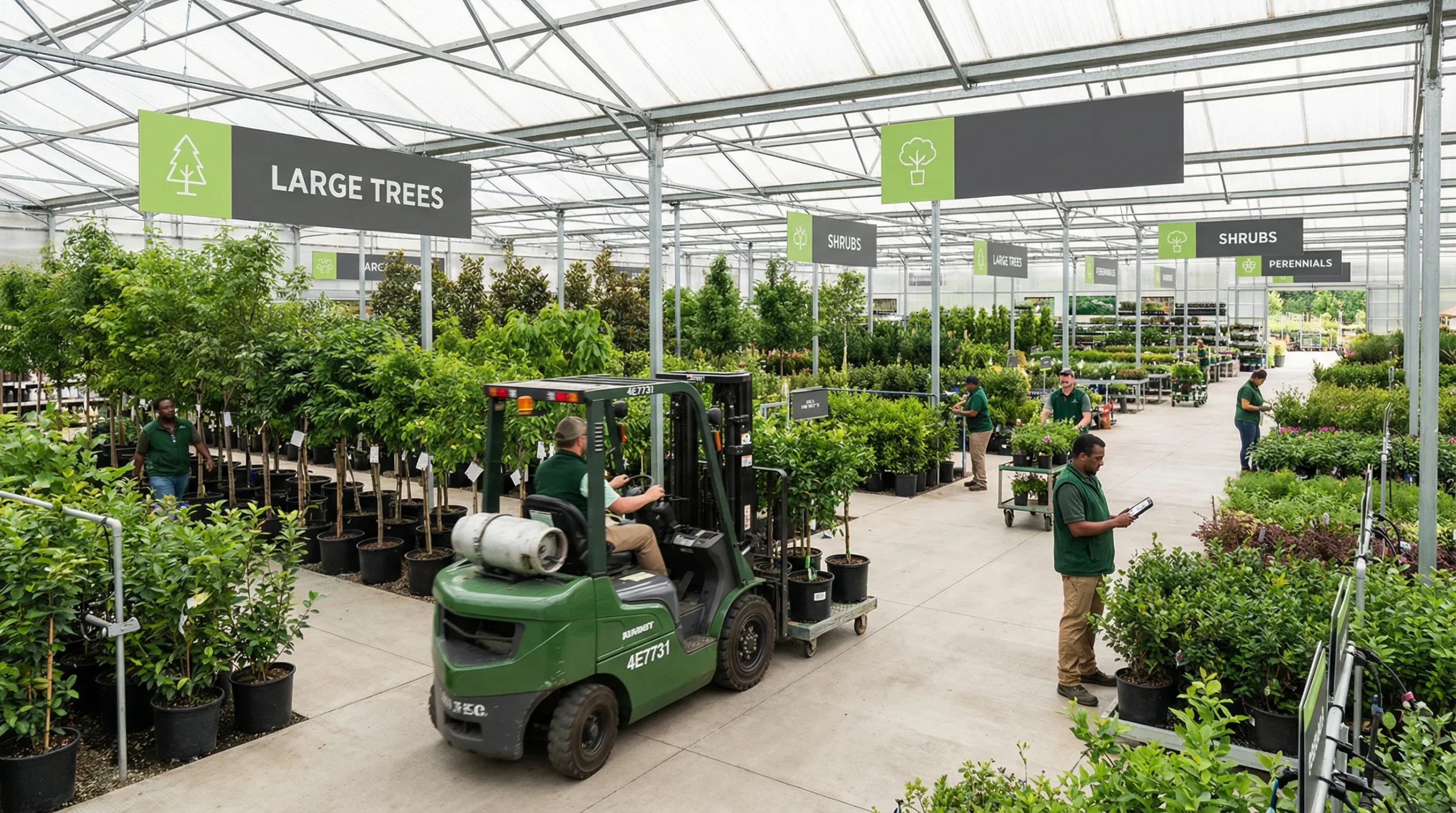
Agribusiness Software: Essential ERP Insights
Discover the benefits of agribusiness ERP software and top agriculture software companies for enhanced efficiency.
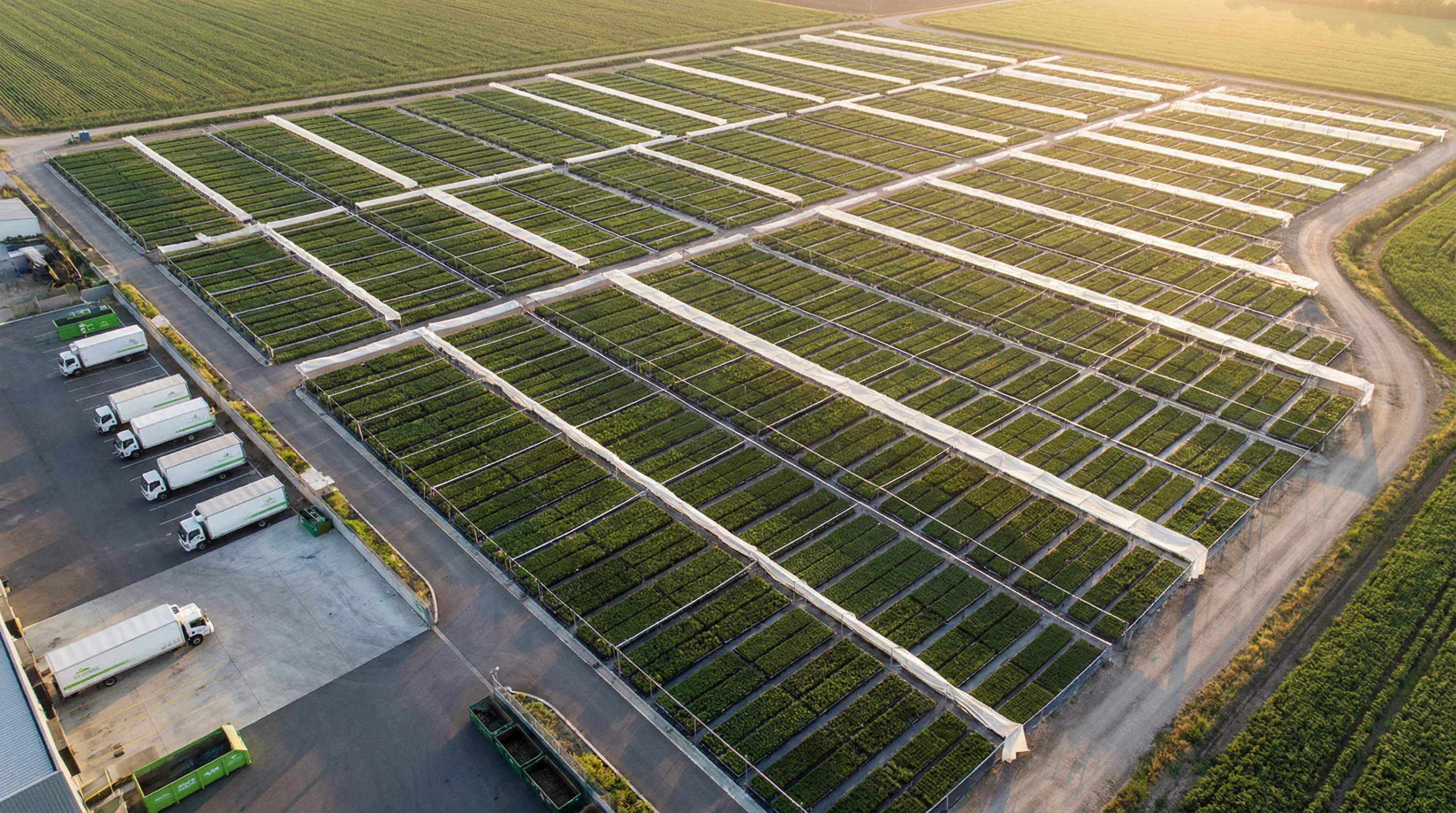
The Benefits of Grower Management Software
Discover how grower management software optimizes operations and integrates with accounting systems for increased ROI.
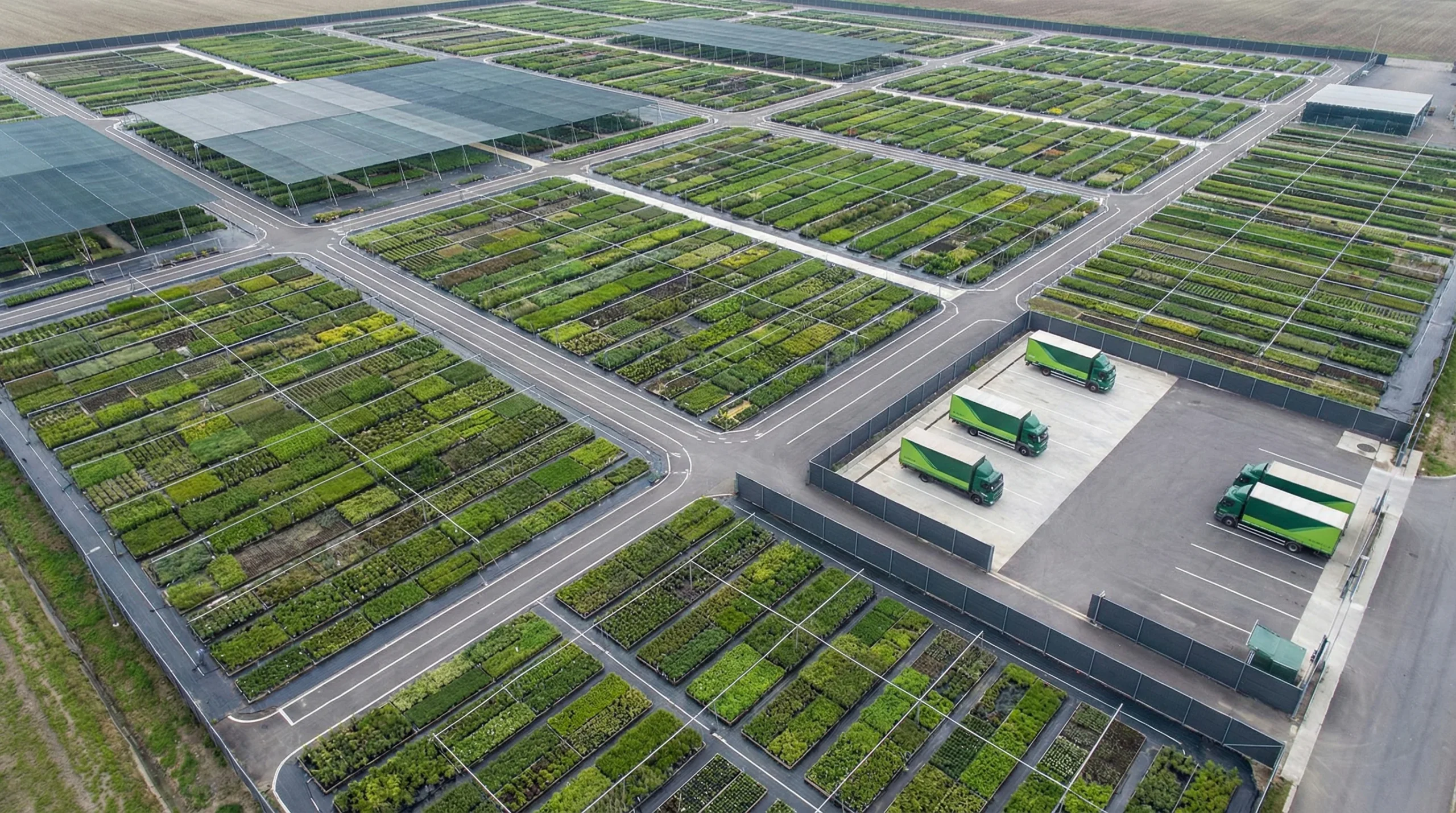
Complete Guide to Greenhouse Management Software Benefits
Discover the benefits of greenhouse management software and how Argos can optimize your operations.