
Published: June 12, 2018 |
Updated: February 17, 2026 |
Reading Time: 6mins |
By: Sean Sullivan
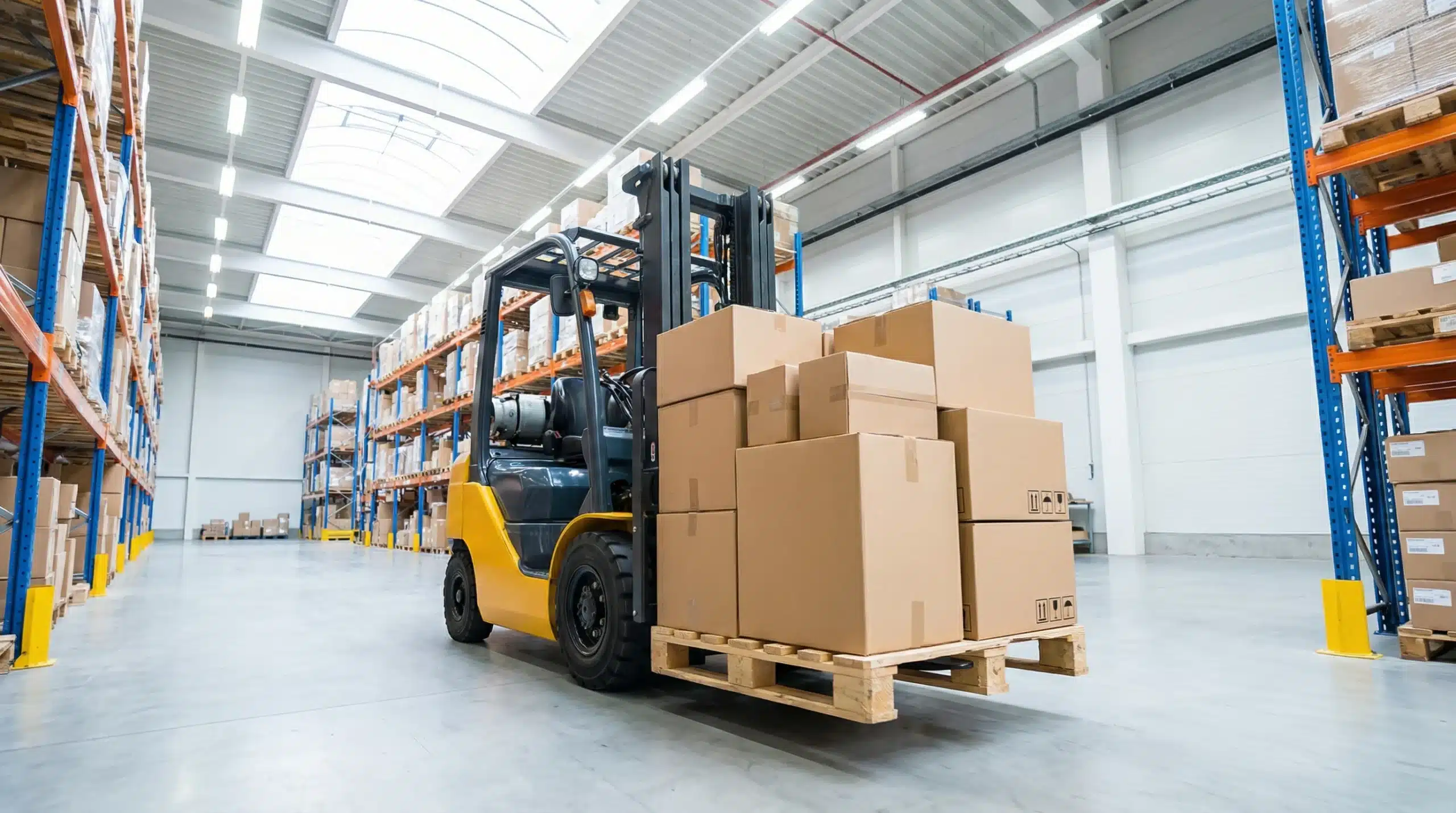
Warehouse and distribution space is expanding rapidly in the U.S. due to strong demand. According to a new report by the CBRE Group, a global investment firm located in Los Angeles, pro forma rents exceeded breakeven rents by 20-40%.
New warehouse development has not been hindered by the spike in construction costs, mostly because the supply of modern logistics facilities is limited. The majority of construction costs is represented by land acquisition; today, land costs range between $45-to-$170 per square foot.
The most expensive part of the country to build a 500,000 square-foot warehouse is Los Angeles, followed by Inland Empire, California; central New Jersey; Portland, Oregon; Pennsylvania’s I-78/81 corridor; Houston, Texas; Chicago, Illinois; Phoenix, Arizona; Dallas/Fort Worth; and Atlanta, Georgia.
The biggest boom right now is in Atlanta, Dallas/Fort Worth, and Inland Empire. However, the greatest rent spread between pro forma rents and breakeven rents is: Chicago at 43%; Atlanta at 38%; Phoenix at 35%; Pennsylvania’s I-78/I-81 corridor at 30%; and Los Angeles at 27%.
David Egan, CBRE’s global head of industrial and logistics research, said that the traditional perception that oversupply will threaten the market is wrong. Instead, he said “there is a very big spread between kind of the bottom line breakeven and the pro forma rents” which “means the market will generally absorb what the developers need.
“The economics are on the side of the developers, and there is a good case to be made for the developers to continue to build. Things are not getting overheated, and if the market does soften a bit, there is a cushion to move the rents a bit and still make money. There is good economic reason for development,” he said.
How have you expanded your warehouse and distribution space over the last few years? If you haven’t, do you have plans in the future? If so, what are factors that have led you to expand? Please let us know in the comments below!
Real-time inventory visibility, barcode scanning, and streamlined operations—purpose-built WMS for your warehouse.
Request a Demo

What New Warehouse Operators Need to Know
Building or leasing new warehouse space requires strategic planning beyond simply securing square footage. Location strategy serves as the foundation of operational success, with proximity to major population centers directly impacting delivery times and shipping costs. Companies should evaluate their customer base distribution and target markets within one- and two-day shipping zones to optimize service levels while minimizing transportation expenses.
Labor market analysis proves equally critical in site selection. Assess local unemployment rates, availability of warehouse-experienced workers, and competition from other distribution centers for talent. Consider proximity to residential areas, public transportation access, and wage expectations in your operational budget planning.
Utility infrastructure requirements often get overlooked until it’s too late. Ensure adequate electrical capacity for automated systems, reliable internet connectivity for real-time operations, and sufficient HVAC capabilities for temperature-controlled storage if needed. Investigate utility costs and any potential service limitations that could impact future expansion plans.
Ceiling height and dock door configurations significantly influence operational efficiency. Modern warehouses typically require 32-foot clear heights minimum for optimal racking systems, while dock door ratios should align with your anticipated throughput volumes—generally one door per 8,000-12,000 square feet of warehouse space.
Perhaps most importantly, plan for automation from day one rather than retrofitting later. Installing conveyor systems, automated sorting equipment, or robotic solutions after construction completion costs significantly more and creates operational disruptions. Design your layout with technology integration in mind, including proper electrical infrastructure, network cabling, and floor load capacities to support future automation investments.
Scaling Operations with the Right WMS from Day One
Selecting a warehouse management system before finalizing warehouse design creates operational advantages that impact long-term success. Your WMS choice directly influences facility layout decisions, from racking configurations to workstation placement and technology infrastructure requirements. System requirements should drive design decisions, not the reverse.
WMS specifications affect critical design elements including aisle widths for mobile devices, pick path optimization, and staging area locations. Barcode scanning requirements influence lighting specifications, while radio frequency coverage needs determine antenna placement during construction. Integration with automated systems requires specific network infrastructure and power requirements that must be built into the facility from the beginning.
Cloud-based WMS solutions offer particular advantages for new warehouse operations. Faster deployment timelines mean you can begin operations sooner, with implementation typically taking weeks rather than months compared to on-premise systems. Lower upfront costs eliminate significant server hardware investments and reduce initial capital requirements during your startup phase.
Scalability becomes seamless with cloud-based platforms, allowing you to add users, locations, and functionality as your operation grows without major system overhauls or additional hardware purchases. Automatic software updates ensure you always have access to the latest features and security improvements without internal IT resource demands.
Cloud WMS platforms also provide built-in disaster recovery and data backup capabilities, protecting your operational data without requiring additional infrastructure investments. This reliability proves essential for new operations that cannot afford extended downtime during critical growth periods. The flexibility to access your system from anywhere supports remote management capabilities and multi-location expansion as your distribution network evolves.
Frequently Asked Questions
What factors are driving the increased demand for warehouse space?
The article doesn’t specify the exact drivers, but the surge in warehouse demand is likely fueled by e-commerce growth, supply chain reshoring, and companies needing more inventory storage space. The COVID-19 pandemic accelerated online shopping trends, requiring retailers to expand their distribution networks. Additionally, businesses are diversifying their supply chains and holding more safety stock, increasing warehouse space requirements nationwide.
How much does it typically cost to build a warehouse?
Land acquisition represents the majority of warehouse construction costs, ranging from $45 to $170 per square foot. Total construction costs vary significantly by location, with Los Angeles being the most expensive market. The article notes that despite rising construction costs, development remains profitable due to strong rent premiums and limited supply of modern logistics facilities.
Why are developers continuing to build despite high construction costs?
Developers continue building because pro forma rents exceed breakeven costs by 20-40%, creating substantial profit margins. The limited supply of modern logistics facilities supports strong rental demand. CBRE experts indicate this rent spread provides a financial cushion, allowing developers to adjust pricing if markets soften while still maintaining profitability, making continued development economically justified.
Which markets offer the best investment opportunities for warehouse development?
Chicago offers the highest rent spread at 43%, followed by Atlanta at 38% and Phoenix at 35%. While Atlanta, Dallas/Fort Worth, and Inland Empire show the biggest construction booms, Chicago’s superior rent margins suggest stronger investment returns. Pennsylvania’s I-78/81 corridor also shows promising 30% spreads, indicating multiple markets offer attractive development opportunities.
What makes modern logistics facilities different from older warehouse space?
While the article doesn’t detail specific features, modern logistics facilities typically offer higher ceilings, advanced automation capabilities, better loading dock configurations, and strategic locations near transportation hubs. The limited supply of these modern facilities mentioned in the report suggests they command premium rents due to operational efficiencies that older warehouses cannot provide to today’s distribution requirements.
3PL Logistics Explained: Services, Models, and Benefits
Discover how 3PL logistics can transform your supply chain with our comprehensive guide.
How a 3PL Warehouse Management System Transforms Operations
Explore the benefits and strategies of 3PL warehouse management systems for optimal logistics efficiency.
3PL Software: Features, Benefits, and How to Choose
Discover the benefits of 3PL software for efficient warehouse management and inventory control.