
Published: November 20, 2017 |
Updated: February 17, 2026 |
Reading Time: 7mins |
By: Sean Sullivan

Online retailers are in the season of preparing for the shopping frenzy that takes place between Thanksgiving and Christmas Day, which means establishing a plan along the supply chain that is designed to meet increased demand. After all, their reputation is at stake. There could be nothing worse for reputation management than assuring on-time delivery that doesn’t arrive on the designated date. The holiday seasons revolves around the calendar, so retailers who make mistakes during these two months are at risk of tarnishing their reputation for the rest of the year.
This is where 3PLs come in. Strengthening relationships with carriers, and creating a strategy with them, can help keep shipments moving without unexpected disruptions. Here are a few ways to ensure a successful holiday season for your customers:
Hire seasonal workers early
Black Friday, Cyber Monday, and the week before Christmas — These are some of the most frantic shopping times of the year. Which means warehouses and distribution centers need to increase their skilled labor to fulfill orders. Recruiting should take place early so temporary laborers can be trained to pick, pack, and ship products via a variety of carriers and not make any costly mistakes.
Multi-client billing, customer portals, and warehouse workflows tailored for 3PL operations. Streamline your supply chain with Argos.
Request a Demo

Prepare early
Long before those holiday orders start rolling in, your team should assess both your warehouse capacity and supply chain to make any adjustments needed to better manage the year-end rush. Ensure existing inventory is stored in the right location and that available space is ready for new arrivals. If that isn’t the case, scout additional facilities now for temporary storage so your outbound flow is not interrupted. Check your equipment and supplies — For example, do your scanners have enough batteries and holsters? Do everything you can to avoid unnecessary surprises during such a critical time of the year.

Strategize early
Preparing for the holidays is much different than managing your day-to-day operations. For example, strategy sessions need to determine how much warehouse space is required over the seasons and when inventory can arrive to fulfill demand according to your customers’ sales forecasts and special promotions. Establish alternative scenarios if there are disruptions in the supply chain or production delays. Bring in your transport suppliers to establish ways to consolidate freight and to increase capacity when space is tight.
What do you do to prepare each holiday season? Give us your tips in the comments below. Visit argosoftware.com or call us at (888) 253-5353 to set up a demo or learn more about our suite of products for Logistics Service Providers (3PLS and Transporters).
Forecast demand accurately and establish flexible inventory strategies
Accurate demand forecasting becomes critical when managing multiple clients with varying seasonal patterns during the holiday rush. 3PLs must collaborate closely with each client to understand their historical sales data, promotional calendars, and expected growth trajectories to avoid both stockouts and excess inventory situations.
Start by analyzing three years of historical data for each client, focusing on:
- Week-over-week sales velocity during previous holiday seasons
- SKU-level performance variations between Thanksgiving and New Year’s
- Impact of promotional events like flash sales or early-bird specials
- Return patterns that affect inventory availability in January
Implement dynamic safety stock calculations that adjust automatically based on demand volatility. For high-velocity items, consider maintaining 15-20% additional buffer stock compared to regular seasons. Establish clear inventory allocation protocols when multiple clients share the same SKUs, ensuring fair distribution during peak demand periods.
Create flexible storage strategies that allow for rapid inventory repositioning. Designate specific zones for fast-moving holiday merchandise and implement cross-docking capabilities for time-sensitive promotional items that need immediate fulfillment upon arrival.
Strengthen technology infrastructure and system redundancy
Holiday order volumes can stress warehouse management systems beyond their normal capacity limits. 3PLs must proactively upgrade their technology infrastructure and establish backup systems to prevent costly system failures during peak operational periods.
System capacity and performance optimization
Conduct comprehensive system load testing at least 60 days before Black Friday. Test your WMS at 150-200% of expected peak volume to identify bottlenecks in order processing, inventory updates, and reporting functions. Pay particular attention to:
- Real-time inventory synchronization across multiple sales channels
- Batch processing speeds for large order imports
- Integration stability with client e-commerce platforms and marketplaces
- Mobile device connectivity and scanner response times under heavy load
Establish redundant internet connections and backup power systems to maintain operations during infrastructure failures. Partner with your IT team to create automated failover procedures that activate within minutes, not hours.
Data backup and recovery protocols
Implement real-time data replication to geographically separate backup systems. During holiday season, increase backup frequency to every 15 minutes instead of daily backups. Create detailed recovery time objectives (RTO) for critical systems—aim for less than 30 minutes of downtime for core WMS functions.
Test your disaster recovery procedures monthly during the lead-up to holiday season. Document step-by-step recovery processes and train multiple team members on emergency protocols to avoid single points of failure in your technical response capabilities.
Optimize last-mile delivery and carrier relationships
The final stretch of holiday logistics often determines customer satisfaction, making last-mile delivery optimization a crucial differentiator for 3PLs. Develop comprehensive carrier diversification strategies and establish service level agreements that account for peak season challenges.
Negotiate guaranteed capacity allocations with primary carriers well before October. Secure commitments for specific daily pickup volumes and delivery service levels, including weekend and extended hour services. Build relationships with 3-4 regional carriers as backup options when national carriers reach capacity limits.
Implement zone skipping strategies by consolidating shipments to regional distribution centers, then using local carriers for final delivery. This approach can reduce costs by 15-25% while improving delivery reliability during peak periods.
Real-time delivery tracking and communication
Establish proactive communication protocols that notify customers immediately when shipments face potential delays. Use automated tracking systems to identify at-risk deliveries 24-48 hours in advance, allowing time for alternative arrangements.
Create escalation procedures for high-priority shipments, including same-day courier options for critical orders. Partner with local delivery services in major metropolitan areas to offer emergency delivery solutions when traditional carriers cannot meet commitments.
Monitor carrier performance metrics daily during peak season, tracking on-time delivery rates, damage claims, and customer satisfaction scores. Use this data to make real-time routing decisions and carrier selection adjustments throughout the holiday period.
Frequently Asked Questions
How early should 3PLs start hiring seasonal workers for holiday preparation?
3PLs should begin recruiting seasonal workers well before Black Friday and Cyber Monday to allow adequate training time. Early hiring ensures temporary laborers can be properly trained on picking, packing, and shipping procedures across multiple carriers. This prevents costly mistakes during peak shopping periods when warehouse operations are most critical.
What equipment checks should warehouses perform before the holiday rush?
Warehouses should conduct comprehensive equipment audits including scanner functionality, battery supplies, and holster availability. Check all picking equipment, packing stations, and shipping tools for proper operation. Verify backup equipment is available and ensure maintenance schedules won’t conflict with peak operations to avoid unexpected downtime during critical periods.
How can 3PLs handle warehouse capacity shortages during peak season?
3PLs should scout additional temporary storage facilities early in the planning process to supplement existing warehouse space. Assess current capacity against projected demand and secure overflow locations before peak season begins. This ensures outbound flow continues uninterrupted even when primary facilities reach maximum capacity during holiday shopping periods.
What role do transport suppliers play in holiday logistics planning?
Transport suppliers are crucial partners in developing freight consolidation strategies and increasing capacity during tight shipping periods. Early collaboration helps establish alternative routing options and backup plans for potential disruptions. Working closely with carriers ensures adequate shipping capacity is available when order volumes spike during peak shopping seasons.
Why is developing alternative scenarios important for holiday logistics planning?
Alternative scenarios prepare 3PLs for supply chain disruptions, production delays, or unexpected demand fluctuations during the critical holiday period. These contingency plans ensure operations can continue smoothly even when primary strategies face challenges. Having backup plans protects customer relationships and maintains on-time delivery commitments when reputation is most at stake.
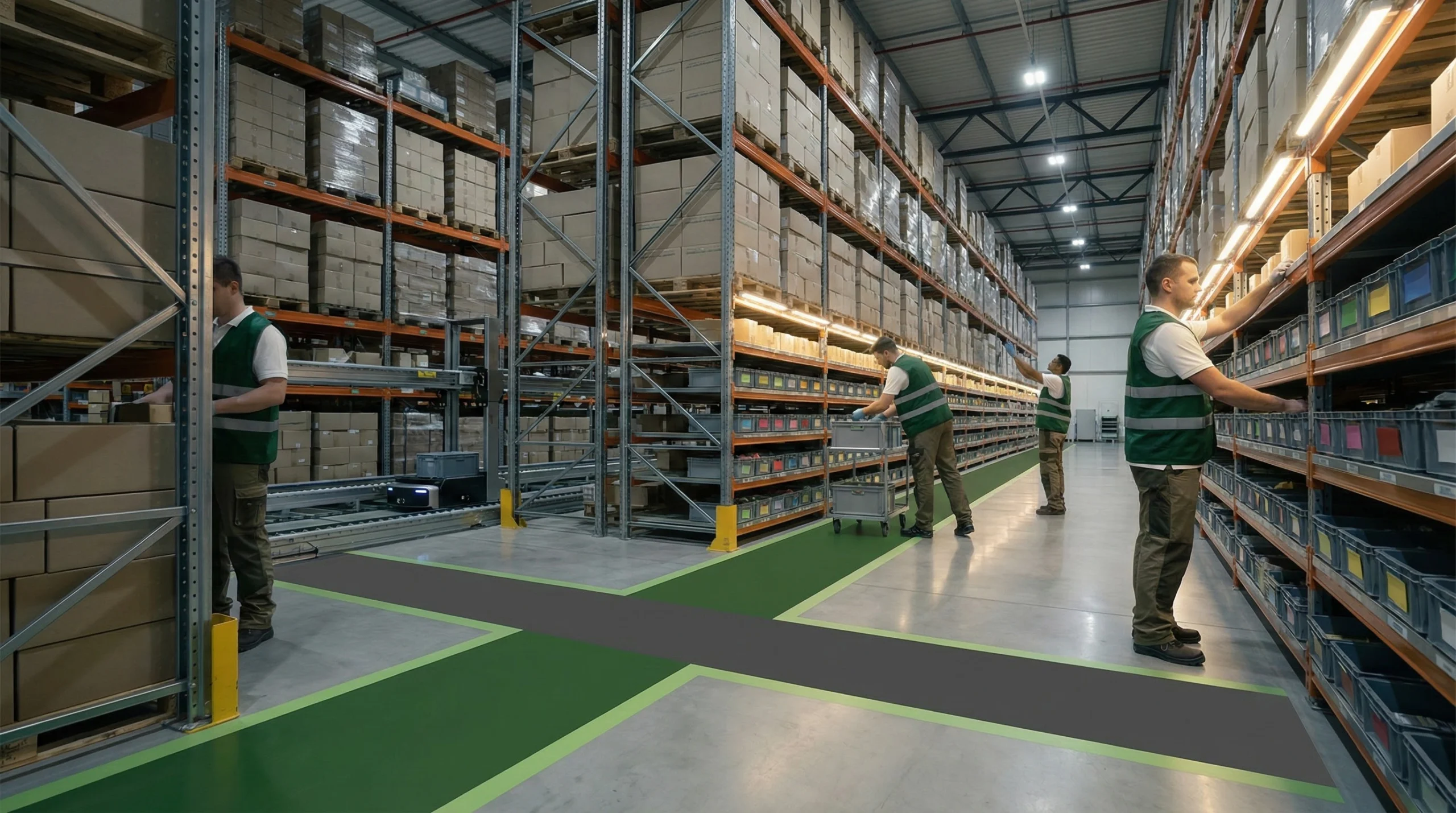
Optimize Warehouse Picking with Argos Solutions
Discover how to enhance warehouse picking efficiency with traditional and automated systems. Learn more with Argos.
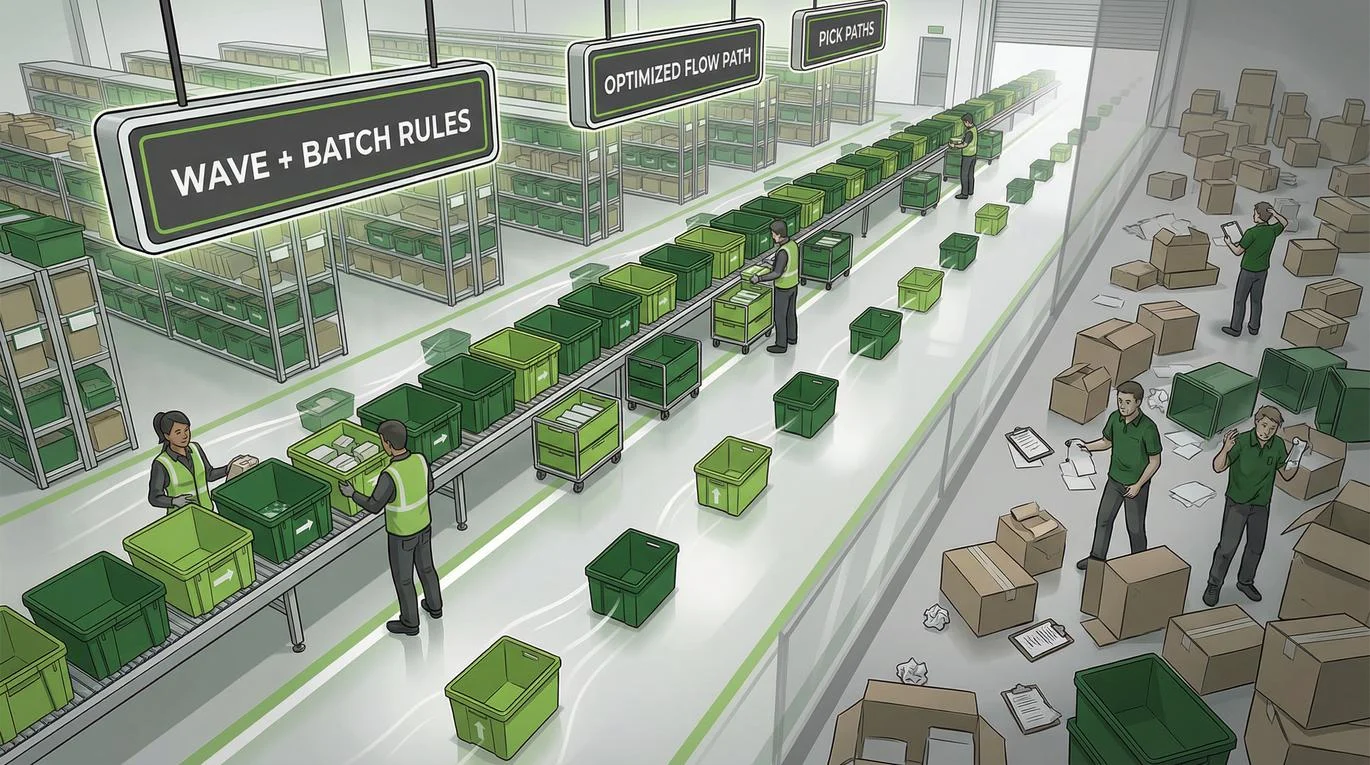
Wave Picking & Batch Picking: Advanced Guide for Smarter Fulfillment
Wave Picking for Smarter Fulfillment Your warehouse feels calm at 9:00 a.m., then turns into [...]

Agribusiness Software: Essential ERP Insights
Discover the benefits of agribusiness ERP software and top agriculture software companies for enhanced efficiency.