In recent years, Amazon has really stepped their game up with the way they’re challenging the logistics industry. The company is the fastest to reach $100 billion in sales revenue. Analysts say that by 2027 the company could reach yearly revenue of $1 trillion.
This recent success is all due to its supply chain management. Using a sophisticated network of warehouses and transportation, data analytics, and multi-tier inventory technology, Amazon was able to establish itself as a reliable clearinghouse for any product or service now imaginable. Through Amazon Prime and its game-changing two-day delivery promise, speed became its brand. In the process, the company disrupted the traditional supply chain model, elements of which other companies can adopt to achieve success. Here’s how to do it.
Give customers fast and cheap shipping options. Amazon Prime offers a wide range of delivery options, from same-day to three to five days. By sharpening its focus on giving customers the delivery they want and then following through on that promise, the company has been able to brand itself as the only reliable choice in the world of e-commerce.
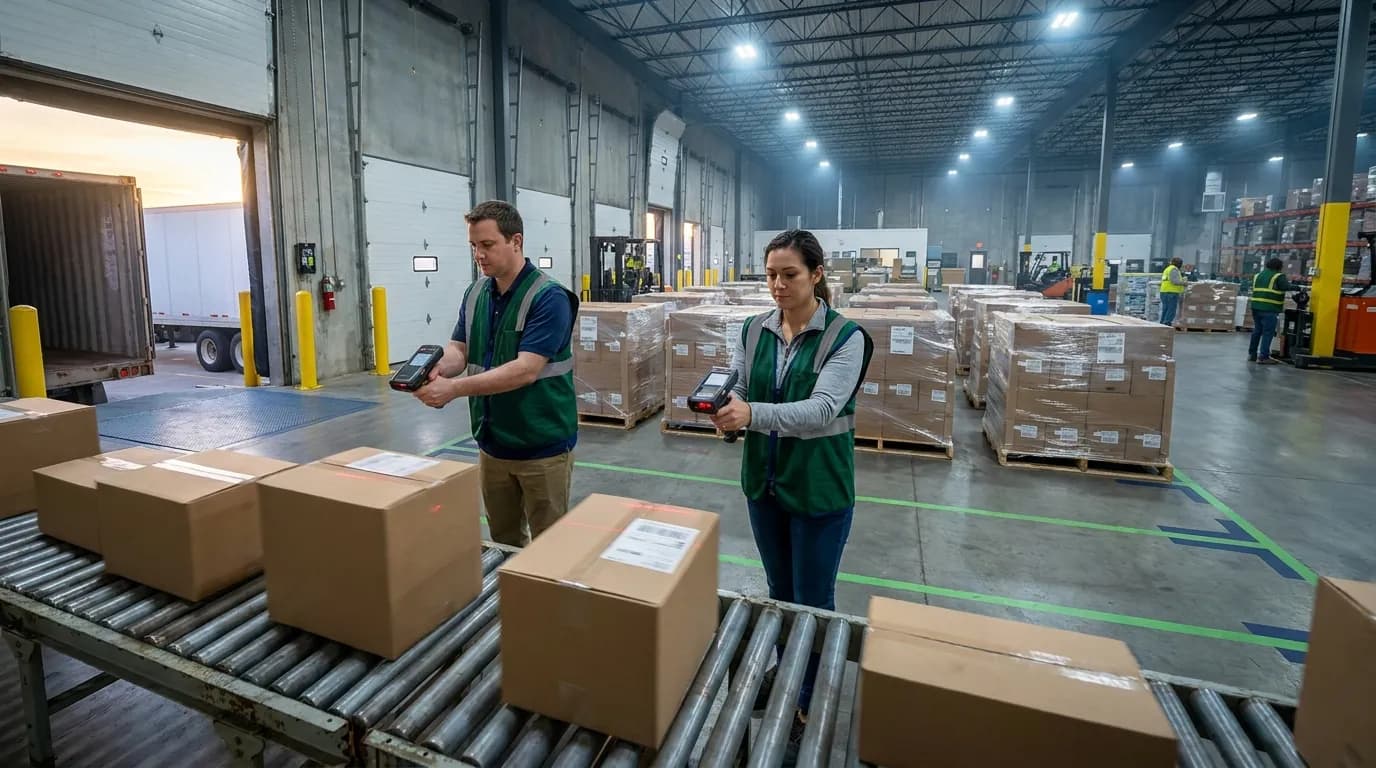
Incorporate automation in the warehouse. Amazon was one of the first to integrate automated solutions to its warehouses, even acquiring companies to do so. In 2015, three years after it started, the company was using 15,000 robots; today that number is up to 45,000 robots. The Amazon robots pick and pack without human assistance, which increases speeds.
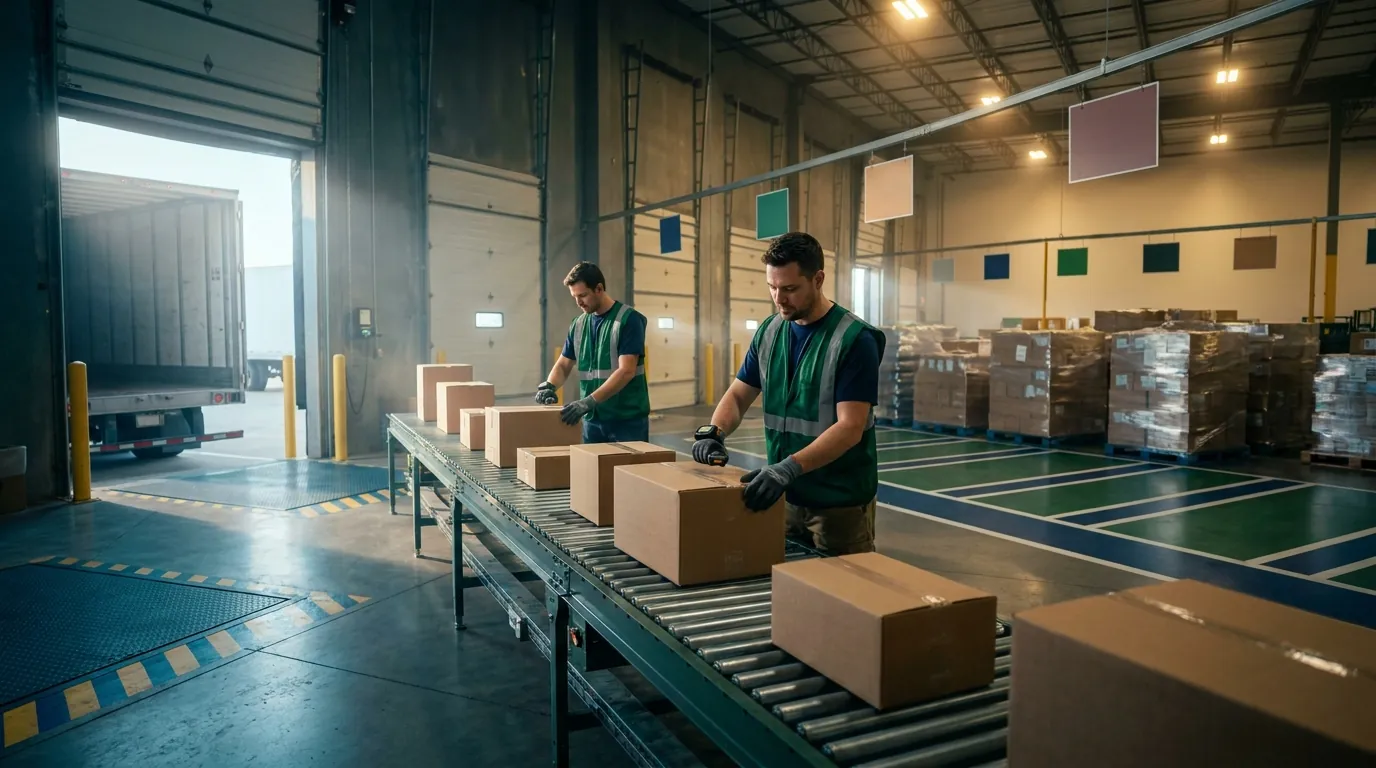
Get orders out ASAP. Speed means getting orders out and in the hands of your customers by the quickest means possible. It means processing orders instantaneously. Amazon has done away with cut-off times or lining up packages for late afternoon pick-up. Instead it has created a steady routine of processing and pick-ups to ensure no time is wasted at the customer’s expense.
Outsource inventory management and insourcing logistics. Amazon depends on third-party sellers for niche inventory that is not stored in regular Amazon warehouses. However, despite using some third-party products, Amazon still insources its logistics. All products rely on in-house delivery platforms to achieve all of its delivery promises, therefore speeding up a process that could be slowed if it allowed third parties to handle shipping and delivery on their own.
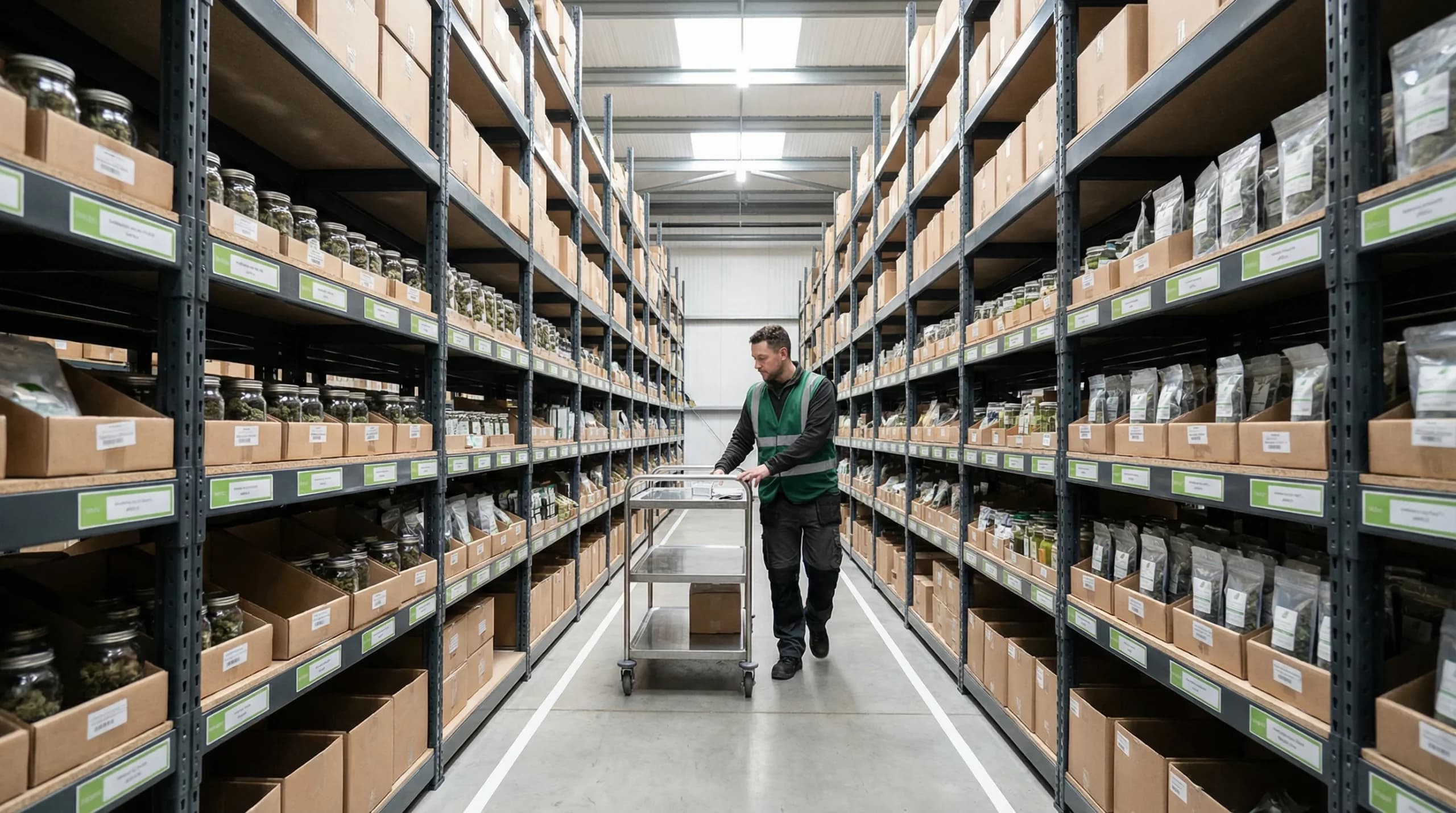
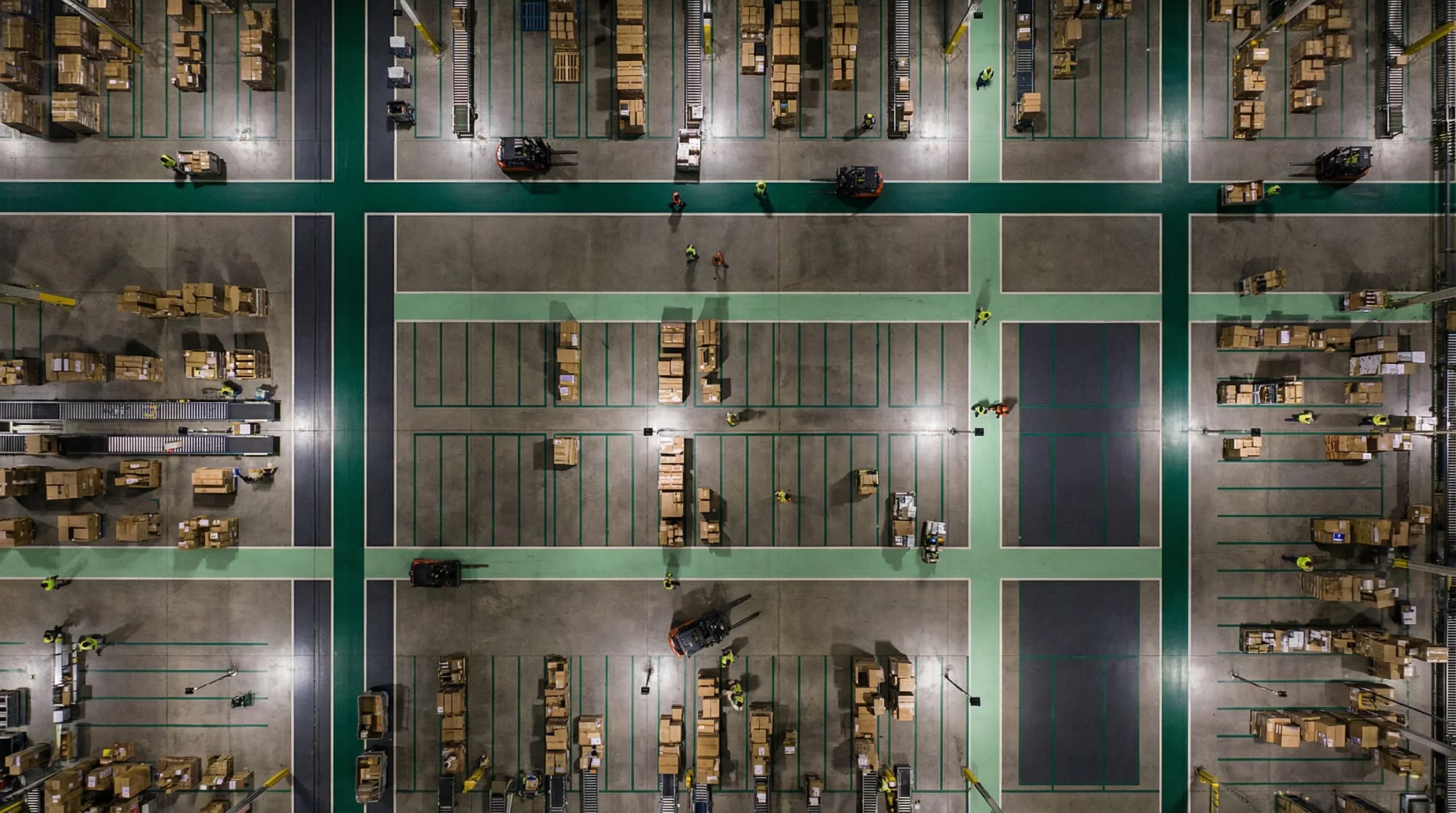
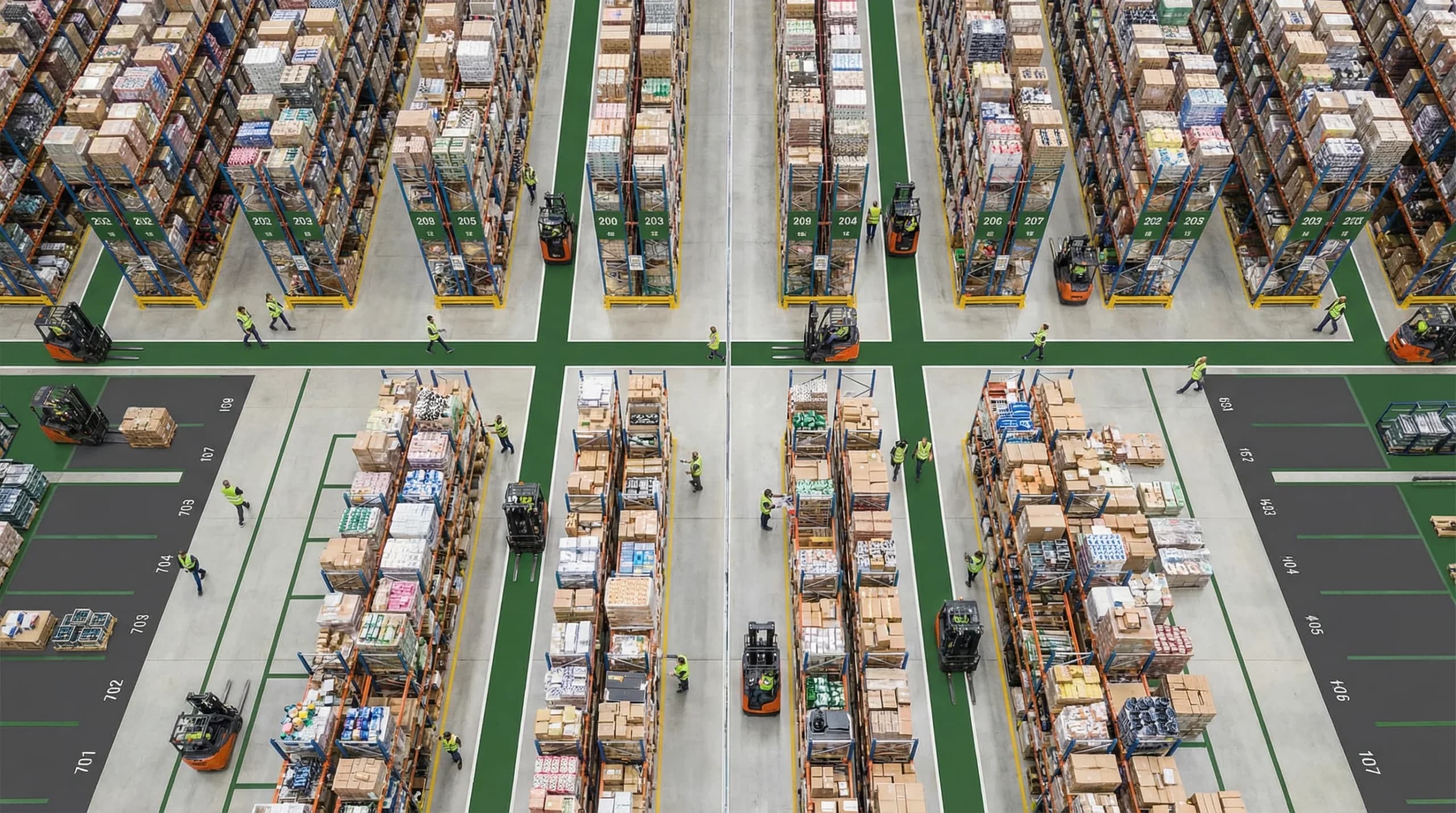
Plan warehouse locations strategically. Amazon has established a network of more than 70 fulfillment centers across the U.S. that are staffed with 90,000 employees. Their model has moved these warehouses closer to urban centers, not remote in some cornfield. This means that its inventory is already close by even before orders take place. Secondly, the company categorizes its storage spaces differently. Its prime storage houses books and magazines; its pallet prime storages full case products with high demand. Another stores high demand products. The reverse storage has irregularly shaped and low demand products. Finally, its random storage area has small items.
Visit argosoftware.com or call us at (888) 253-5353 to set up a demo or learn more about our suite of products for agribusiness companies.
Frequently Asked Questions
What makes Amazon’s supply chain different from traditional logistics models?
Amazon disrupted traditional supply chains by prioritizing speed over cost efficiency and integrating advanced automation with strategic warehouse placement. Unlike conventional models that focus on centralized distribution, Amazon positions fulfillment centers near urban areas and uses real-time data analytics to process orders instantly, eliminating traditional cut-off times and batch processing methods.
How much has Amazon invested in warehouse automation technology?
Amazon has dramatically scaled its automation investment, growing from 15,000 robots in 2015 to 45,000 robots today. The company actively acquires robotics companies to enhance its automated picking and packing capabilities. This represents one of the largest commercial deployments of warehouse robotics, enabling faster processing speeds without human intervention.
Why does Amazon use different warehouse categories for inventory storage?
Amazon optimizes efficiency by categorizing storage spaces based on product characteristics and demand patterns. Prime storage handles books and magazines, pallet prime stores high-demand full cases, while reverse storage accommodates irregularly shaped low-demand items. This strategic segmentation reduces picking time and improves inventory accuracy across their 70+ fulfillment centers.
What is Amazon’s strategy for balancing third-party sellers with logistics control?
Amazon leverages third-party sellers for niche inventory not stored in regular warehouses while maintaining complete control over logistics and delivery. This hybrid approach allows access to diverse product catalogs without sacrificing delivery speed or reliability. All products, regardless of seller, use Amazon’s in-house delivery platforms to ensure consistent service standards.
How can other companies adopt Amazon’s supply chain innovations?
Companies can implement Amazon’s strategies by investing in warehouse automation, strategically locating distribution centers near customer populations, and eliminating traditional order processing delays. Key elements include offering multiple delivery options, processing orders continuously rather than in batches, and maintaining direct control over logistics while potentially outsourcing inventory sourcing to specialized vendors.