
Published: January 12, 2018 |
Updated: February 17, 2026 |
Reading Time: 7mins |
By: Sean Sullivan
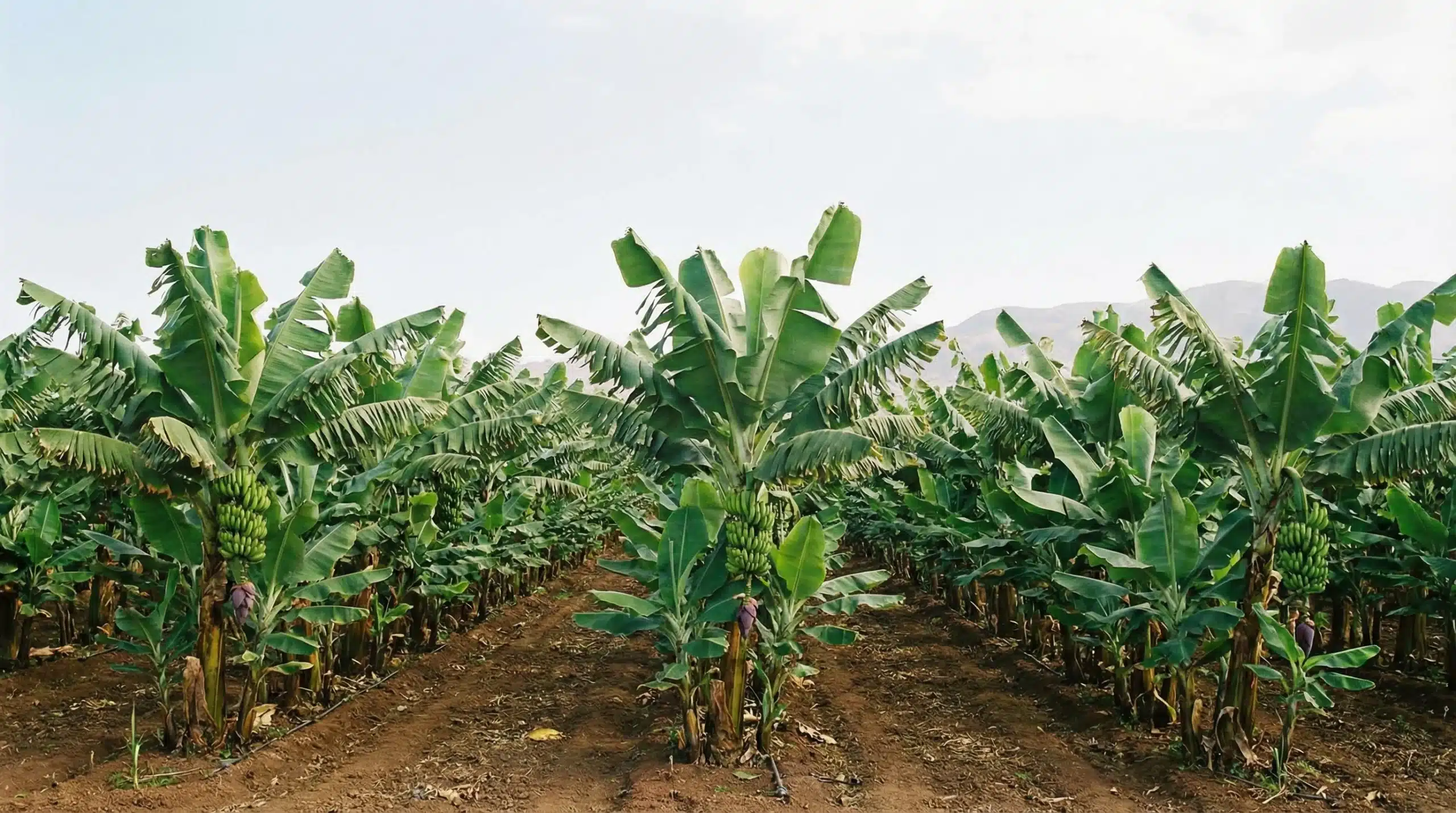
The agribusiness industry is undergoing important changes which will modify it significantly in years to come.
These changes are coming from all sectors — from emerging technologies to increased urbanization — which means that operators that want a competitive advantage must strive harder to be steps ahead. As agribusiness continues its evolution from serving local to regional to global communities, companies must adopt to the following trends:
How WMS Technology Supports Agricultural Supply Chains
Modern warehouse management systems have become essential infrastructure for agribusiness operations, providing the sophisticated tracking and control capabilities required in today’s food supply chains. Lot traceability functionality enables companies to track products from farm to consumer, creating detailed records that support rapid response to food safety incidents and regulatory inquiries.
Temperature monitoring integration allows WMS platforms to automatically capture and log environmental conditions throughout the storage and distribution process. This capability is particularly crucial for perishable agricultural products, where maintaining proper cold chain integrity directly impacts product quality and shelf life. Real-time alerts notify operators when temperature deviations occur, enabling immediate corrective action.
Comprehensive harvest-to-shelf visibility gives agribusiness operators complete oversight of their supply chain operations. This includes tracking receipt of fresh products, monitoring inventory aging, coordinating with transportation systems, and managing distribution to multiple channels. FSMA compliance tools built into modern WMS platforms automate documentation requirements, streamline audit processes, and ensure adherence to food safety regulations.
Seasonal inventory management capabilities address the unique challenges agricultural businesses face with fluctuating crop volumes and varying harvest schedules. Advanced WMS solutions can automatically adjust storage allocation, optimize picking strategies based on product shelf life, and coordinate with sales forecasting to minimize waste while maximizing product freshness at delivery.
Precision Agriculture Meets Warehouse Management
The integration of precision agriculture data with warehouse management systems creates powerful synergies that optimize the entire agricultural value chain. Yield forecasts and harvest timing data from field sensors and agricultural management systems flow directly into warehouse planning modules, enabling operators to prepare storage space, schedule labor, and coordinate transportation resources well in advance of harvest.
Quality grading information captured during harvesting integrates with receiving automation systems to streamline product intake processes. When trucks arrive at the facility, WMS platforms can automatically direct products to appropriate storage zones based on pre-determined quality specifications, reducing manual sorting time and improving accuracy.
Quality inspection workflows become more efficient when informed by field data about growing conditions, pest pressure, and harvest parameters. WMS platforms can automatically flag products requiring additional inspection based on field conditions or adjust quality control protocols for different crop batches.
Inventory allocation strategies benefit significantly from crop data integration. Products with optimal growing conditions can be designated for premium markets or longer-term storage, while those with quality concerns are prioritized for immediate processing or alternative channels. This data-driven approach to inventory management maximizes the value recovered from each harvest while minimizing waste and optimizing customer satisfaction across different market segments.
1. More mouths to feed
As the global population is set to grow 18 percent by 2050, global food consumption will follow but by a greater rate: 35 percent. According to PricewaterhouseCoopers (PwC), agricultural production will need to increase by 70 percent to feed every mouth on the planet. This creates big opportunities for agribusiness operators intending to grow their business globally over the next few decades.2. More countries to feed. Not only will be there be more mouths to feed, but agribusiness operators now have more opportunities past their borders. PwC estimates that the world economy will triple by 2050. However, today’s major economies in North America, Western Europe, and Japan will slow as countries like China — projected to overtake the U.S. by 2028 — will play larger roles. For example, India is positioned to become the second largest economy by 2050. Other projected fast-growing economies are Mexico, Indonesia, Turkey, Nigeria, Vietnam, Colombia, Poland, and Malaysia.
From plant production to inventory tracking, manage your nursery or greenhouse operations with one integrated platform.
Request a Demo

3. Increased tech development
Advanced technologies are changing how agribusiness operates, which means production will look much different years from now compared to today. The rise and scope of technologies like precision farming, genetic modification, food processing, and automation will drive competition to improve yields, which will make them more affordable consumers, not to mention fresh.
4. Increased safety oversight
The emergence of consumer activism has led to great strides in food labeling, sustainability practices, and otherwise responsible food production. As new markets open up around the world, agribusiness operators will face heightened expectations for food safety. Companies will need to strengthen the quality of their supply chain and make sure their end products meet international standards. Increased regulation intended to protect both consumers and the environment may lead to mergers in an effort to cut costs and fight competition.
5. Increased urbanization
According to Forbes, for the first time in history we are living in a time when more than 50 percent of the world’s population lives in cities. In fact, the 3.7 billion people who currently live in cities will double by 2050. Almost all of the looming urbanization will take place in the developing world. For the agribusiness industry, that means the inevitable increase in city farming plus improvements in food distribution models, especially in parts of the world that have not yet experienced agricultural production within city centers.
What do you see impacting the future of the agribusiness industry? Give us your insights in the comments below.
Visit argosoftware.com or call us at (888) 253-5353 to set up a demo or learn more about our suite of products for agribusiness companies.
Frequently Asked Questions
How can small agribusiness companies compete with larger corporations in these changing markets?
Small agribusiness companies can compete by focusing on niche markets, adopting cost-effective precision farming technologies, and forming strategic partnerships or cooperatives. They should leverage their agility to quickly adapt to local market needs and consumer preferences. Specializing in organic, sustainable, or locally-sourced products can also provide competitive advantages against larger, less flexible corporations.
What specific technologies should agribusiness operators prioritize for investment?
Agribusiness operators should prioritize precision farming tools like GPS-guided equipment and soil sensors, automation systems for harvesting and processing, and data analytics platforms for yield optimization. Genetic modification technologies and IoT devices for supply chain tracking are also crucial. The choice depends on company size, current operations, and target markets, but data-driven technologies typically offer the best ROI.
How will increased food safety regulations affect operational costs?
Increased food safety regulations will likely raise operational costs through mandatory testing, certification processes, upgraded equipment, and additional staff training. However, these investments often lead to long-term savings through reduced waste, fewer recalls, and access to premium markets. Companies may need to budget 10-15% more for compliance, but this enables expansion into regulated international markets.
Which emerging markets offer the best opportunities for agribusiness expansion?
India, China, and Southeast Asian countries like Vietnam and Indonesia offer excellent opportunities due to their growing middle classes and increasing food demand. African nations like Nigeria present untapped potential, while Mexico and Colombia provide strategic access to Latin American markets. Success depends on understanding local regulations, consumer preferences, and establishing reliable distribution networks in each region.
How can agribusiness companies prepare for urban farming integration?
Companies can prepare by researching vertical farming technologies, hydroponic systems, and controlled environment agriculture. They should explore partnerships with urban developers and city planners, invest in compact growing systems, and develop supply chains optimized for city distribution. Understanding local zoning laws and building relationships with municipal governments early will provide competitive advantages as urban farming expands.
Essential Cannabis Warehouse Management Strategies
Discover effective cannabis warehouse management with key inventory strategies and software solutions. Optimize your operations today!
Third-Party Logistics Services: Your Complete Guide
Discover how 3PL services can transform your logistics strategy. Learn about warehouse and logistics services, top companies, and future trends.
3PL Logistics Explained: Services, Models, and Benefits
Discover how 3PL logistics can transform your supply chain with our comprehensive guide.