
Published: March 5, 2026 |
Updated: February 17, 2026 |
Reading Time: 10mins |
By: Sean Sullivan
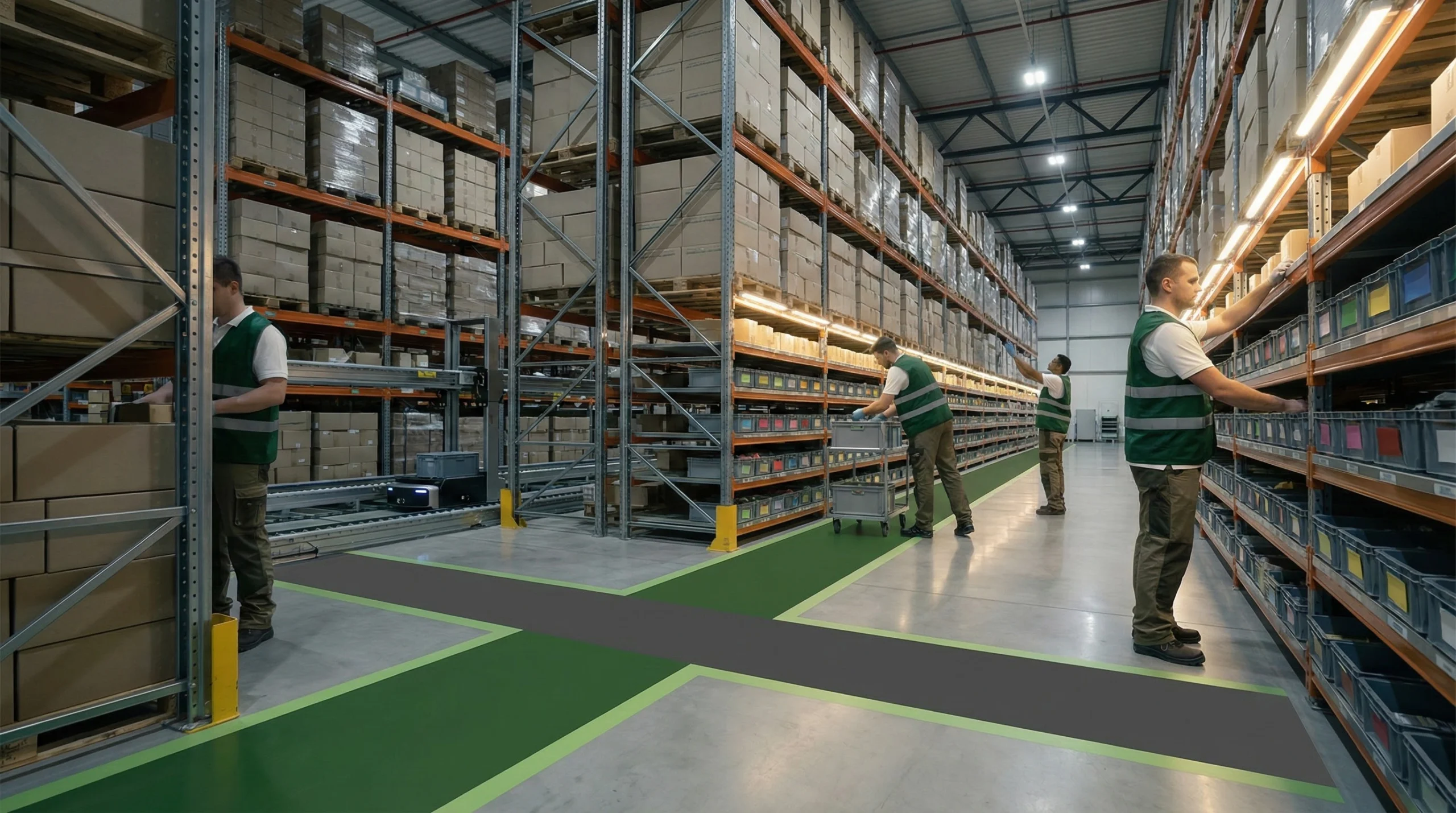
When orders spike and SLAs tighten, picking becomes the make-or-break step in fulfillment. The good news: you have more choices than ever for order picking in a warehouse, automated warehouse picking systems—from disciplined manual workflows to robotics and goods-to-person automation. This comparison breaks down what each approach does well, where it struggles, and how to choose a path that fits your volume, labor reality, and service goals.
Rather than assuming automation is always the answer, this guide compares traditional, modern “digitized manual,” and automated options side by side. You’ll also find practical integration tips, common implementation pitfalls, and ways Argos helps teams improve accuracy and throughput without overhauling everything at once.
Introduction to Warehouse Picking: Understanding the Basics
Warehouse picking is the set of tasks required to locate, select, and confirm items needed to fulfill an order. It typically includes travel to the storage location, item identification, quantity verification, exception handling, and handoff to packing or consolidation. Because picking can consume a large share of warehouse labor time, small improvements often produce outsized gains.
In practice, the “best” picking method depends on your order profile: lines per order, units per line, SKU velocity, storage constraints, and service commitments. The decision also hinges on labor availability and your tolerance for process variability. Many operations start by stabilizing order picking in a warehouse with standard work and scanning, then evaluate whether automated warehouse picking systems are justified by volume and complexity.
- Core picking goals: fewer errors, less travel, predictable cycle times, safer work.
- Key metrics to track: pick rate (lines/hour), accuracy, travel time, short picks, and rework.
- Data you need: slotting rules, SKU dimensions/weights, velocity, and exception reasons.
Order Picking in a Warehouse: Traditional vs. Modern Approaches
Picking methods usually fall into three tiers: traditional manual processes, modern digitized manual workflows, and automation. Comparing them honestly helps teams avoid overinvesting—or underinvesting—based on assumptions rather than operational evidence.
Traditional methods (paper-based and memory-driven)
Traditional picking relies on printed pick lists, static locations, and tribal knowledge. It can work well in small warehouses with stable SKUs and low order complexity. However, it becomes harder to control as volume increases, because errors and search time rise with SKU count and turnover.
- Pros: low upfront cost, minimal systems dependency, easy to start.
- Cons: higher mis-picks, slower training, limited real-time visibility, harder to enforce FIFO/FEFO.
- Best fit: low SKU count, low order volume, simple replenishment, limited change.
Modern approaches (digitized manual picking)
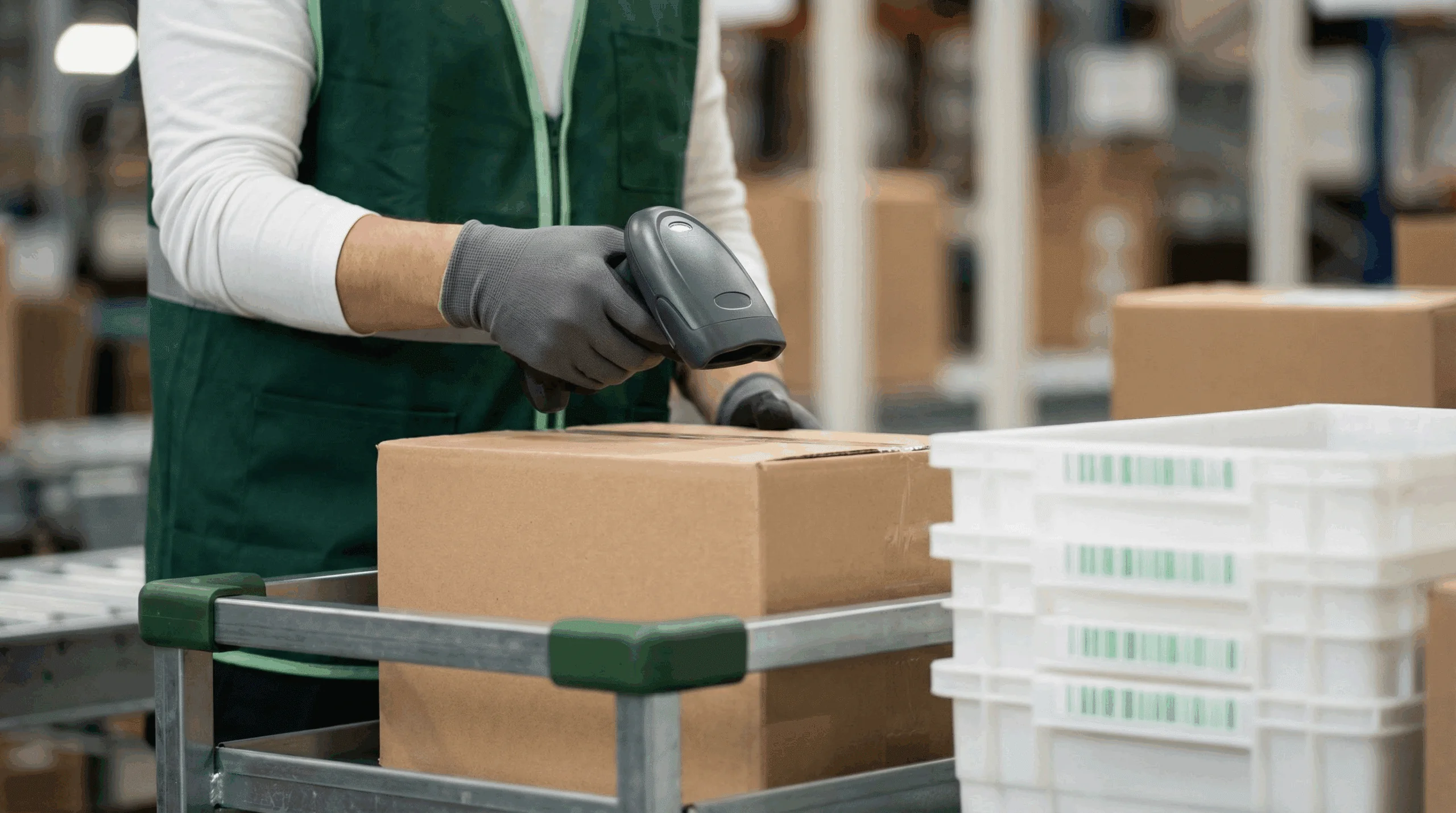
Modern manual workflows keep people picking, but replace paper with mobile devices, barcode scanning, directed work, and real-time inventory updates. This is often the fastest way to improve order picking in a warehouse without changing the physical layout. With directed picking, the system can sequence tasks, reduce backtracking, and capture exceptions immediately.
- Pros: better accuracy, faster onboarding, real-time inventory, measurable productivity.
- Cons: still travel-heavy, dependent on RF coverage and device uptime, performance varies by associate.
- Best fit: mixed SKU velocity, moderate volume, frequent changes, need for visibility and control.
- Common modern tactics that pay off quickly:
- Zone picking with clear handoff rules to reduce travel.
- Batch picking for e-commerce singles, followed by sort/consolidation.
- Dynamic slotting based on velocity and seasonality.
- Scan-to-confirm for every pick and pack step to cut errors.
Order Picking in a Warehouse vs. Automated Warehouse Picking Systems: Key Differences
At a high level, manual and automated strategies solve different problems. Manual and digitized manual approaches optimize people and process; automated warehouse picking systems reduce travel and touch time by moving inventory, using robotics, or mechanizing transport. Your decision should be grounded in constraints: labor, space, service levels, and capital.
- Rule of thumb: if travel dominates your labor cost, automation that reduces travel can deliver the biggest step-change.
- Another signal: if accuracy issues persist despite scanning and training, automation plus tighter controls may be warranted.
- Compare options at a glance:
- Dimension: Labor dependence
- Manual/digitized: High (varies by shift)
- Automation: Lower (more technician-driven)
- Dimension: Throughput scaling
- Manual/digitized: Add people and space; diminishing returns
- Automation: Add stations/robots; more predictable
- Dimension: Accuracy control
- Manual/digitized: High with scanning, still human variability
- Automation: High with system-enforced moves and confirmations
- Dimension: Capex and timeline
- Manual/digitized: Lower capex, faster deployment
- Automation: Higher capex, longer design and commissioning
- Dimension: Flexibility for new SKUs
- Manual/digitized: Strong (re-slot and retrain)
- Automation: Depends on system; some require re-engineering
- Dimension: Space utilization
- Manual/digitized: Aisles and travel paths consume space
- Automation: Can increase storage density (e.g., AS/RS, shuttles)
For deeper operational benchmarks and trends, warehouse managers often follow publications like Logistics Management’s warehouse operations coverage and Supply Chain Dive’s automation and fulfillment reporting.
Exploring Automated Warehouse Picking Systems: Types and Benefits
Automated warehouse picking systems vary widely—from “assistive” automation that speeds travel to fully automated goods-to-person models. The right choice depends on item characteristics (size, fragility), order patterns, and how much variability you need to absorb during peaks.
Types of automated systems
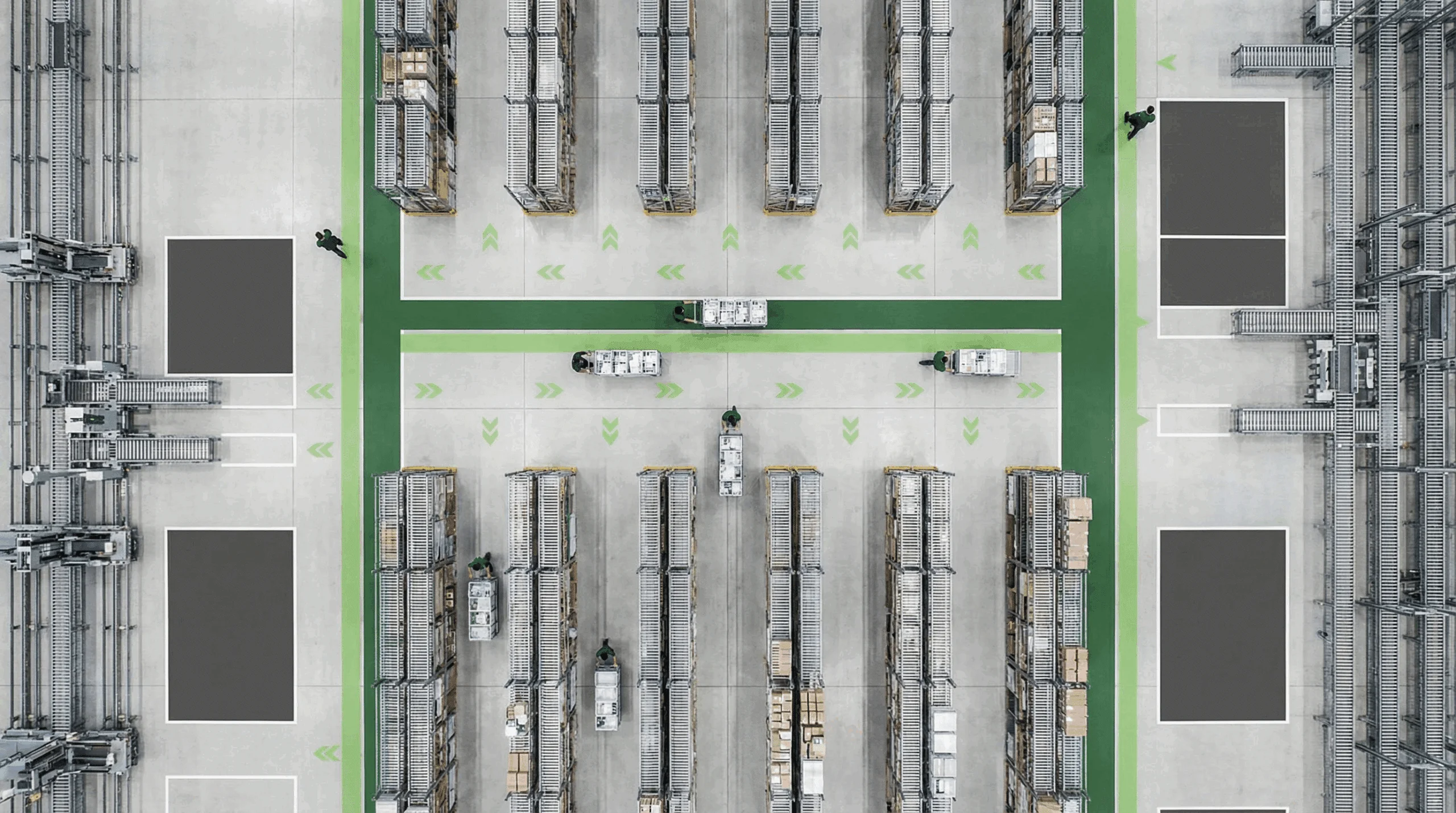
- Conveyors and sortation: move totes/cartons between zones, reduce walking, improve flow to packing.
- Pick-to-light and put-to-light: guide associates with visual cues; strong for high-volume, short lines.
- Autonomous mobile robots (AMRs): bring carts/totes or shelves to pickers; flexible for changing layouts.
- Goods-to-person AS/RS (shuttles, vertical lift modules): deliver inventory to stations; high density, high control.
- Robotic piece picking: robotic arms with vision and grippers; best for consistent items and defined use cases.
Benefits of automation (when the use case fits)
The main advantage is consistency: automation reduces variability in travel and task sequencing, which stabilizes throughput. It can also improve ergonomics by bringing goods to a workstation rather than sending people into aisles all day. In many facilities, automation is also a strategic response to labor scarcity.
- Higher throughput: less walking and fewer touches per order line.
- Improved accuracy: system-enforced confirmations and reduced manual handoffs.
- Better space utilization: denser storage and fewer wide travel aisles in some designs.
- More predictable staffing: shift labor from picking to exception handling and value-added work.
Real-world example: a mid-size e-commerce operation with 70% single-line orders often sees strong ROI from batch picking plus automated sortation, because the system eliminates repeated trips to packing and reduces mis-sorts. By contrast, a B2B distributor with long, variable orders may benefit more from AMR-assisted zone picking than from fully automated piece picking.
Challenges and Solutions in Implementing Automated Systems
Automation succeeds when it’s implemented as part of an end-to-end operating model, not as a standalone machine purchase. The most common issues show up at the boundaries: upstream replenishment, downstream packing, inventory accuracy, and systems integration.
Common challenges
- High initial cost and unclear ROI: benefits may be real but poorly measured without baseline data.
- Integration complexity: WMS/WES/WCS coordination, data mapping, and exception workflows.
- Process mismatch: automation designed for one order profile struggles when the mix shifts.
- Inventory accuracy gaps: automation amplifies bad data; errors propagate faster.
- Change management: new roles (technicians, station leads) and new performance expectations.
Practical solutions (what to do before and during rollout)
Start by tightening fundamentals in order picking in a warehouse: location control, scan compliance, replenishment discipline, and clear exception codes. Then phase automation into stable, high-volume flows where variability is lowest. This approach reduces risk and helps you prove ROI before scaling.
- Baseline performance: measure pick rate, accuracy, travel time, and rework by process path.
- Choose a pilot lane: start with a SKU family or order type that’s repeatable and high volume.
- Design for exceptions: define what happens when inventory is missing, damaged, or substituted.
- Plan replenishment: automation needs reliable upstream feeding; build triggers and alerts.
- Train by role: operators, supervisors, maintenance, and IT need different playbooks.
Where Argos helps: Argos WMS supports directed picking, real-time inventory, and configurable workflows that can bridge manual and automated operations. Many teams use Argos to standardize processes first, then integrate automated warehouse picking systems through staged deployment—keeping visibility and control consistent across zones, stations, and shifts.
Future Trends in Warehouse Picking: What to Expect
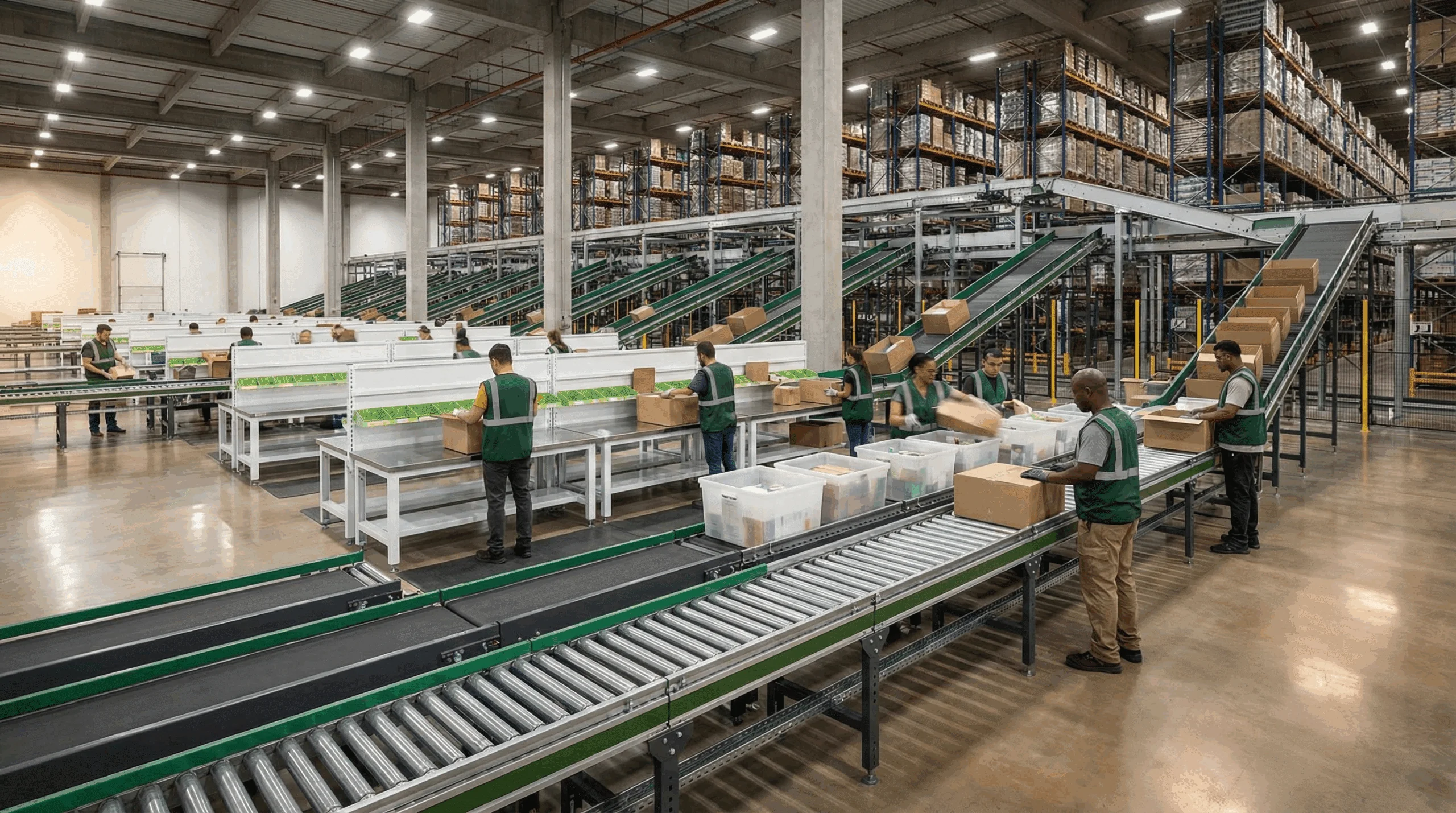
Warehouse picking is moving toward orchestration: software coordinating people, robots, and automation in real time based on constraints. As AI improves forecasting and slotting decisions, operations will increasingly adapt daily rather than relying on quarterly re-slot projects. The biggest winners will be those who can change quickly without breaking accuracy.
- WMS + WES convergence: tighter coordination between inventory decisions and execution sequencing.
- More flexible automation: AMRs and modular goods-to-person that scale without major construction.
- Computer vision for quality: automated checks for correct item, quantity, and pack integrity.
- Labor augmentation: task interleaving, coaching, and safer workflows via guided work.
Future-proofing doesn’t mean buying the most advanced robotics today. It means building clean data, standardized processes, and system integrations that let you add or swap technologies as your network evolves. If you can measure and control order picking in a warehouse now, you’ll be ready to adopt automated warehouse picking systems where they deliver the most value later.
Conclusion: Making the Right Choice for Your Warehouse
Traditional picking can be perfectly viable for simple operations, while digitized manual workflows often deliver the fastest improvement in accuracy and visibility. Automation can unlock major throughput and consistency gains, but only when the order profile, facility constraints, and integration plan support it. The right answer is usually a portfolio: optimize core manual flows, automate the repeatable high-volume lanes, and keep flexibility for change.
If you’re evaluating improvements to order picking in a warehouse, automated warehouse picking systems, Argos can help you map your current-state metrics, model options, and implement a phased roadmap that reduces risk. Explore Argos warehouse picking optimization solutions and contact our team for a consultation or demo to see how directed workflows, real-time inventory, and integration-ready processes can raise performance without disrupting service.
Frequently Asked Questions
What is the difference between manual and automated warehouse picking?
Manual picking relies on workers reading paper lists or basic screens to locate and retrieve items, while automated picking uses WMS-directed workflows, barcode scanning, and sometimes robotics to guide workers along optimized paths. Automated approaches reduce errors by verifying each pick at the point of retrieval and can improve productivity by 25-40% compared to paper-based methods.
Which picking method is best for my warehouse?
The best method depends on your order profile, SKU count, and daily volume. Single-order picking works well for low-volume, high-value orders. Batch picking suits operations with many orders sharing common SKUs. Zone picking is effective in larger facilities where travel time is a major factor. Most growing operations benefit from a hybrid approach managed by a WMS.
How does a WMS improve warehouse picking accuracy?
A WMS directs pickers to the exact location using scan verification at each step, eliminating guesswork. It validates that the correct item and quantity are picked before allowing the worker to move on. This scan-based verification typically brings picking accuracy above 99.5%, significantly reducing costly mispicks, returns, and customer complaints.
What is zone picking and when should it be used?
Zone picking assigns each worker to a specific area of the warehouse, and orders are passed from zone to zone until complete. It works best in facilities with more than 5,000 SKUs or where travel time accounts for more than 50% of picking labor. Zone picking reduces congestion, allows workers to become experts in their area, and scales well with volume growth.
How long does it take to implement automated picking systems?
Software-based automation like WMS-directed picking can be implemented in 8-16 weeks depending on complexity and integration requirements. Physical automation such as conveyors or goods-to-person systems typically takes 6-12 months from planning to go-live. Starting with software automation delivers quick wins while you plan for larger physical investments.
Essential Guide to Nursery Inventory Management Software
Discover the benefits of nursery inventory management software to streamline operations and boost productivity.
Essential Cannabis Warehouse Management Strategies
Discover effective cannabis warehouse management with key inventory strategies and software solutions. Optimize your operations today!
Third-Party Logistics Services: Your Complete Guide
Discover how 3PL services can transform your logistics strategy. Learn about warehouse and logistics services, top companies, and future trends.